

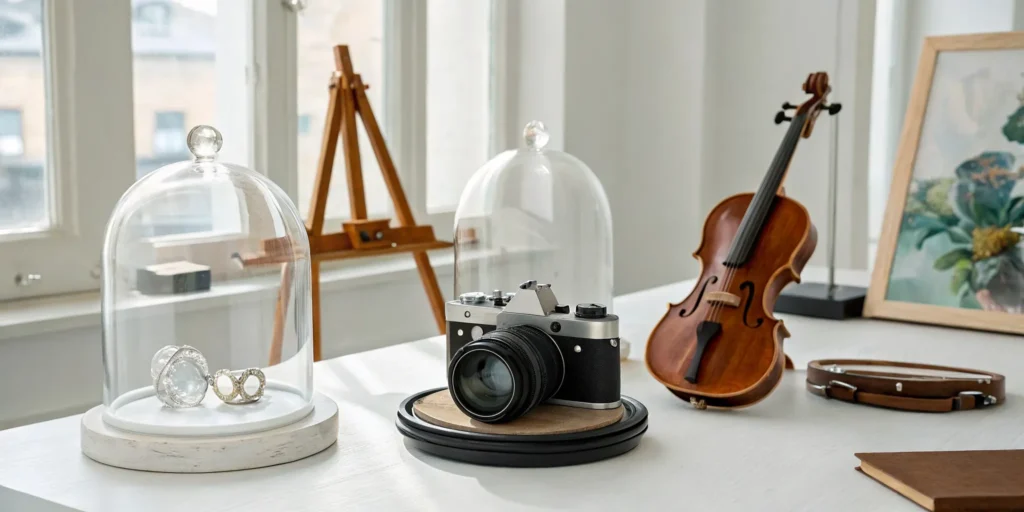
Think about the most meaningful things you own. It might be the engagement ring on your finger, a vintage guitar, or the antique watch passed down from your grandfather. These items are more than just possessions—they’re part of your story. You probably assume your home insurance has them covered, but standard policies often fall short. This gap can leave you with a major financial loss if something happens. This is where scheduled personal property coverage comes in. We’ll explain what it is and how it provides a dedicated safety net for your most valuable belongings.
Key Takeaways
- Your standard policy has coverage gaps: Homeowners insurance places low payout limits on valuables like jewelry and art, meaning you could be left underinsured after a loss.
- Insure valuable items for their full worth: By scheduling an item, you use a professional appraisal to cover it for its specific value, ensuring you receive a proper payout instead of a low, capped amount.
- Gain superior protection with fewer hassles: This coverage often includes benefits your standard policy lacks, such as protection against accidental loss, worldwide coverage, and a $0 deductible for claims.
What Is Scheduled Personal Property Coverage?
If you own anything you’d be heartbroken to lose, like an engagement ring, a special piece of art, or a vintage guitar, you might assume your homeowners insurance has you covered. While your standard policy does protect your personal belongings, it often has strict limits on high-value items. That’s where scheduled personal property coverage comes in.
Think of it as a special add-on to your existing home or renters insurance policy. It provides an extra layer of protection for specific, valuable possessions that you list, or “schedule,” individually. This type of coverage is designed for items that are worth more than the standard limits of your main policy. By scheduling an item, you insure it for its full appraised value, so you can have peace of mind knowing your most treasured belongings are properly protected against theft, loss, or damage.
Common Names for This Coverage
When you start looking into this type of protection, you might hear a few different terms that can be confusing. Scheduled personal property coverage is sometimes called a “rider,” an “endorsement,” or a “floater.” Some insurance companies also refer to it as Valuable Personal Property (VPP) coverage. Don’t let the jargon throw you off—they all mean the same thing. Think of it as an optional upgrade you can add to your existing policy to give special protection to your most valuable items. No matter what it’s called, the goal is to provide specific, dedicated coverage that goes beyond the standard limits of your homeowners or renters insurance.
Scheduled vs. Unscheduled Personal Property
So, what’s the real difference between “scheduled” and “unscheduled” property? Unscheduled personal property refers to all the general belongings covered by your standard homeowners policy—things like your clothes, furniture, and kitchenware. These items aren’t listed one by one and are protected up to a certain overall limit, with a deductible you have to pay. Scheduled personal property, on the other hand, is for your high-value items that you list individually. You’ll need to get an appraisal to determine an item’s exact worth, and that’s the amount it’s insured for. This approach provides the best protection, often with no deductible, ensuring your most precious belongings are fully covered for what they’re truly worth.
Isn’t This Covered by My Homeowners Policy?
The biggest difference between scheduled coverage and your standard policy comes down to how much you’d be paid after a loss. A typical homeowners policy might cap the payout for stolen jewelry at around $1,500. That’s a painful gap if your stolen wedding ring was worth $8,000. Instead of giving you a fixed, and often low, reimbursement, scheduled personal property coverage allows you to insure an item for its full value. This ensures that if something happens, you’ll receive a payout that truly reflects what the item was worth, not just what the policy limit happens to be.
What Your Standard Policy Doesn’t Cover
Many people don’t realize their standard policy has these built-in limits until it’s too late. These coverage gaps can leave you paying out-of-pocket to replace something you thought was fully protected. For example, some policies might only cover $1,000 for stolen electronics or fine art. Scheduling your valuables closes these gaps by creating specific protection for each item on your list. It offers higher limits and often broader protection than your standard policy, making sure your most important possessions have the security they need. If you own items that are worth more than a couple of thousand dollars, it’s a good idea to review your policy for these potential gaps in coverage.
Do You Really Need Extra Insurance for Your Valuables?
You probably feel pretty good about your homeowners or renters insurance. It’s there to protect your home and the things inside it, and that’s a huge relief. But what many people don’t realize is that standard policies have their limits, especially when it comes to your most treasured possessions. Think of scheduled personal property coverage as a spotlight that gives your valuables the special attention they deserve, filling in the gaps your main policy might leave behind.
Why Your Homeowners Policy Isn’t Enough
Your standard insurance policy is great for covering the basics, but it often places caps on how much it will pay for specific categories of high-value items. For example, a typical policy might only cover up to $1,500 for jewelry. If your engagement ring is worth $7,000 and it gets stolen, your policy would only pay out that $1,500 limit, leaving you to cover the remaining $5,500 yourself. These coverage limits apply to other categories too, like fine art, electronics, and collectibles. Scheduling an item ensures it’s insured for its full appraised value, so you’re not left with a major financial loss.
Cover More Risks, Pay No Deductible
Scheduled property coverage doesn’t just offer a higher payout; it also provides broader protection. Standard policies typically cover specific “named perils” like fire and theft, but what about accidental loss? If you lose a scheduled earring while you’re out running errands, this extra coverage can often help. This is a significant advantage, as standard policies usually don’t cover items you’ve simply misplaced. Even better, many scheduled property claims come with a $0 deductible. That means if you need to file a claim for a covered loss, you won’t have to pay anything out of pocket before your insurance coverage kicks in to repair or replace your item.
Understanding “Open Perils” Coverage
Your standard homeowners policy typically operates on a “named perils” basis. This means it only covers the specific risks listed in your policy documents—think fire, theft, and certain types of water damage. If the cause of the loss isn’t on that exclusive list, you’re likely out of luck. Scheduled property coverage flips this concept on its head by offering “open perils” protection. This broader approach covers your item against every type of risk, unless it’s specifically excluded in the policy. This means you’re protected from a much wider range of potential mishaps, including those you might never expect.
Your Valuables Are Covered, Wherever You Go
Your most valuable possessions often travel with you, whether it’s a laptop on a business trip or a wedding ring on vacation. A standard homeowners policy might offer limited protection for your belongings when they’re away from your home, but scheduled property coverage typically protects your items no matter where you are in the world. This worldwide protection gives you the freedom to wear your jewelry, use your camera, or travel with your expensive musical instrument without worrying. The coverage follows the item itself, not just your house, giving you true peace of mind wherever life takes you.
Benefit from Replacement Cost Value
One of the most significant advantages of scheduling your valuables is that you insure them for their full replacement cost. This means your coverage is based on a professional appraisal of what the item is worth today, not what you paid for it years ago. The value of items like fine art, antiques, and jewelry can appreciate over time, and a standard policy often won’t keep up. Instead, it might offer a payout based on “actual cash value,” which accounts for depreciation, or a low, fixed limit. By scheduling your items, you ensure your coverage reflects their true current value, protecting your investment properly.
Imagine your vintage watch, appraised at $5,000, is stolen. A standard homeowners policy might only reimburse you up to its $1,500 sub-limit for jewelry, leaving you with a $3,500 loss. With scheduled personal property coverage, you would receive a check for the full $5,000, allowing you to replace the watch without a major financial hit. This is about making sure your insurance payout truly reflects what your treasured item was worth. At Feld Insurance, we help you secure this level of protection so you can have confidence that your most meaningful possessions are covered for what they’re really worth.
What Kinds of Items Should You Schedule?
Your homeowners policy does a great job of protecting your home and the general contents inside, but it has its limits. When it comes to high-value possessions, a standard policy often provides only a small amount of coverage, which might not be enough to cover a full replacement. This is where scheduling an item comes in. It’s like giving your most prized possessions their own VIP protection plan, ensuring they’re covered for what they’re truly worth.
Think about the special items you own. Maybe it’s a family heirloom, a piece of art you saved up for, or the engagement ring on your finger. If any single item would be a major financial hit to replace, it’s a prime candidate for scheduled personal property coverage. This add-on to your home insurance policy allows you to insure specific items for their full appraised value, often with a zero deductible. This means if a scheduled item is lost, stolen, or damaged, you won’t have to pay anything out of pocket to get it replaced. Let’s look at some of the most common categories of items people choose to schedule for extra peace of mind.
Jewelry and Engagement Rings
An engagement ring or a treasured watch is more than just an accessory; it’s a symbol of a special moment. Unfortunately, a standard homeowners policy typically places a low cap on what it will pay for lost or stolen jewelry, often around $1,500. If your engagement ring is worth more than that, you could be left with a significant gap between what your insurance pays and the actual cost of a replacement.
By scheduling your jewelry, you insure it for its full, professionally appraised value. This specialized coverage often goes a step further, protecting you against more perils like “mysterious disappearance.” So, if your ring slips off your finger while you’re out and about, you’re likely covered, which isn’t always the case with a standard policy.
Fine Art, Antiques, and Collectibles
If you’ve curated a collection of fine art, own a piece of antique furniture passed down through generations, or have a valuable set of collectibles, you know their worth goes beyond a simple price tag. These items are often unique and can appreciate over time. A standard insurance policy might not recognize this unique value, lumping them in with general household contents.
Scheduling these items ensures their true market value is documented and protected. To do this, you’ll need a professional appraisal, which serves as an agreed-upon value in your policy. This way, if a painting is damaged by a leak or a collectible is stolen, your coverage is based on its specific, recognized worth, not a generic limit.
Musical Instruments and High-End Electronics
For musicians, a vintage guitar or a grand piano is an extension of their craft. For photographers or tech lovers, a professional camera or a custom-built computer is essential. These items are not only valuable but are also often portable, which exposes them to greater risk. A standard policy might offer limited coverage, especially if the item is damaged outside of your home.
Scheduling your high-end electronics or musical instruments provides broader protection that follows the item wherever you take it, whether it’s to a gig, on a trip, or to a photo shoot. Each piece is listed with its specific value, so you can be confident you have the right amount of coverage to repair or replace it without hassle.
Other Commonly Scheduled Items
Firearms, Furs, and Silverware
Beyond the usual suspects, there are other categories of valuables that often need extra attention. Items like firearms, furs, and silverware can carry significant monetary and sentimental value, but they are frequently subject to the same low coverage limits as jewelry on a standard policy. Scheduled personal property coverage allows you to insure these specific items for their full appraised value, often with a zero deductible. This means if a scheduled firearm is stolen or a piece of antique silverware is damaged, you won’t have to pay anything out of pocket to have it replaced. It’s a straightforward way to ensure your unique valuables are fully protected.
Stamps, Coins, and Other Collections
If you’ve curated a collection of stamps, coins, or other unique collectibles, you know their worth goes far beyond a simple price tag. These items are often irreplaceable and can appreciate in value over time. Many people don’t realize their standard policy has built-in limits for these collections until it’s too late. These coverage gaps can leave you paying out-of-pocket to replace something you thought was fully protected. Scheduling your collection closes these gaps by creating specific protection for each item on your list. By getting a professional appraisal, you can document their true market value and ensure your policy reflects their agreed-upon worth, giving you confidence that your passion is properly insured.
Family Heirlooms and Sentimental Items
Some of your most cherished possessions may not have a mainstream market value but are priceless to you. Think of your grandmother’s wedding gown, a collection of rare family photos, or a silver set that’s been in your family for a century. While no amount of money can replace their sentimental worth, insuring them can provide the funds to have them professionally restored if damaged.
Getting an appraisal for these items establishes a monetary value that your insurance policy can recognize. Scheduling them ensures that if something were to happen, you have the financial support to repair the item or ease the financial burden. It’s a practical way to protect the legacy of items that connect you to your family’s history.
What Not to Schedule
While scheduling your valuables is a smart move, it’s not necessary for everything you own. The extra cost of this coverage makes the most sense for items that are both high in value and hard to replace. Everyday belongings like your clothes, furniture, and standard electronics are generally well-protected under your main homeowners policy. Since these items don’t typically exceed your policy’s standard limits, scheduling them would be an unnecessary expense. Similarly, items that hold more sentimental than monetary value might not be the best candidates. While your grandmother’s quilt is irreplaceable to you, scheduling it might not be cost-effective if its financial value is low. The key is to evaluate whether the cost of the additional premium is justified by the item’s replacement cost.
How to Schedule Your Personal Property
Getting your most treasured items the extra protection they deserve is easier than you might think. The process is all about documenting what you have and what it’s worth so you can be sure it’s properly covered. It breaks down into three simple steps: getting professional appraisals, creating a detailed inventory, and working with your agent to finalize everything. Let’s walk through each one.
Step 1: Get a Professional Appraisal
For high-value items, your insurance company needs proof of their worth, and that’s where a professional appraisal comes in. An appraisal is a formal document from a certified expert that details an item’s characteristics and assigns it a monetary value. A receipt is helpful, but it might not reflect an item’s current value, especially for things like antiques or jewelry that can appreciate over time. You’ll want to find a qualified appraiser who specializes in your type of item. The American Society of Appraisers is a great resource for finding a certified professional near you.
Step 2: Create a Detailed Inventory
Next, make a list of all the valuables you’re considering scheduling. This home inventory is your personal record of what you own and what it’s worth. For each item, include a detailed description, any serial numbers, clear photos, and a copy of its receipt or appraisal. You can use a simple spreadsheet or a home inventory app to keep everything organized. Once your list is complete, compare the total value of your items to the personal property limits on your standard home insurance policy. This will help you clearly see which items need to be scheduled.
Ask About Temporary Coverage
Your most valuable items rarely stay locked away at home. If you’re planning a move, traveling for an extended period, or even putting things in storage, it’s important to understand how your coverage follows them. While scheduled property often includes worldwide protection, there can be specific rules for items in transit or stored off-site. Before you pack up, have a conversation with your agent to make sure there are no unexpected gaps in your policy. It’s essential to check the details of your coverage for these temporary situations. A quick call can give you the confidence that your treasured belongings are protected, no matter where they happen to be.
Step 3: Finalize Your List With Your Agent
This final step is where everything comes together. With your appraisals and inventory ready, it’s time to talk with your insurance agent. We’re here to help you review your list and determine which items need the extra protection of scheduled coverage. We’ll go over your documentation, explain how the coverage works, and answer any questions you have. Your agent will also confirm any specific policy requirements. Together, we’ll add the endorsement to your policy, giving you peace of mind that your valuables are fully protected. Ready to get started? Contact our team today to review your options.
A Note on Covering a Partner’s Items
When you live with your partner, it’s natural to wonder how your insurance covers their valuables, too—like an engagement ring or a special family heirloom. Thankfully, the process is pretty straightforward. To make sure their items are protected under your policy, your partner typically needs to be listed as an additional insured. This simple step officially extends your coverage to their specific items, because without it, their most valuable belongings might not be protected if something happens. Scheduling these items ensures they’re covered for their full appraised worth, closing the gap left by the low limits on a standard policy. It’s a simple way to give both of you confidence that the things you cherish together are properly protected.
What’s the Cost of Scheduled Property Coverage?
When you hear about extra insurance, it’s natural to think about the cost. The good news is that securing dedicated protection for your most prized possessions is often more affordable than you might expect. While every policy is different, a general rule of thumb is that you can expect to pay around $100 per year for every $10,000 in coverage you add. Adding this endorsement will increase your total premium, but it gives you a level of security that your standard policy simply can’t match. The final price tag depends on what you’re insuring, its appraised value, and where you live. The best way to get a clear picture is to talk with your agent. At Feld Insurance, we can help you find the right balance of comprehensive coverage and value.
What Factors Affect the Price?
The cost of scheduling your personal property isn’t one-size-fits-all. Insurance companies look at a few key factors to determine your premium. The most significant is the appraised value of the item itself; a rare diamond ring will cost more to insure than a vintage camera. The type of item also matters, as some things, like jewelry, are more susceptible to theft. Your location can play a role, too, as rates may vary based on regional risks. Finally, how you store your valuables, such as in a home safe, can sometimes influence the cost.
What Isn’t Covered by Your Policy?
One of the biggest advantages of scheduled property coverage is that it offers much broader protection than a standard policy. It typically operates on an “all-risk” basis, which means the item is covered for almost any type of loss or damage unless a peril is specifically excluded. Common exclusions include gradual wear and tear, damage from pests, or intentional acts. This is a major step up from a standard homeowners policy, which often limits payouts for valuables like jewelry to around $1,500 and only covers a list of named perils.
Exclusion for Business or Professional Use
It’s important to remember that scheduled personal property coverage is designed for your personal belongings, not items you use to run a business. For example, if you’re a professional photographer, the camera you use for paid shoots wouldn’t be eligible. The same goes for a guitar you play in a band that gets paid for gigs. These items are considered business equipment and require a different type of protection. If you use high-value items for work, you’ll need a separate business insurance policy to make sure they’re properly covered against professional risks.
Commonly Ineligible Items
While many valuables are perfect candidates for scheduling, some items might not be the right fit. This is often the case for things that hold immense sentimental value but don’t have a high monetary worth. For instance, your grandfather’s old watch might be priceless to you, but if its market value is only a few hundred dollars, the cost of the annual premium and a formal appraisal might not make financial sense. These items are still protected under your standard homeowners policy up to your coverage limits, so you don’t need to leave them uninsured. Scheduling is best reserved for items where a loss would be a significant financial setback.
Other Standard Exclusions
Even with its broad protection, scheduled property coverage has a few standard exclusions. This type of policy generally won’t cover damage that happens over time, like gradual wear and tear from normal use. It also typically excludes damage caused by pests, such as moths damaging a fur coat, or any intentional acts of destruction. However, it’s important to keep these exclusions in perspective. The coverage you gain is still a major upgrade from a standard policy, protecting you from a much wider range of risks, including accidental loss and mysterious disappearance, which are often not covered otherwise.
Is It More Cost-Effective Than Raising Your Limits?
You might wonder if you could just raise the overall personal property limits on your homeowners policy instead. While that is an option, it’s usually not the most efficient or affordable solution for high-value items. Scheduling specific items is often cheaper than increasing the coverage for all your belongings. Raising your overall limit means you’re paying more to cover everything from your sofa to your socks, which likely don’t need the extra protection. Scheduling allows you to apply targeted, cost-effective coverage precisely where you need it most.
Alternatives to Scheduling Individual Items
Listing every single valuable you own can feel like a big task, especially if you have a growing collection of jewelry, cameras, or art. While scheduling is the perfect solution for those standout, high-value pieces that need individual attention, it’s not the only way to get better protection for your belongings. Sometimes, you need a more practical approach for a group of items that are valuable as a whole but don’t each require a separate line on your policy. If you have a category of similar items, there’s another option that offers a simpler way to secure coverage without the hassle of appraising every single piece.
Blanket Coverage
Instead of insuring each item one by one, you can use blanket coverage to protect an entire category of valuables under a single, total limit. For example, if you have a jewelry collection worth $15,000, you could apply one blanket limit to cover all of it. This approach is often simpler because you don’t need to get a separate appraisal for every single piece. However, it’s important to know that blanket coverage usually comes with a per-item payout limit. So, while your whole collection is covered up to $15,000, the policy might only pay out a maximum of $2,500 for any single item that’s lost or stolen. It’s a great solution for collections where the items are similar in value, but scheduling is still the best choice for protecting a particularly expensive piece, like an engagement ring.
3 Common Myths About Insuring Valuables
When it comes to protecting your most prized possessions, a few common misunderstandings can leave you with serious coverage gaps. It’s easy to assume your standard policy has you covered, but the reality is often more complicated. Let’s clear up some of the biggest myths about insuring valuables so you can feel confident that your favorite items are truly protected.
Myth 1: “My Homeowners Policy Covers Everything”
This is one of the most common and costly assumptions. While your standard homeowners insurance is essential for protecting your house and general belongings, it places limits on high-value categories. For items like jewelry, fine art, antiques, or musical instruments, a basic policy typically has a maximum payout that might be far less than the item’s actual worth. If your engagement ring is stolen, your policy might only cover a fraction of its replacement cost. Think of scheduled personal property coverage as a necessary upgrade for your most treasured items.
Myth 2: “It’s Only for Million-Dollar Items”
You don’t need to own a Picasso to benefit from extra coverage. This type of insurance is for anyone who owns items that would be expensive or difficult to replace. Consider the value of your engagement ring, a special watch, a high-end camera, or a collection you’ve spent years building. If replacing one of these items out-of-pocket would cause financial stress, it’s worth scheduling. The key is whether an item’s value exceeds the limits of your standard coverage, not whether it belongs in a museum.
Myth 3: “Filing a Claim Is Easy Without It”
Filing a claim under a standard policy can be tricky, especially since it wasn’t designed to fully protect expensive individual items. Standard policies often have specific limitations and may not cover situations like accidental loss (for example, losing a diamond from its setting). Scheduled personal property coverage often fills this gap by providing broader protection, sometimes even against accidental damage or mysterious disappearance. This specialized coverage simplifies the claims process and ensures you’re protected against a wider range of potential mishaps, giving you true peace of mind.
Is Scheduled Personal Property Coverage Worth It for You?
Deciding on the right insurance can feel complicated, but figuring out if you need extra protection for your valuables is pretty straightforward. Scheduled personal property coverage is an add-on to your existing home or renters policy that provides more comprehensive protection for specific, high-value items. Think of it as a safety net for the things your standard policy might not fully cover. If you own items like an engagement ring, a special art piece, or a vintage guitar, it’s worth taking a closer look at your coverage to see if this makes sense for you.
A Quick Checklist to Help You Decide
The best way to start is by looking at your current homeowners insurance policy. Most standard policies have coverage limits for certain categories of items. For example, your policy might only pay up to $1,500 for all of your jewelry combined if it’s stolen. If your engagement ring alone is worth $5,000, you’d have a significant gap in coverage. Take a quick inventory of your valuables. If the value of any single item or collection (like fine art or antiques) exceeds your policy’s sub-limits, you should seriously consider scheduling it. This ensures you can be reimbursed for its full appraised value, not just a fraction of it.
Don’t Forget to Update Your Appraisals
Once you decide to schedule an item, you’ll need to provide proof of its value. Your insurance company will typically ask for a recent receipt or a professional appraisal. For items like jewelry, art, and antiques that can change in value, it’s a good idea to get them reappraised every few years. Most insurers prefer an appraisal that is less than three years old. Keeping your documentation updated ensures your coverage accurately reflects the item’s current worth. This simple step makes the claims process much smoother and guarantees you have the right amount of protection when you need it most.
Make Policy Reviews a Yearly Habit
Life changes, and your insurance coverage should change with it. Maybe you inherited a family heirloom, invested in a piece of art, or bought your dream watch. It’s easy to forget to update your policy after acquiring new valuables. That’s why regular policy reviews are so important. A quick annual chat with your agent can help you identify any new gaps in your coverage. This is your chance to add new items to your scheduled list and ensure your most treasured possessions are protected. Taking a few minutes to review your policy gives you confidence that everything you care about is properly insured.
Related Articles
Frequently Asked Questions
How is this different from just increasing my overall home insurance coverage? Raising your total personal property limit is an option, but it’s often not the most efficient way to protect specific valuables. When you increase your overall limit, you pay more to cover everything you own, from your furniture to your clothes. Scheduling an item is more targeted. It allows you to apply precise, cost-effective coverage right where you need it most, often with a lower deductible and broader protection than your main policy provides.
Do I really need a professional appraisal for my items? Yes, for most high-value items, an appraisal is a key part of the process. While a receipt shows what you paid, an appraisal from a certified expert confirms an item’s current market value. This is especially important for things like jewelry, antiques, and art that can appreciate over time. The appraisal creates an agreed-upon value, which simplifies the claims process and ensures you’re insured for what the item is truly worth today.
What happens if I simply lose a scheduled item, like an earring? This is one of the biggest benefits of scheduled property coverage. Standard homeowners policies typically don’t cover things you’ve accidentally lost or misplaced. Scheduled coverage, however, often protects against “mysterious disappearance.” So, if a scheduled earring slips off while you’re out or you leave a valuable camera behind, you are likely covered.
How often should I update the values of my scheduled items? It’s a great practice to have your scheduled items reappraised every few years, especially things like jewelry or collectibles whose values can fluctuate. Most insurance companies prefer appraisals that are less than three years old. Keeping your values current ensures your coverage keeps pace with your item’s worth, so you won’t be underinsured if you need to file a claim.
Is this coverage only for extremely expensive things like fine art? Not at all. While it’s perfect for fine art, this coverage is for any item whose value is higher than the limits on your standard policy. Think about an engagement ring, a quality musical instrument, a high-end camera, or a family heirloom. If replacing a specific item would create a financial strain, it’s worth looking into scheduling it for proper protection.