

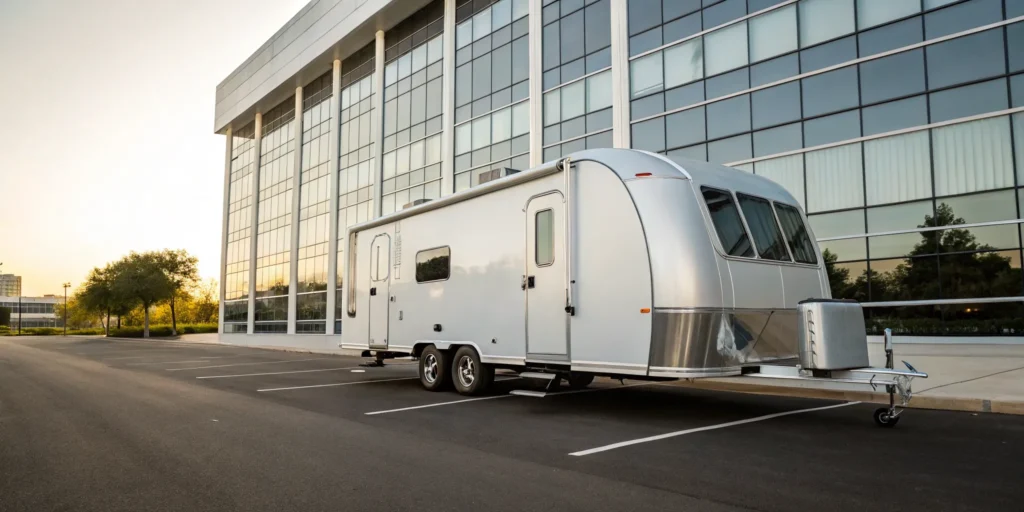
One of the biggest mistakes new travel trailer owners make is assuming their existing insurance has them covered. While your auto policy offers some protection while you’re towing, it does little for your trailer once it’s unhitched at a campsite. What happens if a fire starts or someone gets injured near your setup? That’s where a dedicated policy becomes essential. This isn’t just another expense; it’s a specific type of protection designed for the realities of the RV lifestyle. Understanding the difference is key to avoiding a costly surprise. We’ll break down exactly what rv insurance travel trailer policies cover and why they are a non-negotiable for any owner.
Key Takeaways
- Get a dedicated trailer policy: Your standard auto and home insurance policies offer very little protection for your travel trailer. A specific policy is the only way to properly cover your investment against damage, theft, and liability issues that can happen on the road or at a campsite.
- Build coverage that fits your travel style: The best insurance is a personalized safety net, not a one-size-fits-all plan. Select options like vacation liability and personal effects coverage if you’re a weekend traveler, or choose a full-timer’s package if the road is your permanent home.
- Take control of your insurance costs: You can actively lower your premium by bundling policies, keeping a clean driving record, and asking about discounts for secure storage. When comparing quotes, look beyond the price to review coverage limits and the provider’s reputation.
What Is Travel Trailer Insurance?
If you’re getting ready to hit the open road in your new travel trailer, you’ve probably thought about everything from your first destination to how you’ll decorate the interior. But have you considered how you’ll protect it? Travel trailer insurance is a specific type of policy designed to cover your home-on-wheels from the unique risks it faces. It’s different from your standard auto or home insurance, offering a blend of protection that covers your trailer whether it’s parked at a campsite or being towed down the highway. Think of it as a safety net for your adventures, ensuring a mishap doesn’t derail your travel plans or your finances.
Is it different from auto insurance?
Yes, it’s definitely different. While your car insurance protects your tow vehicle, it typically doesn’t extend much coverage to the trailer itself. Your regular auto policy usually won’t cover damage to your travel trailer, the personal items you have inside, or liability issues that arise when your trailer is unhitched and parked. For example, if a fire starts in your trailer at a campground or someone slips and falls near your setup, your auto insurance won’t help. A dedicated travel trailer policy is built to handle these specific scenarios, protecting your investment and giving you peace of mind.
Does your current home or auto policy cover it?
This is a common point of confusion, but the short answer is no, not really. Your homeowner’s policy generally doesn’t cover your travel trailer, especially once it leaves your property. While your auto insurance might provide some liability protection while you’re actively towing the trailer, it won’t pay for repairs to the trailer itself if you’re in an at-fault accident. To fill these critical gaps, you will need a separate policy or a specific add-on. The best way to ensure you’re fully protected is with one of our comprehensive insurance solutions tailored to your RV lifestyle.
Is it legally required?
In many states, including Illinois, some level of insurance is legally required for a travel trailer. Most states mandate that you carry at least liability coverage, which pays for damages you might cause to others. If you financed your travel trailer, your lender will almost certainly require you to carry both comprehensive and collision coverage to protect their investment. Beyond the legal requirements, having the right insurance is simply a smart move. It protects your trailer, your belongings, and your financial well-being from the unexpected. To find out exactly what you need, it’s always best to contact us for guidance.
Your Guide to Travel Trailer Coverage Options
Choosing the right insurance for your travel trailer is about more than just checking a box. It’s about building a policy that matches how you travel, what you bring with you, and your plans for the road ahead. Think of it like packing for a trip; you need the right gear for your specific destination. Let’s walk through the different coverage options you can choose from to create a policy that gives you complete confidence on your adventures.
Liability coverage
Liability coverage helps pay for injuries or property damage you cause to others in an accident. When you’re towing your travel trailer, your auto insurance policy’s liability coverage typically extends to the trailer. However, this protection usually only applies when your trailer is attached to your vehicle and you’re on the move. It’s important to confirm the specifics with your insurance provider, as policies can vary. This coverage is a foundational piece of your financial safety net, protecting you from costly claims if you’re found at fault.
Comprehensive and collision coverage
While liability covers damage you cause to others, what about damage to your own trailer? That’s where comprehensive and collision coverage come in. Collision coverage helps pay for repairs to your trailer if it’s damaged in an accident with another vehicle or object. Comprehensive coverage handles damage from non-collision events, like theft, vandalism, fire, falling objects, or severe weather. If you’ve financed your trailer, your lender will likely require you to carry both. Even if you own it outright, these coverages are essential for protecting your investment.
Personal effects coverage
Your travel trailer is more than just a vehicle; it’s your home on wheels, filled with your personal belongings. Personal effects coverage helps you replace items inside your trailer, like clothing, electronics, kitchen supplies, and camping gear, if they are damaged or stolen. While your home insurance might offer some protection for belongings away from home, it often has limits. A dedicated RV insurance policy with personal effects coverage ensures your gear is properly protected, so you don’t have to worry about the cost of replacing everything after an unexpected event.
Vacation liability coverage
Once you’ve unhitched your trailer and set up camp, your auto liability coverage no longer applies. This is where vacation liability steps in. This important coverage protects you if someone is injured at your campsite or if you cause damage to someone else’s property while your trailer is parked and being used as a temporary residence. For example, if a guest trips on your awning’s tie-down rope and gets hurt, vacation liability can help cover their medical expenses. It provides peace of mind, letting you relax and enjoy your vacation spot.
Emergency expense coverage
A breakdown or accident far from home can quickly turn a dream vacation into a stressful ordeal. Emergency expense coverage is designed to help in these situations. If your trailer is damaged in a covered incident and becomes uninhabitable, this coverage can reimburse you for temporary lodging, transportation, and meals. It’s a safety net that ensures a covered event doesn’t leave you stranded. Having this protection means you can handle the unexpected without derailing your budget, allowing you to focus on getting back on the road.
Total loss replacement vs. actual cash value
If your travel trailer is declared a total loss after an accident or theft, your policy will pay out based on one of two valuation methods. Actual Cash Value (ACV) reimburses you for the market value of your trailer at the time of the loss, which includes depreciation. In contrast, Total Loss Replacement coverage, typically available for newer models, will pay to replace your trailer with a brand new, similar one. Understanding the difference is key to ensuring you can get back to your adventures without a major financial setback.
Full-timer’s coverage
If your travel trailer is your primary residence, you need more than a standard RV policy. Full-timer’s coverage is a specialized package that functions like a hybrid of RV and homeowners insurance. It includes broader personal liability protection, similar to what you’d find on a home policy, which covers you even when you’re away from your RV. It also offers higher limits for personal belongings. If you live in your RV year-round, you’ll want to talk to an agent to make sure you have this essential protection.
What Factors Affect Your Travel Trailer Insurance Rate?
When you start looking for travel trailer insurance, you’ll quickly see that the final price isn’t a one-size-fits-all number. Insurance companies look at several factors to determine your specific rate, which is actually good news. It means you have some influence over the final cost. Understanding these factors helps you see the full picture and find opportunities to get the best possible coverage for your budget.
From the type of trailer you own to your driving history, each piece of information helps an insurer understand the level of risk involved. Think of it as building a complete profile of you and your RV. A safer profile often leads to a lower premium. This personalized approach ensures you’re not paying for risks you don’t have. Instead of a generic policy, you get coverage that reflects your unique situation. It’s all about matching the right protection to your lifestyle on the road. Let’s break down the key elements that shape your insurance rate, so you know exactly what to expect when you request a custom insurance quote.
Your trailer’s type and value
The kind of travel trailer you own is one of the biggest factors in your insurance cost. Generally, motorized RVs like Class A or Class C motorhomes are more expensive to insure than towable RVs like fifth wheels and travel trailers. This is because motorhomes have their own engine and drivetrain, making them more complex and costly to repair or replace. Beyond the type, the actual cash value of your trailer plays a huge role. A brand-new, high-end trailer will cost more to insure than an older, more modest model. Think of it this way: the more valuable the trailer, the more it would cost the insurance company to replace it after a total loss.
How often you use your trailer
How you plan to use your travel trailer also affects your premium. Are you a weekend warrior who takes a few trips a year, or are you planning on making the RV your permanent residence? Insurers see these two scenarios very differently. Occasional, recreational use typically results in a lower rate because the trailer spends less time on the road, reducing the chances of an accident or other claim. On the other hand, full-time living in your RV usually costs more to insure. When your trailer is your primary home, it’s exposed to risks 24/7, from weather damage to theft, which increases the likelihood of a claim.
Where you store and travel
Believe it or not, where your travel trailer rests when it’s not on the road matters. If you store your RV in a secure, enclosed garage or a gated storage facility, you could see a discount on your premium. This is because a secure location significantly lowers the risk of theft, vandalism, and exposure to harsh weather. Your primary travel destinations can also come into play. While you’re free to roam, your home base in Illinois and the areas you frequent help the insurance company assess risks associated with local weather patterns, traffic density, and crime rates.
Your driving and claims history
Just like with your regular auto insurance, your personal driving record is a key factor. A clean driving history with no at-fault accidents or moving violations signals to the insurer that you are a responsible and safe driver. This often translates into a lower premium. Conversely, a history of accidents or frequent claims can raise your rate, as it suggests a higher likelihood of future claims. It’s not just about your driving, either. A history of filing multiple insurance claims for past RVs or vehicles can also lead to higher costs. A clean record is one of your best assets when it comes to getting affordable insurance.
How Much Does Travel Trailer Insurance Cost?
Figuring out the cost of travel trailer insurance can feel a bit like planning a road trip without a map. The final price isn’t a single number; it’s a range that depends entirely on your unique situation. The biggest factor? How you plan to use your trailer. Whether you’re a weekend warrior hitting the state parks or a full-timer exploring the country, your insurance needs, and therefore your costs, will look very different. Let’s break down what you can expect to pay and what goes into calculating that final number.
Average cost for part-time travelers
If you use your travel trailer for weekend getaways or seasonal vacations, you fall into the part-time traveler category. For most occasional users, insurance costs typically land somewhere between $300 and $800 per year. This price point generally covers you for the risks associated with sporadic trips. Since your trailer likely spends a good amount of time safely in storage, insurers see this as lower risk, which helps keep your premium down. This coverage ensures you’re protected during your adventures without paying for year-round, heavy-use protection you don’t need.
Average cost for full-time living
For those who have embraced the open road and call their travel trailer home, insurance looks a little different. If you’re living in your trailer full-time, you can expect your annual premium to be between $1,500 and $4,000. The higher cost reflects the fact that your trailer is now your primary residence. Think of it less like vehicle insurance and more like a specialized form of home insurance. This full-timer’s policy provides the extensive liability and personal property coverage you need when your home is on wheels, giving you security no matter where you park it.
What determines your final quote
Your insurance quote is a personalized puzzle, and several pieces come together to form the final picture. Insurers look at a few key factors to determine your rate. Your driving record is a big one, as a history of safe driving can lead to lower costs. Other elements include where you store your trailer, its age and value, and how often you use it. The specific coverage options you select and the deductible amount you choose also play a major role. Understanding these factors helps you see what’s influencing your price, and our team can walk you through them to find the right fit.
How Can You Lower Your Premium?
Everyone loves finding ways to save a little money, and your travel trailer insurance is no exception. The great news is that you have a lot of control over your premium. With a few smart strategies, you can secure the coverage you need without overpaying. These simple, actionable steps can help you reduce your rate and put more money back into your travel fund.
Bundle your policies
One of the easiest ways to save is by bundling your RV insurance with your other policies. If you already have home, condo, or auto insurance, adding your travel trailer to the mix can lead to a multi-policy discount. For example, some carriers note that “You can save an average of 5% on your auto insurance if you bundle it with other policies.” This approach not only simplifies your life by having your insurance solutions under one roof but also provides real financial benefits. Talk to your agent about combining your policies to see how much you could save.
Maintain a safe driving record
Insurance is all about risk, so a safe driving history is one of your best assets for getting a lower rate. As one expert notes, “Your driving history (past accidents or tickets) can affect your insurance cost. A clean record helps; accidents or many claims raise prices.” Insurers see responsible drivers as a lower risk, and they reward them with better premiums. While you can’t erase past mistakes, focusing on safe driving from this point forward is a powerful long-term strategy for keeping your insurance costs down. It’s a win-win: you stay safe on the road, and you save money.
Join an RV club or organization
Did you know your passion for RVing could lead to insurance discounts? Many insurance providers offer savings to members of recognized RV clubs and organizations. For instance, you can “Join RV clubs (like Good Sam) to potentially receive discounts on your insurance.” Insurers often view members of these groups as more dedicated and knowledgeable owners who are more likely to take good care of their vehicles. It shows you’re invested in the RV lifestyle. Check with your agent to see which club memberships qualify for a discount on your policy.
Use off-season storage discounts
If you’re like many travel trailer owners in Illinois, you probably don’t use your RV year-round. So why pay for full coverage when it’s parked for the winter? A storage-only option is a fantastic way to save. This allows you to “pause your coverage when you’re not using your RV, which can save you a lot of money (up to 50% or more).” You’ll maintain comprehensive coverage to protect against theft, fire, or storm damage, but you can suspend the more expensive collision and liability portions. Just remember to contact us to reinstate your full policy before you hit the road again.
Travel Trailer Insurance Myths, Busted
When it comes to insuring your travel trailer, there’s a lot of conflicting information out there. It’s easy to make assumptions that can leave you without the protection you need when you actually need it. Let’s clear up a few of the most common myths so you can hit the road with confidence, knowing you’re properly covered. Getting the right policy is all about understanding your specific needs, and that starts with separating fact from fiction.
“My existing policies have me covered.”
This is one of the most common and costly misconceptions. While it seems logical that your auto or home insurance would extend to your trailer, that’s rarely the case. Your auto insurance policy typically only covers liability for accidents that happen while you’re actively towing the trailer. It generally won’t pay for damage to the trailer itself, your personal belongings inside, or issues that occur when it’s parked. Likewise, your homeowners policy isn’t designed to cover a vehicle, especially one that travels. A dedicated travel trailer policy is essential to protect your investment.
“I only need basic liability.”
While liability coverage is a legal requirement in most places, it’s just the starting point. Basic liability only covers damages or injuries you cause to others; it does absolutely nothing to protect your own travel trailer. If your trailer is stolen, damaged in a storm, or involved in an accident, liability-only coverage won’t help you repair or replace it. To protect against theft, damage, and other mishaps, you need comprehensive and collision coverage. Think of it as protecting the asset you worked so hard to buy.
“I don’t use it enough to need insurance.”
You might think that if your travel trailer spends most of the year in storage, you can skip the insurance. However, risk doesn’t disappear just because your trailer is parked. Theft, vandalism, fire, and storm damage can happen anytime, anywhere. Even if you only take it out for a few weekends a year, an accident can happen on any one of those trips. A specialized policy ensures your trailer is protected 24/7, whether it’s on the road or waiting for your next adventure. You can even ask about storage-only options to lower your premium during the off-season.
“All RV insurance is the same.”
Not at all! Travel trailer insurance is a unique product that blends elements of both auto and home insurance, and it can be highly customized. The right policy for a weekend warrior with a small pop-up camper will look very different from what a full-timer living in a fifth-wheel needs. Factors like your trailer’s value, how you use it, and where you travel all influence your coverage. This is why working with an agent who understands the nuances is so important. They can help you build a policy that provides the trusted guidance and protection you actually need.
How to Compare Travel Trailer Insurance Policies
Choosing the right travel trailer insurance is about finding the perfect balance of coverage, cost, and support. When you start comparing policies, look beyond the monthly premium. A cheap policy might have gaps that could cost you dearly down the road. Think of it as finding a reliable travel partner. You want someone who has your back when things get tricky. Taking the time to compare the details ensures your investment is protected and you can travel with confidence.
Review coverage limits and deductibles
First, let’s talk about the nuts and bolts: coverage limits and deductibles. The limit is the maximum amount an insurer will pay for a claim, while the deductible is what you pay out of pocket. To protect your own trailer, you’ll need specific RV insurance coverages like collision and comprehensive. Comprehensive is key, as it covers damage from events like fire, theft, or storms. The cost to insure your camper can vary widely based on your driving record, where you store it, and even your credit score. This is why it’s so important to get quotes that reflect your personal situation, allowing for a true side-by-side comparison of what you’re getting for your money.
Look for roadside assistance and other perks
A flat tire or engine trouble can bring your trip to a sudden halt. That’s why it’s smart to look for policies that include extra perks, especially roadside assistance. Many insurers offer this as a key feature of their RV insurance. Having access to services for towing and breakdowns can be a lifesaver, turning a potential vacation-ruining disaster into a manageable inconvenience. When you’re comparing plans, don’t just see roadside assistance as a bonus. Consider it an essential part of a policy designed for people who are actually on the move. It provides peace of mind, knowing that help is just a phone call away, no matter where your travels take you.
Understand the claims process and customer service
A great policy is only as good as the company behind it, especially when you need to file a claim. Before you commit, get a feel for the insurer’s claims process and their reputation for customer service. Always read your policy carefully to understand exactly what is covered. You don’t want any surprises when you need support the most. Look into how providers are rated for customer satisfaction. A company with high ratings is more likely to offer a smooth and fair claims experience. Working with a trusted agent can also make a world of difference, giving you a direct point of contact who can guide you through the process.
Choosing the Right RV Insurance Provider
Finding the right insurance provider is just as important as picking the right coverage. You want a partner you can trust to be there when you need them most, whether you’re dealing with a minor fender bender or a major claim. Think about what matters to you: is it rock-bottom price, top-notch customer service, or a local agent who knows your name? Taking a little time to research your options will give you confidence and security for all the adventures ahead.
Check their reputation and financial stability
Before you commit to a provider, do a little homework on their track record. You’re looking for a company with a solid reputation for both customer satisfaction and financial health. An insurer’s financial strength indicates how stable they are and whether they can reliably pay out claims. After all, that’s why you have insurance in the first place. Look for reviews from other RV owners and check ratings from independent agencies. A company that consistently receives positive feedback and maintains a strong financial footing is one you can count on when you hit a bump in the road.
Find personalized coverage options
Your travel trailer and your travel style are unique, so your insurance policy should be too. Avoid any provider that pushes a one-size-fits-all plan. The best way to get the right protection is to get a personalized quote that considers all the specific details, like your trailer’s value, how often you use it, and the custom features you’ve added. A great agent will ask the right questions to understand your needs and build a policy that covers what matters most to you without making you pay for extras you don’t need. This tailored approach ensures you get the best possible coverage for your situation.
Local vs. national insurers: which is better for you?
You’ll have the choice between large, national insurance companies and smaller, local agencies. National brands often have big marketing budgets and slick apps, but a local provider offers a different kind of value. Working with a local agent means you get personalized service from someone who understands the community and is invested in your well-being. They can offer guidance tailored to our area, from Springfield to East Peoria. Discussing your options with an agent who knows you and your needs can help you make a much more informed and confident decision for your travel trailer.
Is Bundling Your RV and Home Insurance a Good Idea?
If you’re looking for ways to simplify your life and save some money, bundling your RV and home insurance is definitely worth considering. Think of it like your favorite combo meal: you get everything you need in one package, and it usually costs less than buying everything separately. The biggest draw for most people is the discount. Many insurance companies offer a significant price break when you trust them with more than one policy. For instance, you could see savings of 5% or more just by combining your RV and home insurance.
Beyond the savings, bundling just makes things easier. Instead of tracking multiple payment due dates and policy documents from different companies, you have one provider and one point of contact. This streamlines everything, giving you less paperwork to worry about and more time to plan your next adventure. Another great perk is the potential for a single deductible. If a single event, like a storm, damages both your house and your travel trailer, you might only have to pay one deductible instead of two. This alone can save you a lot of money and hassle.
Plus, bundling can sometimes open the door to extra coverage options, like roadside assistance. Just remember that discounts and specific benefits can vary by state and provider, so it’s always a good idea to discuss your unique situation with an agent. Getting a personalized RV insurance quote can help you see exactly what bundling could do for you. At Feld Insurance, we can walk you through the options to find a solution that gives you comprehensive protection and peace of mind.
How to Get Your Travel Trailer Insurance Quote
Getting an insurance quote for your travel trailer is a lot simpler than you might think. It’s a straightforward process that you can get started on right away. To make it as smooth as possible, it helps to have a few key pieces of information ready before you begin.
First, you’ll want to gather the specifics of your travel trailer. Grab any documents that list its model year, make, and model number. Insurance providers also need to know how you use your trailer, so think about how many days a year you plan to be on the road. If you have a loan on your trailer, you will also need your lender’s name and address handy. Having these details ready helps ensure the quote you get is accurate.
Many companies offer a quick online quote process that can give you a baseline idea of costs in just a few minutes. While this is a great starting point, insurance isn’t one-size-fits-all. Your best bet is to talk through the options with an expert who can answer your specific questions and make sure you aren’t missing any important coverage. An agent can explain the difference between total loss replacement and actual cash value, or help you decide if you need vacation liability. This personalized guidance is what gives you true peace of mind. When you’re ready to find the perfect policy for your adventures, we’re here to help. You can contact us to walk through your quote and build a plan that fits your life on the road.
Related Articles
Frequently Asked Questions
My auto insurance covers liability while I tow, so why do I need a separate policy? This is a great question because it highlights a common point of confusion. While your auto policy’s liability does extend to your trailer when it’s hitched, it only covers damage you might cause to other people or their property. It does not cover damage to your own travel trailer in an accident, nor does it protect you from things like theft, fire, or any incidents that happen once you’re unhitched at a campsite. A dedicated policy fills these major gaps.
What’s the difference between protecting my trailer and protecting my stuff inside it? Think of it like this: comprehensive and collision coverages are designed to repair or replace the physical trailer itself if it’s damaged in an accident or by something like a storm. Personal effects coverage, on the other hand, is what protects your belongings inside the trailer. This includes items like your clothes, camping gear, and electronics. You typically need to add this specific coverage to your policy to make sure your personal items are protected from theft or damage.
I only use my trailer for a couple of weekends a year. Can I get a discount for that? Absolutely. How often you use your trailer is a big factor in determining your rate, and occasional use almost always results in a lower premium than full-time use. Even better, you can save money during the off-season by asking about a storage-only policy. This lets you suspend the more expensive coverages, like collision, while keeping protection against things like theft or storm damage while your trailer is parked for the season.
If my trailer is totaled, will insurance buy me a brand new one? That depends on the type of valuation you choose for your policy. Most standard policies use Actual Cash Value (ACV), which pays you what your trailer was worth at the moment of the loss, factoring in depreciation. However, for newer trailers, you can often opt for Total Loss Replacement coverage. This more premium option will provide the funds to buy a new, comparable trailer, helping you get back on the road without a major financial loss.
Is it better to go with a big national company or a local agent? Both have their advantages, but it really comes down to the kind of experience you want. A large national company might offer a slick app, but a local agent provides a personal relationship. Working with someone in your community means you have a direct contact who understands your specific needs and can offer tailored advice. Instead of a call center, you get a partner who can help you compare options and guide you through a claim.