
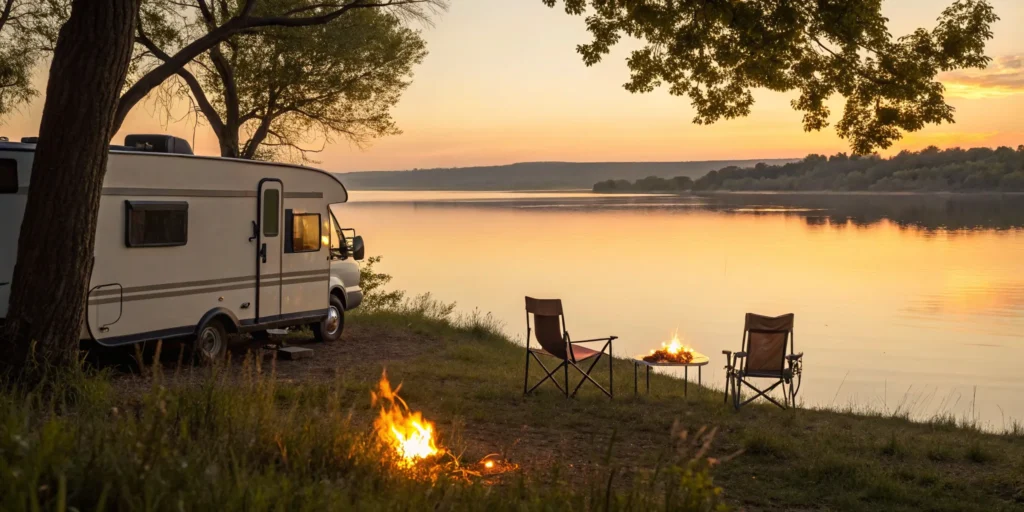
Let’s talk about a huge mistake new RV owners make: assuming their auto policy covers their camper. It doesn’t. While your car insurance might offer a little liability protection while towing, it leaves your investment vulnerable to theft, damage, and campsite accidents. This is why you need a dedicated camper policy. The big question is, “how much does camper insurance cost?” The answer is often less than you’d expect, and it’s certainly cheaper than replacing your RV out-of-pocket. This article will demystify the pricing, explain the different types of coverage, and show you how to secure the right protection.
Key Takeaways
- Treat Camper Insurance as a Necessity, Not an Option: Your standard auto policy leaves major gaps, offering little to no protection for your personal belongings, campsite accidents, or the camper itself once it’s unhitched. A dedicated policy is the only way to fully cover your home on wheels.
- Understand What Shapes Your Premium: Your insurance rate is highly personalized, not one-size-fits-all. The final cost is primarily determined by your RV’s type and value, how you use it (weekend trips vs. full-time living), and your personal driving history.
- Actively Lower Your Premium: You have more control over your insurance bill than you might think. Bundling your policies, installing safety and anti-theft gear, and choosing a higher deductible are all practical ways to secure a better rate without sacrificing important coverage.
Camper Insurance: What It Is and Why You Need It
If you’re dreaming of hitting the open road in a camper, you’ve probably thought about gas mileage and the best campsites, but have you considered insurance? Think of camper insurance as a specialized safety net for your home on wheels. It’s designed to give you crucial financial protection that goes far beyond a standard auto policy. While your car insurance covers your vehicle, an RV is so much more—it’s a space where you live, cook, and relax.
This is why a dedicated policy is so important. It addresses the unique risks that come with the RV lifestyle, like liability if someone gets hurt at your campsite, coverage for permanent attachments like awnings, and protection for your personal belongings inside. Whether you’re a weekend warrior or a full-time traveler, having the right insurance means you can focus on making memories, not worrying about what could go wrong. It’s about securing your investment and your peace of mind so you can enjoy your adventures. At Feld Insurance, we can help you find a comprehensive policy that fits your travel style perfectly.
The Growing Popularity of RV Life
It seems like everywhere you look, someone is hitting the road in a camper, and it’s not just your imagination. The RV lifestyle has seen a massive surge in popularity, offering a unique blend of freedom and comfort that more people are drawn to. In fact, RV ownership has climbed by over 60% in the last two decades, with more than 11 million households now part of the community. This isn’t just a fleeting trend; it’s a fundamental shift in how people want to travel and even live. The appeal is easy to understand—you get to explore new places without leaving the comforts of home behind. Whether it’s for weekend getaways or a full-time adventure, the dream of the open road is more accessible than ever.
So, What’s Actually Covered?
So, what’s included in a typical camper policy? It’s much more than just collision repair. RV insurance provides specialized coverage for a wide range of situations you might encounter on the road or at a campsite. This includes protection against accidents, theft, and disasters. Depending on your policy, it can cover everything from total loss replacement if your RV is destroyed to damage from non-collision incidents like hail, flooding, vandalism, or even an unfortunate run-in with wildlife. It can also include options for full-timer coverage if your RV is your primary residence, and protection for your belongings stored inside.
Are You Legally Covered? State-by-State Rules
Insurance laws for RVs can be a bit tricky because they often depend on the type of camper you have and where you live. For motorhomes—the kind you can drive—most states, including Illinois, require you to carry at least liability coverage, just like you would for a car. This covers damages or injuries you might cause to others.
However, the rules are different for towable campers like travel trailers and fifth wheels. Your auto insurance policy can extend some liability protection to your trailer, but there’s a catch: that coverage often ends the moment you unhitch it from your vehicle. This leaves you exposed if something happens at the campsite. That’s why having a separate camper policy is a smart move.
Common RV Insurance Myths, Debunked
Let’s clear up a couple of common misconceptions about camper insurance. First is the myth that your auto policy is all you need. Many people assume their car insurance will fully cover their RV, but this usually isn’t the case. A standard auto policy wasn’t designed to protect the contents of your camper or cover campsite-specific liabilities.
Another big one is that a standard RV policy is fine for full-time living. If your RV is your main home, you’ll need a specialized full-time RV insurance policy. This type of plan offers broader liability protection, more like a homeowner’s policy, to cover you year-round. Getting the right coverage from the start prevents major headaches later.
How Much Does Camper Insurance Cost?
Let’s get right to it and talk numbers. Pinning down an exact price for camper insurance can feel a bit like trying to hit a moving target. That’s because the final cost depends on so many personal factors—the type of RV you have, how often you use it, your driving history, and the coverage you choose. Think of it like asking for the price of a house; you need to know the specifics before you can get an accurate number.
However, to give you a general idea, many RV owners find their annual premium lands somewhere between $200 for a small pop-up and $3,000 for a high-end motorhome. A common ballpark figure you’ll often see is around $1,500 per year, which breaks down to about $125 a month. But please remember, this is just an average. Your actual cost could be much lower or a bit higher depending on your unique situation. The sections below will break down how these costs are calculated and what you can expect to pay. The only way to know for sure is to get a personalized insurance quote that reflects your camper and your lifestyle.
Breaking Down Annual Costs by RV Type
The biggest factor in your insurance cost is the type of camper you own. As you might guess, motorhomes that you drive are typically more expensive to insure than trailers you tow. For example, recent averages show a travel trailer might cost around $594 per year to insure, while a motorhome could be closer to $1,052. If you have a large Class A motorhome—the kind that looks like a tour bus—you can expect to be on the higher end of the spectrum, with costs often ranging from $1,000 to $3,000 annually. Getting the right camper coverage starts with understanding what your specific model requires.
What About Monthly Payments?
If you prefer to budget monthly, you have options. While paying your premium for the full year upfront can often save you 5% to 10%, breaking it into monthly payments is a popular choice. For a basic, liability-only policy, you might find rates as low as $125 for the entire year, which is less than $11 a month. More commonly, you can expect monthly payments to fall in the $25 to $50 range for a standard travel trailer policy. It’s a manageable way to ensure your home-on-wheels is protected without a big upfront cost.
State-by-State Cost Examples
Where you register your RV plays a surprisingly big role in what you’ll pay for insurance. Each state has its own regulations and risk factors, leading to a wide range of costs. For instance, in Michigan, you might see annual premiums anywhere from $700 to $4,500. Head down to Florida, and the typical range is closer to $800 to $1,500. Meanwhile, in California, the average hovers between $900 and $1,200. These numbers show just how much your home base can influence your premium. While these examples give you a general idea, the only way to know the exact insurance costs for your camper here in Illinois is to get a personalized quote based on your specific details.
Camper vs. Car Insurance: A Cost Comparison
This is a big one, so listen up: your car insurance is not enough to cover your camper. It’s one of the most common—and costly—misconceptions out there. While your auto policy’s liability coverage usually extends to your trailer while you’re towing it, that’s where the protection stops. It won’t pay for any physical damage to your camper from an accident, theft, fire, or storm. For that, you need a dedicated camper insurance policy. We can help you review your current auto and home policies to see where the gaps are and ensure you’re fully protected.
What Factors Affect Your Camper Insurance Cost?
Figuring out the cost of camper insurance can feel a bit like solving a puzzle. The final price isn’t a random number; it’s a personalized quote based on a mix of factors related to you, your camper, and how you plan to use it. Insurers look at these details to understand the level of risk involved, which directly shapes your premium. Think of it like your auto policy, but with a few extra layers for the unique world of RVing.
Understanding what goes into your rate is empowering. It helps you see where the costs are coming from and gives you a clearer picture of what you can and can’t control. From the type of rig you own to your driving record, each piece of information helps build your specific insurance profile. Let’s break down the key factors that determine how much you’ll pay for your camper insurance coverage.
How Your RV’s Type, Age, and Value Play a Role
The kind of camper you own is one of the biggest factors in your insurance cost. Generally, motorhomes cost more to insure than travel trailers because they have an engine and are driven, not towed. A larger, newer, or more luxurious RV with high-end finishes will also have a higher premium because it would be more expensive to replace or repair after an accident. An insurer has to consider the potential cost of a total loss, so a $150,000 Class A motorhome will naturally cost more to protect than a $20,000 pop-up camper.
Does How You Use and Store Your Camper Matter?
How often you hit the road plays a major role in your rate. If you’re a full-time RVer who uses your camper as a primary residence (typically more than 150 nights a year), you can expect to pay more than a casual vacationer. That’s because full-time policies need to include broader protections, similar to a homeowner’s policy. Where you store your camper when it’s not in use also matters. Keeping it in a secure, enclosed garage can often lead to lower rates compared to parking it on the street, as this reduces the risk of theft and weather damage.
The Impact of Your Driving Record and Credit Score
Just like with your daily driver, your history behind the wheel is crucial. A clean driving record—free of accidents, speeding tickets, or DUIs—signals to insurers that you’re a low-risk driver, which usually results in a lower premium. It’s one of the most direct ways you can influence your insurance costs. Additionally, in most states, your credit score can play a part in determining your rate. Insurers often use credit-based insurance scores as one of many factors to predict the likelihood of future claims, so a strong credit history can work in your favor.
Your Driving Experience
When it comes to insuring an RV, your experience on the road really counts. Insurers often see seasoned RV drivers as a safer bet than someone just starting out, which can translate into lower premiums. It makes sense—the more time you’ve spent handling a large vehicle, the more comfortable you are with its unique challenges. Beyond just RV-specific experience, your overall driving record is a major factor. A clean driving history is one of the best assets you can have when shopping for insurance. It shows you’re a responsible driver, and companies are happy to reward that with better rates. So, all those years of safe driving are about to pay off.
Your Past Claim History
Your history with insurance claims is another piece of the puzzle. If you’ve filed several claims in the past—whether for your car, home, or another RV—insurers might view you as a higher risk. From their perspective, a pattern of claims could suggest a higher likelihood of filing more in the future. This doesn’t mean one or two incidents will automatically disqualify you from getting a good rate, but a history of frequent claims can lead to a higher premium. It’s one of the ways insurers balance risk, and it’s a standard part of the quoting process for almost any type of insurance policy.
How Your Location and Local Risks Affect Rates
Your home base, right down to your ZIP code, affects your insurance price. Rates can vary significantly by state and even by neighborhood. If you live in an area with higher rates of theft or vandalism, or a densely populated city with more traffic, your premium may be higher. Local weather patterns are also a major consideration. Living in a region prone to severe weather like tornadoes or hailstorms increases the risk of damage to your RV, which is reflected in the cost of your comprehensive coverage.
How Your RV Type Changes Your Insurance Bill
When it comes to insurance, not all RVs are created equal. The massive, luxurious motorhome you see cruising down the highway will have a very different insurance bill than a compact pop-up camper designed for weekend getaways. The type of RV you own is one of the biggest factors that determines your premium. Insurers look at the vehicle’s size, value, and complexity to calculate the potential cost of repairs or a full replacement after an accident. A larger, more expensive rig with high-end finishes simply carries more financial risk.
Think of it like this: the more features, slide-outs, and amenities your camper has, the more there is to cover. That’s why it’s so important to understand where your specific RV falls on the spectrum. Knowing the typical cost range for your RV class helps you budget properly and spot a great deal when you see one. Below, we’ll break down the average insurance costs for the most common types of RVs. This will give you a clearer picture of what to expect as you look for the right insurance solutions to protect your adventures on the road.
Insurance Costs for Class A Motorhomes
These are the giants of the road—the large, bus-style motorhomes that often feel like a luxury apartment on wheels. Because of their high value, size, and complex systems, Class A motorhomes are the most expensive to insure. On average, you can expect to pay between $1,020 and $3,000 per year. This higher premium reflects the significant cost to repair or replace these vehicles, which can be packed with high-end appliances, slide-outs, and custom finishes. The sheer size also means a greater potential for damage in an accident, which is another factor insurers consider when setting your rate.
Covering Class B & C Motorhomes
Class B motorhomes, often called campervans, are the most affordable of the motorized RVs to insure, with typical costs ranging from $504 to $1,020 annually. Their smaller, van-based chassis makes them easier to handle and less costly to repair. Sitting in the middle are Class C motorhomes—the ones with the distinct sleeping area over the cab. They offer more space than a Class B without the massive footprint of a Class A. Accordingly, their insurance rates fall in the middle, generally between $600 and $1,500 per year, reflecting their balanced size and value.
What to Expect for Travel Trailers & Fifth Wheels
If you have a towable RV, your insurance costs will generally be lower than for a motorized one. Standard travel trailers are one of the most economical options, with average annual premiums between $180 and $600. Fifth-wheel trailers, which are typically larger and more luxurious, cost a bit more to insure, ranging from $300 to $1,020 per year. Since these RVs don’t have their own engine, the risk is different, but it’s still crucial to protect your investment from damage, theft, and liability. Ready to see what your rate would be? You can always contact us for a personalized quote.
Rates for Pop-Up & Truck Campers
For those who prefer a more minimalist approach to camping, pop-up and truck campers offer the most budget-friendly insurance options. Pop-up campers, with their collapsible design and lower replacement value, are typically the least expensive to insure, with annual costs averaging $240 to $552. Truck campers, which slide into the bed of a pickup, are also very affordable, with rates usually falling between $204 and $804 per year. Their smaller size and simpler construction mean lower repair costs and, consequently, lower insurance premiums for you.
How to Choose the Right Coverage for Your RV
Picking the right camper insurance is about more than just meeting legal requirements; it’s about building a policy that matches your unique adventures. Whether you’re a weekend warrior hitting local state parks or a full-timer exploring the country, your coverage needs will be different. Think of it like packing for a trip—you wouldn’t bring the same gear for a desert trek as you would for a beach vacation. The same logic applies to your insurance. You need a plan that fits where you’re going and how you plan to get there.
The good news is that you can customize your policy with different types of coverage to protect your RV, your belongings, and your financial well-being. Understanding these options is the first step toward getting the right protection in place before you hit the open road. Let’s break down the most important pieces of a solid camper insurance policy so you can feel confident you’re covered, no matter where your travels take you.
Liability Coverage: The Absolute Must-Have
Think of liability coverage as the foundation of your camper insurance policy. It’s the one part you absolutely can’t skip, and for good reason. RV insurance includes liability coverage, which is essential for protecting you against claims for bodily injury or property damage that you may cause to others while operating your RV. If you’re at fault in an accident, this coverage helps pay for the other party’s medical bills and vehicle repairs. Without it, you could be on the hook for those costs personally. Every state has minimum liability requirements, but it’s often wise to choose limits that provide more robust protection for your assets.
Comprehensive & Collision: Protecting Your Rig
While liability covers damage you cause to others, what about your home on wheels? That’s where comprehensive and collision come in. Collision coverage helps pay for repairs to your RV if it’s damaged in an accident with another vehicle or object, regardless of who is at fault. On the other hand, comprehensive and collision coverage protects your RV from damage due to accidents, theft, vandalism, and other non-collision incidents like weather damage. Think of it as protection from fire, falling trees, or hail. Together, these two coverages ensure your investment is protected from just about any physical damage it might encounter on or off the road.
Insuring Your Personal Belongings and Trips
Your RV is more than just a vehicle; it’s filled with personal belongings like clothes, electronics, and camping gear. A standard policy might not cover these items, which is why personal effects coverage is so important. For those who live in their RV for long stretches, full-timer coverage is essential. It transforms your RV insurance into something closer to a homeowners policy, offering personal liability and better property protection. This is one of the most important insurance solutions for dedicated RVers, as it also includes vacation liability, which protects you if someone is injured at your campsite.
Example Limits for Extra Protection
While meeting your state’s minimum liability requirements is necessary, it’s often not enough to fully protect you. For greater peace of mind, many RV owners opt for higher liability limits, such as $100,000 for bodily injury per person, $300,000 per accident, and $50,000 for property damage. Beyond liability, consider adding at least $5,000 in personal effects coverage to protect your gear, and $10,000 in vacation liability to cover incidents at your campsite. These numbers are just a starting point, as the right amounts depend on your RV’s value and how you use it. Working with an expert can help you build a customized policy that ensures you’re not left underinsured when you need it most.
Is Roadside Assistance Worth the Extra Cost?
There’s nothing worse than being stranded on the side of the road, especially in a large vehicle like an RV. This is where roadside assistance becomes invaluable. Many RV insurance policies offer roadside assistance, which can be a lifesaver in case of breakdowns or emergencies while traveling. This add-on can help with everything from flat tires and dead batteries to towing your camper to the nearest repair shop if needed. It’s a relatively small cost for a huge amount of security, ensuring that a minor mechanical issue doesn’t turn into a trip-ruining disaster. It’s the kind of practical support that makes your journey smoother and safer.
Total Loss Replacement for New RVs
If you’ve just invested in a brand-new camper, Total Loss Replacement coverage is something you should seriously consider. Imagine your new RV is destroyed by a fire, a severe hailstorm, or even vandalism. With standard coverage, you’d likely receive a check for its depreciated value, which could be thousands less than what you paid. Total Loss Replacement changes that. This coverage ensures that if your new RV is declared a total loss within its first few years, you get a brand new, comparable model, not just a check for its current market value. It’s the ultimate safety net for your big investment, offering true peace of mind so you can focus on the adventure ahead.
How Full-Time RVing Changes Your Insurance Needs
If you’re trading a traditional home for a life on the road, your insurance needs a major update. Using your RV for weekend getaways is one thing, but making it your primary residence is another. Full-time RVing means your camper isn’t just a vehicle; it’s your home, and it needs to be protected like one. This shift requires a special type of policy that blends the best of auto and home insurance to cover your unique lifestyle.
Think of it this way: a standard policy is designed for recreational use, covering you for trips and time in storage. A full-timer’s policy, however, acknowledges that you’re living in the vehicle day in and day out. It accounts for the increased risks and provides broader protection for you, your belongings, and any guests you might have. Let’s break down what that means for your coverage.
Full-Timer vs. Part-Timer Policies: What’s Different?
The biggest distinction an insurance provider makes is how much time you spend in your RV. If you live in it for more than six months out of the year, you’re generally considered a full-timer. This means you’ll need a full-time RV policy, which is a hybrid that acts more like homeowners insurance. It offers more comprehensive protection because your risk exposure is higher than someone who only camps a few weekends a year. Because of this expanded coverage, you can expect your premiums to be higher—often in the range of $1,500 to $4,000 annually—to reflect that your RV is pulling double duty as both your vehicle and your home.
Cost Estimates for Part-Time and Weekend Use
If you fall into the part-timer or weekend warrior category, you’ll be happy to know your insurance costs will be much more affordable. Since your RV spends more time in storage and less time on the road, the risk is lower, and your premium reflects that. For a standard travel trailer, you can often expect to pay between $25 and $50 per month. For smaller campers, like pop-ups, the annual cost is even lower, typically ranging from $240 to $552. These manageable rates make it easy to protect your investment without breaking the bank. The best way to understand your specific cost is by getting a quote that considers your camper and how you use it.
Essential Coverage Every Full-Timer Needs
A full-timer policy isn’t just about meeting a requirement; it’s about securing essential protections. This type of plan typically includes personal liability coverage, which is crucial. If a guest gets injured at your campsite or you accidentally cause damage to someone else’s property, this coverage helps protect you financially, just like it would in a traditional home. You’ll also get enhanced property protection for your personal belongings inside the RV. Since you’re carrying all your worldly possessions with you, ensuring they’re covered against theft or damage is a must. This level of security is why a full-timer policy is a non-negotiable for anyone committed to the RV lifestyle.
How Your “Home Base” Affects Your Rate
Even if you’re always on the move, you need a “home base” or domicile state for legal and insurance purposes. The state and even the ZIP code you choose for this home base directly impacts your insurance rates. Insurers look at local factors like theft rates, traffic congestion, and the likelihood of severe weather. For example, establishing your home base in an area prone to tornadoes or hail may result in higher premiums than in a more temperate, lower-risk region. It’s a key detail to consider, and it’s always a good idea to talk to an agent who understands how local factors in places like Springfield or East Peoria can influence your policy.
Costly RV Insurance Mistakes to Avoid
Getting the right RV insurance is about more than just checking a box; it’s about securing genuine peace of mind for your adventures. A few common slip-ups, however, can leave you with major headaches and unexpected bills down the road. These oversights are easy to make but just as easy to avoid once you know what to look for.
Navigating the details of a policy can feel tricky, but understanding these key areas will help you build a safety net that truly protects your investment and your travel plans. Let’s walk through some of the most frequent—and costly—mistakes so you can steer clear of them and hit the road with confidence. Partnering with a trusted guide can make all the difference in crafting a policy that fits your unique needs.
Mistake #1: Assuming Your Auto Policy Is Enough
One of the most widespread misconceptions is that a personal auto insurance policy will automatically cover your RV. While some policies extend liability coverage to a travel trailer while it’s hitched to your car, that protection often disappears the moment you unhitch at the campsite. This leaves you completely exposed if an accident happens in or around your parked camper. Relying solely on your auto insurance creates a significant financial risk, as it wasn’t designed to cover the unique situations that come with RVing, from campsite liability to specialized equipment.
Mistake #2: Forgetting to Insure Your Personal Items
Your RV is your home on wheels, and you’ve likely filled it with clothes, electronics, cookware, and other personal belongings. Many standard RV policies don’t automatically cover these items, or they offer very limited protection. If you live in your RV full-time, this becomes even more critical. You’ll want a policy that includes personal property coverage, which functions much like homeowners’ coverage by protecting your valuables against theft or damage. Overlooking this can lead to thousands of dollars in out-of-pocket expenses to replace everything you own after an incident.
Mistake #3: Neglecting Coverage for Your Towed Vehicle
If you have a motorhome, you might tow a smaller car behind it for running errands once you’ve set up camp. It’s a common mistake to assume that your RV or primary auto policy covers this towed vehicle, often called a “dinghy” or “toad.” In most cases, it doesn’t. The vehicle you tow needs its own comprehensive and collision coverage to be protected from damage that occurs while it’s being towed or when it’s parked. Forgetting to properly insure it can be a costly oversight, especially if it’s damaged in an accident far from home.
Mistake #4: Underestimating Your RV’s Value
When insuring your RV, it’s crucial to think beyond its base value. Your policy should also account for all the extras that make it functional and comfortable, like awnings, satellite dishes, solar panels, and interior appliances. Many owners underestimate the total replacement cost of their entire setup, leaving them underinsured. If a total loss occurs, a policy based on an inaccurate value won’t provide enough to get you back into a comparable RV. It’s important to work with an agent to assess the full value of your RV and its contents to ensure your coverage is sufficient.
Smart Ways to Lower Your Camper Insurance Cost
Camper insurance is a must-have for protecting your investment, but that doesn’t mean you have to overpay. With a few smart strategies, you can find significant savings without sacrificing the coverage you need for peace of mind on the road. It’s all about knowing where to look for discounts and how to structure your policy to fit your budget. Taking a proactive approach can make a real difference in your annual premium, freeing up more cash for your next adventure.
Bundle Your Policies for Easy Savings
One of the easiest ways to save is to bundle your camper insurance with other policies, like your home or auto coverage. Insurance companies often reward loyal customers with multi-policy discounts that can lead to substantial savings—sometimes as much as 20% to 40%. Instead of managing multiple bills and renewal dates, you have one point of contact for all your insurance needs. It’s a straightforward way to get a better rate while ensuring all your assets are protected with a company you trust. This approach simplifies your financial life and helps you build a stronger relationship with your insurance provider.
Ask About Safety and Anti-Theft Discounts
Insurance providers appreciate it when you take steps to protect your RV from theft and damage. Installing safety features can often translate into a lower premium. Think about adding anti-theft devices like a GPS tracker, an alarm system, or even a simple wheel lock. Upgrades like reinforced safety glass can also earn you a discount. These features reduce the risk of a claim, which is why insurers are willing to offer a better rate. Be sure to mention any security or safety upgrades you’ve made when you ask for a quote—it could pay off and make your camper a less attractive target for thieves.
Take a Defensive Driving Course
Proving you’re a safe and responsible driver can lead to some great discounts. Many insurance companies offer a rate reduction for policyholders who complete an approved defensive driving course. These courses refresh your knowledge of traffic laws and teach you techniques for handling challenging road conditions, which is especially helpful when you’re behind the wheel of a large vehicle. Not only will you become a more confident driver, but you could also see your insurance premium drop by as much as 20%. It’s a small investment of time that delivers lasting benefits for your safety and your wallet.
Adjust Your Deductibles and Coverage Limits
Your deductible is the amount you pay out-of-pocket before your insurance coverage begins. Choosing a higher deductible will almost always lower your monthly or annual premium. The key is to find a balance that works for you. You want to select a deductible that you could comfortably afford to pay if you needed to file a claim. It’s a trade-off between a lower regular payment and a higher potential one-time cost. Reviewing your coverage limits to ensure you aren’t over-insured for your specific needs can also help you find the right price point for your policy.
Use Secure Storage and Seasonal Options to Save
If you don’t use your camper year-round, you may not need full coverage during the off-season. Talk to your agent about seasonal or “storage-only” policies. This option typically reduces your coverage to comprehensive-only while your RV is stored, protecting it from things like theft, fire, or weather damage, but removing collision coverage since you won’t be driving it. Storing your RV in a secure, enclosed facility rather than your driveway can also lead to a discount. Insurers see this as a lower risk, and they often pass those savings on to you.
Look for Paid-in-Full and Claim-Free Discounts
Sometimes the simplest actions can lead to the best savings. Many insurance companies offer discounts for policyholders who pay their premiums in full rather than in installments. This can lead to savings of 5% to 10% on your total premium, and it’s one less monthly bill to worry about. Additionally, your safe driving habits can pay off. If you have a clean claims history, meaning you haven’t made any claims where you were at fault, you may qualify for a claim-free discount. This rewards you for being a responsible RV owner and can further reduce your insurance costs. When you’re ready to explore your options, we can help you find all the insurance solutions that fit your budget.
Check for Original Owner and RV Club Discounts
A couple of lesser-known discounts are worth asking about. If you are the original owner of your RV, some insurers provide discounts for this status, as it often suggests the vehicle has been well-maintained from the start. Additionally, being a member of an RV club can also lead to discounts on your insurance premium. Many insurance companies recognize the commitment and responsibility of RV club members and offer special rates as a result. Organizations like the Good Sam Club or the Family Motor Coach Association (FMCA) not only connect you with a community of fellow travelers but can also help you save money on the essential protection you need for your adventures.
Your Checklist Before Buying Camper Insurance
Finding the right camper insurance can feel like a big task, but it doesn’t have to be overwhelming. Think of it as a final check before you hit the road, ensuring you have the right protection for your adventures. By taking a few simple, proactive steps, you can find a policy that fits your needs and your budget, giving you the confidence to travel without worry. This checklist will walk you through the essential steps, from comparing quotes to understanding the fine print.
How to Shop for Quotes and Compare Providers
The best way to find a great rate is to shop around. Don’t just go with the first quote you get. Comparing offers from different providers helps you see what a fair price looks like for the coverage you need. When you compare, make sure you’re looking at similar coverage levels and deductibles to get a true side-by-side view. Understanding the factors that affect your rate, like your RV’s value and your driving history, can also help you make choices that lower your costs. The easiest way to start is to get a personalized quote from an advisor who can walk you through your options and find the best fit for you.
Real-World Example: How Quotes Can Vary
Let’s look at a real-world scenario to see just how much quotes can differ. One first-time buyer with a new 33-foot travel trailer received an initial quote of $92 per month. While that might sound reasonable, they found a much lower rate by simply shopping around. This happens all the time because every insurance company has its own way of calculating risk. One provider might weigh your driving history more heavily, while another might focus on where you store your camper. This is why two people with identical RVs can get wildly different prices. It’s also why working with an independent agent can be so valuable—we can do the comparison shopping for you to find the best combination of coverage and cost. The only way to know you’re getting a fair deal is to compare several options, ensuring you’re not overpaying for the protection you need.
Read the Fine Print: What to Look For
It’s easy to assume your policy covers everything, but every insurance plan has exclusions and limitations. A common mistake is thinking your auto insurance automatically extends to your camper—it often doesn’t provide enough protection. Before you sign, take the time to read the policy details carefully. Pay close attention to what isn’t covered, such as certain types of water damage or wear and tear. Understanding these details upfront prevents surprises later on. Knowing exactly what your insurance services include ensures your policy matches your travel lifestyle and gives you true peace of mind on the road.
Work With an Independent Agent to Find the Best Rates
While comparing quotes is the smartest way to find a good deal, it can also be incredibly time-consuming. Instead of filling out endless online forms, consider partnering with an independent agent. Unlike agents who work for a single company, an independent agent represents multiple carriers. This means they can do the comparison shopping for you, gathering personalized quotes to find the best combination of price and coverage. They act as your trusted guide, helping you understand exactly what you need so your policy matches your unique adventures. An experienced agent can walk you through all your options, ensuring you get a plan that provides real peace of mind without overpaying.
Know When It’s Time to Update Your Policy
Your insurance needs can change over time, so your policy should, too. It’s a great habit to review your camper insurance annually. Did you add a new awning or solar panels? Are you planning to travel more or less this year? Life events, RV upgrades, or even changes in how you store your camper can all impact your coverage needs. An annual check-in with your insurance agent ensures your policy keeps up with your life. This quick review can help you avoid being underinsured and might even uncover new discounts you qualify for, making sure you always have the right protection.
Double-Check Your State’s Minimum Requirements
Insurance laws aren’t the same everywhere; they vary from state to state. Illinois has specific minimum liability requirements for RVs, just like it does for cars. It’s important to know what your local laws demand so you can be sure your policy is compliant. Where you live and travel also matters, as factors like local weather risks or crime rates can influence your premium. Working with a local agent who understands Illinois insurance regulations is a huge advantage. They can make sure your policy not only meets but exceeds the legal requirements, keeping you protected wherever your travels take you.
Related Articles
- A Guide to Mobile Home Homeowners Insurance
- Mobile Home Insurance: The Ultimate 2025 Guide
- Full Coverage Car Insurance Guide | Feld Insurance IL
- Full Coverage Car Insurance: A Complete Guide – Feld Insurance
- Full Coverage Car Insurance Guide | Feld Insurance IL
Frequently Asked Questions
Is my auto insurance really not enough for my travel trailer? This is one of the most important things to get right. While your car insurance’s liability protection typically extends to your trailer while you’re towing it, that coverage stops the second you unhitch at your destination. This leaves a major gap. A dedicated camper policy provides liability protection around the clock and, just as importantly, covers physical damage to your trailer from an accident, theft, or storm—things your auto policy won’t touch.
What happens if a guest gets hurt at my campsite? A standard auto policy won’t help you here, but a proper camper insurance policy will. This is where vacation liability coverage comes into play. It works much like the liability protection on a homeowner’s policy, covering medical expenses or legal fees if a visitor is accidentally injured in or around your RV. It’s an essential protection that ensures a simple mishap doesn’t turn into a major financial problem.
I only use my camper in the summer. Can I reduce my coverage in the off-season? Absolutely. You shouldn’t have to pay for road coverage when your camper is tucked away for the winter. Many policies offer a seasonal or storage-only option. This allows you to suspend collision coverage during the months your RV is not in use, which lowers your premium. You’ll still keep comprehensive coverage active, so your camper remains protected from non-driving risks like theft, fire, or storm damage.
How do I make sure I have enough coverage for my RV and everything in it? The key is to think about the total replacement cost, not just what you paid for the camper. Make a list of any significant upgrades you’ve made, like solar panels or a new awning, and create a general inventory of the personal items you keep inside. A good policy should offer personal effects coverage for your belongings and be based on a value that would allow you to buy a comparable new RV if yours were totaled.
What’s the main difference in insuring a motorhome versus a towable trailer? The biggest difference comes down to risk. A motorhome is both a vehicle and a living space, so its policy needs to cover driving liability, collision damage, and property risks all in one. A towable trailer, on the other hand, doesn’t have an engine. Its policy focuses more on property protection and campsite liability. This is why motorhomes are generally more expensive to insure—there’s simply more to cover.