

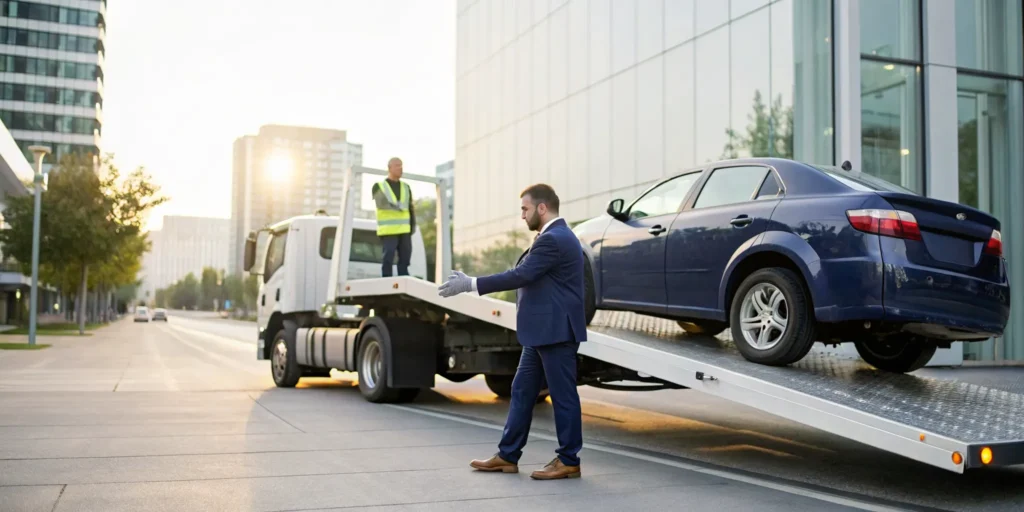
One of the most common misconceptions about auto insurance is that it’s a catch-all for any car-related problem. This leads many people to believe the answer to “does insurance cover towing?” is always yes. In reality, coverage is highly specific. For instance, if you’re in a collision, your policy will likely cover the tow to a repair shop as part of the claim. But if your battery dies or you run out of gas, you’ll need a separate roadside assistance plan to avoid paying out-of-pocket. This guide will clear up the confusion and explain the different layers of coverage.
Key Takeaways
- Towing Is Usually Part of a Larger Claim: Your standard auto policy typically covers towing only when it’s necessary after a covered accident or event, like a crash or storm damage. It generally does not cover tows for mechanical breakdowns.
- Add Roadside Assistance for Breakdowns: For everyday issues like a dead battery, flat tire, or running out of gas, adding a roadside assistance plan is your best bet. This affordable coverage is specifically designed to help with common roadside problems.
- Understand Your Coverage Limits: Towing plans are not unlimited; they often have caps on towing distance, the number of service calls per year, or the cost per incident. Reviewing these details in your policy helps you avoid surprise out-of-pocket expenses.
Does My Car Insurance Cover Towing?
It’s a situation no one wants to be in: your car sputters to a stop on the side of the road. As you pull out your phone, you’re probably wondering, “Will my insurance pay for a tow truck?” The answer isn’t a simple yes or no; it really depends on your policy. A standard policy usually won’t cover towing for a breakdown, but there are specific situations and add-ons that will. Let’s break down what you need to know so you’re prepared.
How Standard Policies Handle Towing
Let’s get straight to the point: a standard car insurance policy usually does not cover towing for mechanical breakdowns. Basic liability coverage is designed to pay for damages you cause to others, not for your own car’s maintenance issues. So, if your engine overheats or you get a flat tire, your standard policy won’t cover the tow. A breakdown is often seen as a maintenance-related issue. To get coverage for a tow in these situations, you typically need to add a specific endorsement to your auto insurance policy.
The Role of Comprehensive and Collision Coverage
This is where things get a little more nuanced. If you need a tow because of an event covered by your comprehensive or collision insurance, the cost is often included as part of the claim. For example, if you’re in an accident and your car is no longer drivable, your collision coverage will likely pay for the tow to a repair shop. Similarly, if a tree falls on your car, your comprehensive coverage would probably handle it. The key distinction is the reason for the tow. If it’s the result of a covered incident, the towing fee is generally considered part of the repair cost.
Adding Roadside Assistance to Your Plan
For everyday breakdowns, the best way to ensure you’re covered is by adding roadside assistance to your policy. This is an optional, low-cost coverage that you can purchase from most insurance providers. It’s specifically designed to help with common roadside issues, and towing is almost always a primary feature. Beyond towing, roadside assistance often includes services like jump-starting a dead battery, changing a flat tire, and lockout services. It’s a simple way to get peace of mind. If you’re unsure whether you have this coverage, it’s a great idea to review your insurance services or give your agent a call.
Roadside Assistance vs. Towing: What’s the Difference?
When your car breaks down, the terms “towing” and “roadside assistance” might seem interchangeable. But in the world of insurance, they mean very different things. Understanding this difference is key to making sure you have the right protection when you need it most. Think of towing as a specific action, while roadside assistance is the comprehensive service package that often includes it. This coverage is designed to get you out of a jam, whether that means a quick fix on the spot or a lift to the nearest repair shop. It’s a small addition to your policy that can make a huge difference during a stressful situation.
Understanding the Key Distinctions
At its core, towing is simply the act of moving your vehicle from one location to another when it can’t be driven. Roadside assistance, on the other hand, is a broader bundle of services designed to solve minor mechanical issues right where you are. A standard car insurance policy typically won’t cover the cost of a tow if your car breaks down from a mechanical failure. That’s why many drivers add roadside assistance coverage. This add-on is what bridges the gap, providing a safety net for those unexpected moments on the side of the road.
What Roadside Assistance Typically Includes
So, what do you get with roadside assistance? It’s much more than just a tow truck. This handy coverage is designed to handle the most common car troubles. For instance, if your battery dies, it covers a jump-start. If you get a flat, it includes help with changing your tire. It can even be a lifesaver if you lock your keys in the car or run out of gas miles from a station. Emergency Roadside Service is all about getting you moving again quickly and safely, and if that’s not possible, it will then cover the tow to a repair shop.
A Look at Costs and Coverage Limits
Paying for a tow out-of-pocket can be expensive, with costs adding up quickly depending on the distance and time of day. Adding roadside assistance to your auto policy is usually a small, affordable expense that can save you a major headache and a lot of money down the line. However, it’s important to know that this coverage isn’t unlimited. Most plans have specific limits, such as towing you to the nearest qualified mechanic or capping the towing distance. It’s always a good idea to review the details of your towing and labor coverage so you know exactly what to expect.
Will Insurance Cover a Tow After an Accident?
Getting into an accident is stressful enough without having to worry about how you’ll get your car off the road. The good news is that your auto insurance policy often steps in to help with towing costs, but it all depends on the type of coverage you have. Let’s walk through how different parts of your policy can cover a tow when you need it most.
When Collision Coverage Applies
If you have collision coverage, you’re generally in a good spot. This part of your policy is designed to pay for repairs to your car after it’s damaged in a crash with another vehicle or an object, like a guardrail or a pole. Since towing your damaged car to a repair shop is a necessary first step in getting it fixed, the cost is typically included as part of your collision claim. Think of it this way: if the accident is covered, the tow that results from it usually is, too.
How Comprehensive Coverage Can Help
What if your car is damaged by something other than a crash? That’s where comprehensive coverage comes in. This coverage handles non-collision events that can leave your car undrivable. For example, comprehensive coverage might pay for towing if your car is damaged by theft, fire, a flood, or even a falling tree branch. If an unexpected event damages your car to the point where you can’t drive it, your policy will likely cover the cost of getting it towed to a safe location or a body shop for repairs.
Does Being At-Fault Change Anything?
This is a common question, and the answer really depends on your policy. If you cause an accident and have collision coverage, your own insurance should cover the tow. If another driver is at fault, their liability insurance is responsible for your damages, including towing fees. However, it can sometimes be quicker to file the claim under your own collision policy and let your insurance company seek reimbursement from the at-fault driver’s insurer. The best way to know for sure is to understand your specific auto insurance policy and what it includes.
What Your Towing Coverage Won’t Include
Having towing coverage is a huge relief, but it’s not a blank check for any situation. Knowing the limitations of your policy ahead of time can save you from unexpected bills and frustration when you’re already dealing with a stressful car issue. Think of it like a toolkit; it has specific tools for specific jobs, but it doesn’t cover every possible repair.
Most towing and roadside assistance plans come with specific rules about what they will and won’t cover. These limitations are designed to keep policies affordable while still providing help for the most common roadside events. Let’s walk through some of the typical exclusions so you know exactly what to expect from your coverage.
Common Policy Exclusions to Know
First, it’s important to understand that standard car insurance usually does not include towing. It’s an optional add-on, often called roadside assistance. If you haven’t specifically added this coverage to your policy, you won’t be covered if your car breaks down and needs a tow. Beyond that, this coverage is meant for unexpected mechanical failures or accidents. It generally won’t cover towing for routine maintenance, like taking your car to the shop for an oil change, or for towing a vehicle you just purchased.
Impound Fees and Parking Violations
This is a big one. If your car is towed because of a parking violation, or if it’s taken to an impound lot for any reason, your insurance will not cover the towing bill or the fees to get your vehicle back. Those costs, which can include daily storage charges, are your responsibility. The best advice here is to retrieve your car as quickly as possible to prevent those storage fees from piling up. Insurance is there for accidents and breakdowns, not for situations resulting from parking infractions or legal issues.
Limits on Distance and Frequency
Your towing coverage isn’t unlimited. Most insurance companies set limits on how you can use the service to keep the coverage affordable. This often includes a cap on the number of service calls you can make per year. For example, your policy might cover up to three or four tows annually. There is also usually a mileage limit for the tow itself. The insurer might cover towing to the nearest qualified repair shop or up to a specific distance, like 15 or 50 miles. If you need to go further, you’ll have to pay the difference out of pocket.
Maximum Payouts Per Incident
In addition to distance and frequency limits, your policy will likely have a maximum dollar amount it will pay per incident. For instance, your coverage might state it will pay up to $100 for a tow. If the final bill from the towing company is $150, you are responsible for the remaining $50. It’s crucial to review the specific details of your auto insurance policy to understand these financial caps. Knowing your exact coverage amount helps you make informed decisions when you’re on the side of the road and need to call for a tow.
How to Get the Right Towing Coverage
Finding the right towing coverage doesn’t have to be complicated. It’s all about knowing what to look for and asking the right questions. A little bit of prep work can save you a lot of stress if you ever find yourself stranded on the side of the road. Let’s walk through the simple steps to make sure you have the protection you actually need.
Review Your Current Policy Details
First things first, pull out your current auto insurance policy. Don’t just assume you’re covered for towing. Most standard policies don’t automatically include it, so you’ll need to look for specific language about roadside assistance or towing and labor. Check the declarations page, which summarizes your auto insurance coverage. If you see a line item for it, you’re likely covered, but it’s still a good idea to read the fine print to understand the limits. If you don’t see it mentioned, you probably need to add it to your plan.
Key Factors to Consider When Choosing Coverage
If you decide to add towing coverage, think about what you really need. This type of add-on, often called towing and labor coverage, is usually pretty affordable and can be a lifesaver. It typically helps pay for services like towing, jump-starts, fuel delivery if you run out of gas, flat tire changes, and lockout services. Consider how often you drive, how far you travel, and the age of your vehicle. Someone with a long daily commute might want more extensive coverage than someone who only drives around town. Match the coverage to your lifestyle.
Talk to Your Insurance Agent
When in doubt, the best thing you can do is talk to your insurance agent. They can cut through the jargon and explain exactly what your policy includes and what it doesn’t. An agent can walk you through different options, help you understand coverage limits (like how many miles a tow is covered for), and find a plan that fits your budget. Getting personalized advice ensures there are no surprises later on. If you have questions about your current plan or want to explore your options, give us a call. We’re here to help you feel confident in your coverage.
Clearing Up Common Towing Coverage Questions
Towing coverage can feel like a gray area, and it’s easy to make assumptions about what your policy includes. Many drivers don’t think about the specifics until they’re stranded on the side of the road, which is the worst time to discover a gap in your coverage. Let’s walk through some of the most common questions and clear up the confusion so you can feel confident you have the protection you need before you actually need it. Understanding these details helps you make informed decisions about your policy.
Common Misconceptions, Debunked
Let’s start with the biggest myth: that standard car insurance automatically covers towing. In most cases, it doesn’t. A basic liability or even a full coverage policy is designed to cover damages from accidents, not mechanical failures. If your car breaks down because of a dead battery or a faulty alternator, your standard auto insurance policy won’t pay for the tow truck. Towing and roadside assistance are typically optional coverages, or “endorsements,” that you add to your plan. It’s an easy mistake to make, but assuming you have it can lead to an expensive surprise when you need help the most.
When to Expect Out-of-Pocket Costs
Without specific roadside assistance coverage, you should expect to pay for a tow yourself in several situations. The most common scenario is a mechanical breakdown. If your engine overheats or you get a flat tire and can’t change it, the cost of calling a tow truck will fall on you. Another key exclusion is impound fees. If your car is towed because of parking violations or other legal reasons, your insurance will not cover the towing charge or the fees to get your car back from the impound lot. These costs are considered penalties, not insurable events, so they will always be an out-of-pocket expense.
Exploring Your Other Options
The good news is that getting coverage for towing is usually simple and affordable. Most insurance providers offer a roadside assistance add-on that includes towing services. This coverage is designed for exactly the situations we’ve discussed, like breakdowns, flat tires, or running out of gas. When you add it to your policy, you gain peace of mind knowing that help is just a phone call away. The best first step is to review your current policy to see what it includes. If you find you don’t have the coverage you want, we can help you explore the options that fit your needs and budget. Feel free to contact us to find the right solution.
Related Articles
Frequently Asked Questions
My car broke down, but it wasn’t an accident. Will my standard policy cover the tow? Probably not. A standard auto insurance policy is designed to cover damages from accidents or other covered events, not mechanical failures. For situations like a dead battery or an engine issue, you need a specific add-on, usually called roadside assistance or towing and labor coverage, to have the tow paid for.
Is roadside assistance just for towing? No, it’s much more than that. Think of towing as one part of a larger roadside assistance package. This coverage is designed to help with many common roadside problems, including jump-starting a dead battery, changing a flat tire, delivering fuel if you run out, or helping you get back in if you’re locked out of your car.
If I get into an accident, does it matter who was at fault for the tow to be covered? If you have collision coverage, your policy will typically pay for the tow regardless of who was at fault. You can file the claim with your own insurer to get things moving quickly. If the other driver was at fault, their liability insurance is ultimately responsible for the cost, and your insurance company will usually work to get reimbursed by them.
Are there limits to how much my roadside assistance will pay for a tow? Yes, most plans have specific limits to keep the coverage affordable. This often includes a cap on the distance, such as towing to the nearest qualified repair shop or up to 15 miles. There may also be a dollar limit per incident, like $100, or a limit on how many times you can use the service each year. It’s always best to check your policy for the exact details.
How can I check if I already have towing coverage on my policy? The easiest way is to look at your policy’s declarations page, which is a summary of all your coverages. You should see a specific line item for “Roadside Assistance” or “Towing and Labor.” If you don’t see it listed or are still unsure, the best thing to do is give your insurance agent a call. They can review your policy with you and explain your options.