

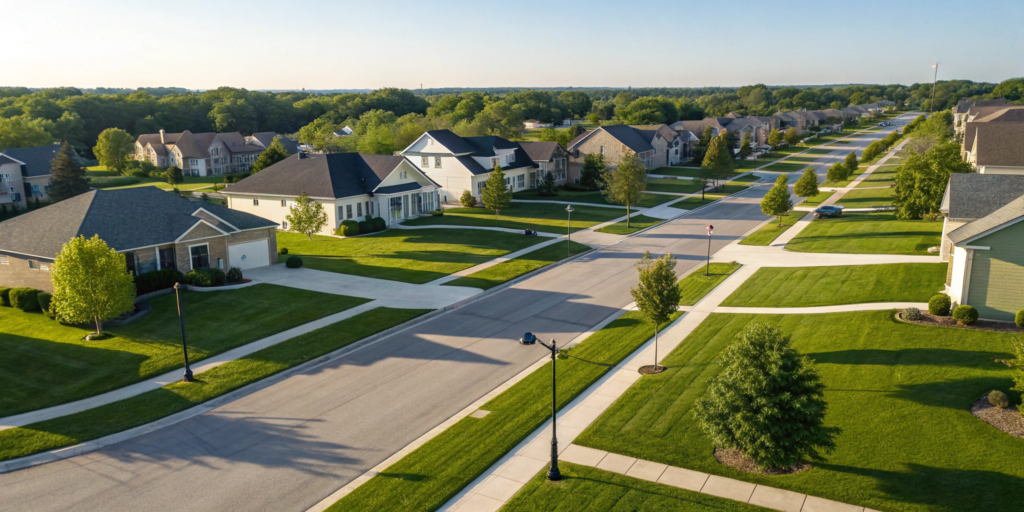
Amid the excitement of moving, it’s easy to let some things slip through the cracks. One of the biggest? Your insurance. That policy you had was priced for your old address, and your new neighborhood has a completely different risk profile. Moving across town—or even just a few streets over—can have a surprising impact on your home and auto premiums. This is the perfect opportunity to make sure you aren’t overpaying. The smartest way to do that is to compare insurance rates for your new zip code before you even finish unpacking. We’ll show you exactly how your new address influences your costs and help you find the best policy for your new chapter.
Key Takeaways
- Understand That Location Drives Your Rate: Insurers use your zip code to assess local risks like crime, weather, and accident frequency, which directly impacts your premium. Your rate is based on neighborhood-wide statistics, not just your personal record.
- Shop for New Quotes at Key Moments: Proactively compare insurance rates at least once a year, before your policy renews, or after any major life event like moving or buying a home. This simple habit ensures you’re not overpaying for your coverage.
- Look Beyond Price for True Value: The cheapest policy isn’t always the best. Ensure you’re making an apples-to-apples comparison of coverage limits and deductibles, and choose a financially stable insurer that offers reliable guidance and service.
Does Your Zip Code Really Change Your Insurance Rate?
It might seem strange that your insurance premium could be different from someone’s just a few miles away, but your zip code is one of the most significant factors insurers use to calculate risk. Think of it this way: insurance is a shared pool of risk. If you live in an area where claims are more frequent—whether from accidents, theft, or weather—the overall risk for everyone in that pool goes up, and so do the rates. It’s not about you personally, but about the statistical patterns of your neighborhood. Let’s break down the key location-based factors that influence your home and auto insurance costs.
How Local Crime and Theft Rates Affect You
Unfortunately, higher crime rates often lead to more insurance claims. If your neighborhood has a high frequency of vehicle thefts, break-ins, or vandalism, insurers anticipate paying out more to policyholders in that area. This increased risk is reflected in your premiums, particularly for the comprehensive portion of your auto insurance and for your home insurance policy. Insurance companies analyze local and national crime statistics to assess the likelihood of these events occurring in your specific zip code, adjusting rates to match the local risk level.
Your Area’s Weather and Disaster Risk
Mother Nature plays a big role in your insurance rates. If you live in an area of Illinois that’s prone to specific weather events like hail storms, tornadoes, or flooding, your rates will likely be higher. Insurers use historical data to predict the chances of a natural disaster damaging your home or car. For example, areas with frequent hailstorms see more claims for roof and vehicle damage, which drives up the cost of comprehensive auto coverage and home insurance for everyone in that zip code. It’s all about the probability of a weather-related claim.
Local Traffic and Accident History
For auto insurance, your local traffic conditions are a major consideration. Densely populated urban areas typically have more cars on the road, leading to more congestion, fender benders, and serious accidents. Insurers closely examine the accident and claim frequency in your zip code. If you live in an area with busy intersections or highways where accidents are common, you can expect to pay more for your policy. This is why a driver in a quiet, rural town often pays less than someone with the exact same driving record who lives in a bustling city center.
How State and Local Laws Play a Role
Insurance is regulated at the state level, and each state has its own set of rules that affect how rates are calculated. While a couple of states have prohibited the use of zip codes in setting rates, most states, including Illinois, allow it. These regulations create a framework that insurance companies must follow. A local agent who understands the specific Illinois insurance laws can provide invaluable guidance. They can help you understand exactly how state and local factors are influencing your quote and ensure you’re getting all the protection you need.
What Else Determines Your Insurance Rate?
While your zip code sets the stage, your personal profile and the car you drive play leading roles in determining your final insurance premium. Insurers look at a wide range of factors to build a complete picture of your risk profile. Understanding these elements can help you identify areas where you might be able to find savings. It’s not just about where you live, but also who you are as a driver and what you’re protecting. Let’s explore the other key pieces of the puzzle that shape your insurance costs.
National Averages and Potential Savings
To get a sense of what you might pay, it helps to look at the bigger picture. Nationally, the average cost for full coverage car insurance is around $174 per month, while liability-only coverage is closer to $99 per month. These numbers are just a benchmark, and your actual quote could be quite different. Think of them as a starting point. Your unique circumstances, from your driving history to the type of car you own, will ultimately decide your rate. The key takeaway is that rates vary significantly, which is why comparing quotes is so crucial for finding a policy that fits your budget.
Key Personal Factors
Beyond your location, insurance companies consider several personal details to assess your risk level. These factors help them predict the likelihood that you’ll file a claim. While you can’t change some of these things, like your age, being aware of how they affect your premium can provide valuable context when you’re shopping for a policy. Your driving record, credit history, and even your education level can all influence the price you pay. Each insurer weighs these factors differently, so a detail that one company emphasizes might be less important to another.
Your Driving Record
This is one of the most influential factors, and it’s one you have a great deal of control over. A clean driving record with no accidents or traffic violations is your best ticket to lower insurance rates. Insurers reward safe drivers with better pricing because they’re statistically less likely to file a claim. On the other hand, a history of speeding tickets, at-fault accidents, or a DUI can label you as a high-risk driver, leading to significantly higher premiums. Maintaining a safe driving history is a long-term strategy that pays off every time your policy renews.
Your Age, Credit History, and Education
Insurers use demographic data to predict risk, and age is a big one. Younger, less experienced drivers typically face higher rates because they are statistically more likely to be in an accident. Additionally, in most states, your credit history is used as a factor in determining your premium. A strong credit score can signal financial responsibility to insurers, often resulting in a lower rate. Some companies may even offer small discounts based on your level of education. Since every insurer has its own formula, it’s smart to work with an agent who can find the company that views your personal profile most favorably.
The Car You Drive
The vehicle you choose to insure is just as important as your personal profile. Insurers look at everything from the car’s sticker price to its safety ratings and repair costs. A high-end sports car will almost always cost more to insure than a practical family sedan because it’s more expensive to repair or replace if it’s damaged or stolen. Before you buy your next car, it’s a good idea to consider how its specific characteristics will impact your insurance premium. A little research upfront can save you a lot of money down the road.
Vehicle Age and Safety Features
A car’s age and its built-in safety technology create an interesting balance. Newer cars often cost more to insure because their advanced features, like sensors and cameras, are expensive to repair after an accident. However, those same features—such as automatic emergency braking, blind-spot monitoring, and lane-keeping assist—also make accidents less likely to happen in the first place. Many insurers offer discounts for these modern safety features, which can help offset the higher repair costs. It’s a trade-off between the cost to fix the car and its ability to prevent a collision.
Common Cars That Are Cheaper to Insure
If keeping insurance costs low is a top priority, the type of car you buy matters. Vehicles like the Subaru Crosstrek, Honda CR-V, and other similar crossovers and sedans are often among the cheapest cars to insure. This is typically because they have excellent safety ratings, their parts are widely available and affordable, and they aren’t frequent targets for theft. In contrast, luxury vehicles, sports cars, and large trucks are more expensive to repair and replace, which drives their insurance premiums up. Choosing a car with a strong safety record and reasonable repair costs is a great way to manage your long-term ownership expenses.
Homeownership and Bundling Discounts
Owning a home can have a positive impact on your auto insurance rates. Insurers often see homeowners as more stable and less risky, which can sometimes lead to a small discount. The most significant savings, however, come from bundling your policies. When you purchase your home and auto insurance from the same company, you can often receive a substantial multi-policy discount. This is one of the simplest and most effective ways to lower your overall insurance costs. Here at Feld Insurance, we can help you explore your bundling options to ensure you get comprehensive coverage for both your home and vehicle while maximizing your savings.
How Your Address Affects Each Type of Insurance
It’s easy to think of insurance rates as being all about you—your driving record, your health, or the age of your home. While those personal details are definitely important, your address plays a much bigger role than you might expect. Insurance companies use your location to assess risk, and that risk looks different depending on the type of coverage you need. From the likelihood of a fender bender in your neighborhood to the chances of a storm damaging your roof, where you live helps insurers predict the odds of you filing a claim. Let’s break down how your zip code influences your rates for auto, home, and even life insurance.
Auto Insurance: Why Your Street Matters
Have you ever noticed how your auto insurance quote can change just by moving a few miles away? It’s not your imagination. Insurers look at neighborhood-specific data to set rates. Densely populated urban areas often have higher rates of accidents, theft, and vandalism compared to quieter suburban or rural towns. Because of this, drivers in a bustling part of Springfield might see higher premiums than someone living in a more remote area. The simple reason is that more cars and more people in one place usually lead to more claims, and that increased risk is reflected in the price you pay.
Home Insurance: What Are the Risks in Your Region?
When it comes to home insurance, your location tells a story about potential risks to your property. Insurers analyze local data on crime rates, but they also look at your area’s vulnerability to natural disasters. Here in Illinois, that could mean assessing the frequency of tornadoes, hail, or flooding in your specific region. A home located in an area with a history of severe weather claims will likely have higher insurance costs. It’s all about the probability of something happening to your home, and your address is a key indicator of that risk.
And Life Insurance: Does Your Location Matter?
Location is less of a direct factor for life insurance than it is for home or auto policies, but it can still have an indirect effect. Insurers look at broad, location-based statistics that can influence life expectancy. These can include things like the quality of local healthcare, regional lifestyle trends, and even the prevalence of certain diseases in an area. While your personal health and habits are the most critical factors, some insurers may consider these larger-scale geographic trends as one small piece of a much larger puzzle when calculating your rates.
How to Compare Insurance Rates by Zip Code
Shopping for insurance can feel like a chore, but it’s one of the smartest ways to make sure you’re not overpaying for your coverage. Comparing rates based on your zip code is a straightforward process that puts you in control. It’s all about gathering the right information, knowing where to look, and understanding what makes prices tick. Think of it as a simple, four-step plan to find the best policy for your needs and budget.
Whether you’re moving across town or just want to check if your current rates are competitive, a little research can lead to significant savings. The key is to compare apples-to-apples coverage so you know you’re getting a fair deal. We’ll walk through how to get organized, where to find quotes, and why your neighbor might be paying a different price for the exact same comprehensive coverage. By the end, you’ll have a clear path to finding a policy that feels right for you.
What You’ll Need to Get Started
Before you start looking for quotes, take a few minutes to get your information in order. Having everything ready makes the process much smoother and ensures the quotes you receive are accurate. For auto insurance, you’ll need your driver’s license number, the vehicle identification number (VIN) for each car, and a general idea of your driving history. If anyone else will be on the policy, you’ll need their information, too. For home insurance, gather details about your property, like its age, square footage, and any recent updates you’ve made to the roof or major systems. This prep work saves you from having to stop and search for details later.
Using Online Tools to Compare Rates
Online comparison websites are a popular starting point for many people. They allow you to enter your information once and receive quotes from several different insurance companies almost instantly. These tools are great for getting a quick snapshot of what’s available and a general sense of what you can expect to pay. However, keep in mind that they often provide standardized quotes. They might not account for specific discounts you qualify for or the unique aspects of your situation that could affect your rate. Use them as a research tool, but don’t let them be your final stop.
Why You Should Get Multiple Quotes
The most effective way to compare rates is to get quotes directly from a few different insurers. You can do this by visiting individual company websites or by calling them. An even more efficient approach is working with an independent agent who can do the shopping for you. An independent agent isn’t tied to a single company, so they can pull quotes from multiple carriers to find the best combination of price and coverage. This saves you time and gives you the benefit of an expert who can explain the differences between policies and help you find the right fit.
How to Effectively Lower Your Premium
Once you have a few quotes in hand, you might notice a range of prices. But your work isn’t done yet. The initial quote is just a starting point, and there are several ways you can actively reduce your premium without sacrificing essential protection. It’s about finding the right balance between what you pay each month and how much coverage you actually need. By making a few strategic adjustments to your policy, you can often find significant savings. Let’s look at two of the most effective ways to fine-tune your policy: adjusting your deductible and reviewing your coverage limits.
Adjusting Your Deductible
Your deductible is the amount you agree to pay out of pocket before your insurance coverage begins. Think of it as your share of the repair or replacement cost. One of the quickest ways to lower your monthly premium is to raise your deductible. A higher deductible means you’re taking on a bit more financial risk yourself, which insurers reward with a lower rate. Before you make a change, ask yourself what you could comfortably afford to pay unexpectedly. For an older car that isn’t worth as much, a higher deductible might make perfect sense. It’s a personal decision, but finding that sweet spot can lead to immediate savings on your policy.
Reviewing Your Coverage Needs
It’s tempting to just pick the policy with the lowest price tag, but the cheapest option isn’t always the best value. Take a moment to review what you’re actually getting. For auto insurance, Illinois has minimum liability requirements, but is that enough to protect your assets in a serious accident? If you have a newer car, you’ll likely want comprehensive and collision coverage, not just liability. The same goes for home insurance—make sure your coverage limits are high enough to rebuild your home and replace your belongings. This is where talking to an expert can make a huge difference. An experienced agent can walk you through your options and help you build a policy that provides real peace of mind without overpaying.
Why Your Neighbor Might Pay a Different Rate
Have you ever wondered why your insurance quote changes if you move just a few miles away? It’s because insurers use location-specific data to assess risk. Your zip code tells them a lot about the likelihood of a claim. They look at factors like crime rates, the frequency of car accidents in the area, and the risk of natural disasters like hail or flooding. A neighborhood with lower crime and fewer accidents will generally have lower rates. Understanding these factors helps you see why your rates are what they are and why it’s so important to get quotes based on your specific address.
Our Favorite Tools to Compare Insurance Rates
Shopping for insurance can feel overwhelming, but you have more tools at your disposal than you might think. The key is to use a mix of resources to get a complete picture of your options. Combining the broad reach of online platforms with the personalized touch of a local expert will give you the confidence that you’re not just finding a good price, but the right coverage for your life. Here are some of the best tools to get you started.
Get a Personalized Quote from Feld Insurance
The most effective way to understand your real insurance costs is to get a personalized quote. While online estimators are fast, they can’t account for the unique details of your situation. Speaking with an independent agent allows you to get a quote tailored specifically to you. We can help you identify discounts you might not have known about and explain what your coverage actually means. Think of it as the difference between a generic price tag and a custom-fit solution. Getting a personalized quote is the best first step to finding coverage that truly protects what matters most to you.
Check Out National Comparison Websites
National comparison websites are great for getting a quick, high-level view of the market. Platforms like Compare.com or The Zebra let you enter your information once and see initial estimates from dozens of different companies side-by-side. This can be a fantastic way to get a baseline understanding of what different national carriers are offering and can save you a lot of time. Just remember that these quotes are often estimates. They’re a good starting point for your research, but you’ll want to confirm the details and coverage options before making a final decision.
How These Platforms Work
Online comparison websites are a popular starting point because they are so convenient. You enter your information once and get quotes from several different insurance companies almost instantly. These tools are great for getting a quick snapshot of what’s available and a general sense of what you can expect to pay. However, it’s important to remember that they often provide standardized quotes. This means they might not account for specific discounts you qualify for or the unique aspects of your situation that could affect your rate. It’s best to use them as a research tool, but don’t let them be your final stop.
Finding Coverage for High-Risk Drivers
If your driving record has a few bumps, like a speeding ticket or a past accident, you might worry about finding affordable coverage. The good news is that some comparison sites can be particularly helpful here. For instance, platforms like Compare.com can help you find options from companies that specialize in working with high-risk drivers. This gives you a direct path to insurers who are more likely to offer you a policy, saving you the time and frustration of getting turned down by standard carriers. It’s a practical way to see all your available options in one place.
Comparing More Than Just Auto Insurance
While these platforms are famous for auto insurance, many of them can help you shop for other types of coverage, too. For example, a site like Insurify helps you compare quotes not just for your car, but also for home, renters, pet, and life insurance. This can be incredibly useful if you’re looking to bundle policies or want to get a holistic view of your insurance costs. Seeing everything together can help you find opportunities to save and ensure you have comprehensive protection for all the important parts of your life, not just your vehicle.
Learn from Educational Insurance Sites
Did you know that many states provide resources to help you understand the insurance landscape? These non-commercial sites are designed purely to educate consumers. For example, some states offer guides that show what major insurance companies charge for similar policies in different areas. These tools can help you see which insurers are most competitive in your region and make more informed choices. They offer an unbiased look at the market, which can be incredibly helpful when you’re trying to sort through all the marketing and advertising from different carriers.
See What AI-Powered Tools Can Find
Newer, AI-powered tools are making the process of comparing insurance even simpler. These platforms are designed to streamline your shopping experience by quickly analyzing your information and matching you with potential policies from multiple companies. The main benefit here is efficiency—you can get a wide range of quotes without having to fill out the same forms over and over again. While they are incredibly convenient for gathering initial numbers, it’s still wise to pair this technology with human expertise to ensure the policy you choose fully meets your needs.
Use Your State’s Official Insurance Resources
Your state’s Department of Insurance is one of the most reliable resources available. These government websites often publish consumer guides, rate comparisons, and complaint data for insurers operating in your state. For instance, the Illinois Department of Insurance provides premium comparisons for auto insurance that can give you valuable insights into local pricing. Taking a few minutes to check these official resources can help you spot trends, understand your rights as a consumer, and choose a reputable company with confidence.
Understanding State-Provided Rate Guides
Many state insurance departments offer tools designed to help you make sense of the market. These resources often come in the form of rate guides, which give you an unbiased look at what different companies are charging. For example, the California Department of Insurance surveys major insurers each year to compare insurance prices for different scenarios. While every state’s resources are different, the goal is the same: to provide transparency and help you see which carriers tend to be more competitive in your area. Think of these guides as a starting point—a way to get a feel for the landscape before you start collecting personalized quotes.
How State Regulations Impact Pricing
Insurance isn’t one-size-fits-all, and neither are the rules that govern it. The industry is regulated at the state level, which means the laws in Illinois can differ from those in neighboring states. This is especially true when it comes to how rates are set. While a few states have limited the use of zip codes in pricing, most states, including Illinois, allow it. This is a key reason why your address has such a direct impact on your premium. Understanding the specific Illinois insurance laws is crucial, and working with a local agent who knows the ins and outs can help you find the best coverage within that framework.
How to Find Discounts Based on Where You Live
Your zip code does more than just set a baseline for your insurance rates—it can also be your ticket to specific savings. Insurers often offer discounts tied to the unique characteristics of a location, from neighborhood safety to regional weather patterns. The key is knowing what to look for and asking the right questions. By being proactive, you can find hidden opportunities to lower your premiums without sacrificing the quality of your coverage. Think of it as using your address to your advantage.
Could a Safe Neighborhood Save You Money?
Insurers operate on risk, and statistics show that areas with lower crime rates generally have fewer claims for theft and vandalism. If you live in a safe, quiet neighborhood, you could be rewarded with lower auto and home insurance premiums. Insurers recognize that a lower likelihood of break-ins or car theft reduces their potential for increased claims frequency. When you get a quote, ask if your specific neighborhood qualifies for a low-risk discount. Highlighting features like a neighborhood watch program or a secured garage can also work in your favor. It’s a simple way your safe community can translate directly into savings for you.
Look for Local Insurance Bundles
Everyone knows about bundling home and auto insurance, but did you know that some companies offer unique regional bundles? Just as automakers sometimes provide regional retail rebates, insurers might have partnerships with local businesses or offer special packages tailored to your area. For example, you might find a bundle that includes coverage for a boat or an ATV, which is popular in certain parts of Illinois. These aren’t always advertised on national websites, so the best way to find them is to speak with a local agent who understands the market and can point you toward deals you might otherwise miss.
Ask About Promotions from Local Insurers
Living in an area prone to specific weather events, like hail or tornadoes, can affect your comprehensive coverage rates. However, local insurers who understand these risks may also offer promotions for proactive homeowners. You could get a discount for installing hail-resistant roofing, storm shutters, or a sump pump. A local agency like Feld Insurance is familiar with the challenges homeowners face in Springfield and East Peoria and can help you identify promotions for making your home more resilient against local weather threats. It’s about rewarding you for protecting your property, which is a win-win for both you and the insurer.
Find State-Specific Savings Programs
Many states provide resources to help residents become smarter insurance shoppers. For instance, some state insurance departments offer guides or tools to help you compare rates from different carriers. Maryland, for example, has an “Interactive Auto Insurance Rate Guide” on its official website that lets users compare sample prices. It’s worth checking the Illinois Department of Insurance website to see if similar resources are available for you. These state-sponsored programs are designed to promote transparency and help you find the most competitive and fair rates in your region, giving you another tool to ensure you’re not overpaying.
When Is the Best Time to Compare Insurance Rates?
Think of your insurance policy like a subscription—it’s not something you should just set and forget. Your life changes, and so do insurance rates. Staying on top of your policies ensures you have the right coverage without overpaying. While it might feel like a chore, a little bit of proactive shopping can lead to significant savings and give you confidence that you’re properly protected. Knowing the key moments to look for new rates is the first step. Let’s walk through the best times to pull up some quotes and see what’s out there.
Once a Year (or Every Other Year)
It’s a great habit to compare insurance quotes every six to 12 months. Think of it as a financial health check-up. Insurers are constantly updating their pricing models, and new discounts might become available that you didn’t qualify for last year. Your driving record might have improved, or maybe you paid off your car, both of which can lower your premium. Setting a recurring calendar reminder is an easy way to make sure you don’t miss this opportunity. A quick review can confirm you’re still getting a great deal or reveal that it’s time to switch. You can always schedule a review with us to go over your current policies.
Right Before Your Policy Renews
Your policy renewal notice is your official cue to start shopping. When that letter or email arrives—usually about 30 to 45 days before your current policy expires—take a close look at the new premium. Even if your circumstances haven’t changed, your rate might have gone up. This is the perfect time to see what other insurers can offer. Comparison shopping is the single best way to get the most value for your insurance money. It empowers you to make an informed decision, whether that means staying with your current provider or moving to one that better fits your budget and needs.
After Any Major Life Event
Life is always moving, and major milestones almost always have insurance implications. Events like getting married, buying a home, having a baby, or adding a teen driver to your policy should all trigger an insurance review. Insurance companies use many personal details to determine your rates, and these changes can work in your favor. For example, married couples often receive lower auto insurance rates, and buying a home allows you to bundle policies for a discount. Making sure your policy reflects your current life stage is key to having the right comprehensive coverage at the best possible price.
When You Move to a New Zip Code
Since your zip code plays such a huge role in your rates, moving is one of the most important times to shop for new insurance. Even a move across town can result in a different premium. Insurers assess the risks associated with your new neighborhood, including everything from traffic patterns to local weather trends. If your new area is prone to specific risks like hail storms or flooding, your rates may be affected. Your previous policy was priced for your old address, so you’ll need a new quote that accurately reflects your new location. A local agent can provide the best insight into how your new zip code will impact your rates.
Common Mistakes to Avoid When Comparing Insurance
Shopping for insurance can feel like a race to the bottom line, but focusing only on the price tag can lead to some costly mistakes. When you’re comparing rates, it’s easy to get tripped up by small details that have a big impact on your coverage and your wallet. Taking a moment to slow down and be methodical can save you from future headaches. Let’s walk through a few common pitfalls to watch out for so you can find a policy that gives you both a great rate and genuine peace of mind.
Mistake #1: Focusing Only on Price
It’s tempting to grab the lowest quote you see and call it a day. But a cheap policy that doesn’t actually protect you when you need it isn’t a bargain—it’s a liability. The right insurance is about having adequate coverage for your specific situation, not just checking a box. Your needs can also change over time. It’s a good idea to review your coverage every six to 12 months, especially when your policy is up for renewal. This ensures your protection keeps pace with your life, whether you’ve renovated your home, bought a new car, or welcomed a new family member.
Mistake #2: Using Outdated Information
An insurance quote is only as accurate as the information you provide. Using old details, even by accident, will give you a skewed price that won’t hold up. Before you start comparing, take a few minutes to gather your current information. This includes your correct address, the vehicle identification number (VIN) for each car, and an honest summary of your driving history. Having these details ready ensures the quotes you receive are reliable and reflect your actual risk, preventing surprises when it’s time to finalize your policy.
Mistake #3: Overlooking a Local Agent
Online comparison tools are useful, but they can’t replicate the personalized insight of a local agent. An agent in your community understands the specific factors that affect rates in your area, from local weather patterns to neighborhood-specific risks. They can offer guidance that a national algorithm simply can’t. Instead of guessing, you can ask an independent agent for quotes and advice tailored to Springfield or East Peoria. This local expertise is invaluable for finding hidden discounts and building a policy that truly fits your life.
Mistake #4: Entering Inconsistent Details
To get a true apples-to-apples comparison, you have to give every insurer the exact same information. It’s crucial to be consistent with every detail, from your coverage limits and deductibles to your personal data. If you request a quote with a $500 deductible from one company and a $1,000 deductible from another, you aren’t comparing the same product. To compare quotes fairly, keep your information uniform across the board. This simple step ensures you’re making a decision based on real differences in price and service, not on a data entry error.
Ready to Choose? Here’s How to Pick the Right Policy
After you’ve gathered a few quotes, it’s time to pick the policy that truly fits your life. The cheapest option isn’t always the best one, and real value comes from finding a policy that balances affordable rates with solid coverage from a dependable company. Think of it as a three-legged stool: price, protection, and service. If one leg is wobbly, the whole thing can fall apart when you need it most. To make a confident choice, you need to look beyond the monthly premium and consider the bigger picture. By digging into the details of the coverage, the company’s stability, and the process for handling claims, you can find a policy that gives you genuine peace of mind, not just a low price tag. It’s about securing your future with a partner you can count on when things go wrong.
Step 1: Compare Apples-to-Apples Coverage
When you’re looking at different quotes, it’s easy to get drawn to the lowest number. But before you decide, make sure you’re making a fair comparison. An “apples-to-apples” approach means you’re looking at policies with the same coverage limits, deductibles, and add-ons. A quote might seem cheap because it has a sky-high deductible or lower liability limits, leaving you exposed if you ever need to file a major claim. Create a simple checklist of the coverage amounts you need for each policy type—like auto or home—and check that every quote you consider meets those minimums. True comparison shopping is about finding the best value, not just the lowest price.
Step 2: Check the Insurer’s Financial Stability
An insurance policy is a promise that a company will be there to help you financially after a covered loss. But what if that company isn’t on solid ground? A low price is meaningless if the insurer can’t afford to pay your claim. That’s why it’s so important to check an insurer’s financial strength. You can do this by looking up their ratings from independent agencies like A.M. Best or Standard & Poor’s. These firms analyze an insurance company’s financial stability and ability to meet its obligations. A high rating is a good indicator that the company is financially sound and can be relied upon to pay claims when you need them to.
Step 3: Understand the Policy and Claims Process
A great price and strong financial rating are important, but so is your day-to-day experience with the company. How does the insurer handle claims? Are their customer service representatives helpful and easy to reach? Before you commit, spend a little time reading customer reviews and testimonials. You can also check resources like the National Association of Insurance Commissioners (NAIC) for information on company complaints. Reading the policy documents carefully is also key. Understanding the fine print now can save you from frustrating surprises later when you actually need to use your coverage.
Step 4: Get Personalized Advice from an Agent
Online comparison tools are a great starting point, but they can’t replace the insight of a human expert. A local, independent insurance agent does more than just find quotes; they act as your personal advisor. We can help you accurately compare coverage, explain confusing policy terms, and ensure you’re getting all the discounts you qualify for. Because we’re part of your community in Springfield or East Peoria, we understand the specific risks you face. Instead of spending hours sifting through quotes yourself, let an expert provide the trusted guidance you need to find the perfect policy for your family or business.
Related Articles
Frequently Asked Questions
Is it really fair that my rates are higher because of my zip code, even if I’m a perfect driver? It can definitely feel frustrating, but it helps to think of it less as a judgment on you and more as a reflection of shared risk. Insurance companies look at the statistical data for an entire area, not just one person. If your neighborhood has more accidents or weather-related claims overall, the risk for everyone living there is statistically higher. Your personal driving record is still a huge factor in your premium, but the baseline rate is always influenced by the trends in your specific location.
If I move just a few miles away, could my insurance rate really change? Yes, it absolutely can. Zip code boundaries sometimes group very different types of neighborhoods together, and insurers often use even more granular data than just the zip code. Moving from a dense, urban block to a quieter residential street just a short distance away can mean a shift in local traffic patterns, crime statistics, and other risk factors. This is why it’s so important to get a fresh insurance quote whenever you move, no matter how short the distance.
What’s the single best way to find out if I’m overpaying for my insurance? The most effective strategy is to shop around before your policy renews each year. Get quotes from a few different companies for the exact same coverage levels and deductibles. This gives you a true apples-to-apples comparison. An even more efficient approach is to work with an independent agent. They can pull quotes from multiple carriers for you, saving you time and helping you spot the best value without having to do all the legwork yourself.
My area has a higher risk for things like hail. Is there anything I can do to lower my home insurance costs? Even if you live in an area with higher location-based risks, you still have control over several factors that can lower your premium. You can often earn discounts by installing protective upgrades, such as a hail-resistant roof, storm shutters, or a home security system. Maintaining a good credit score and bundling your home and auto policies are other powerful ways to save. It’s always worth asking an agent to do a full discount review to make sure you’re not missing out on any savings.
Why should I talk to a local agent when I can get quotes from a big website in two minutes? Online comparison sites are great for getting a quick, general idea of prices, but they can’t offer personalized advice. A local agent understands the specific risks and opportunities in our community, like which regional insurers offer the best rates for homes in areas prone to Illinois weather. They can help you compare policies beyond just the price tag, ensuring your coverage is actually right for your life, and find discounts that a national algorithm might miss.