

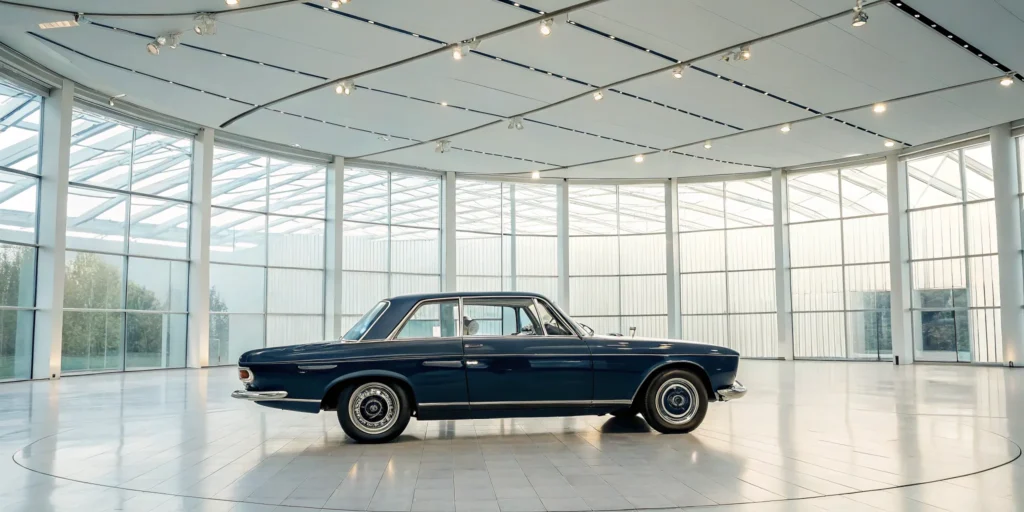
Your classic car is more than just a vehicle. It’s a passion project, a piece of history you’ve poured your heart and wallet into. But most standard insurance policies see it as just another car on the road, failing to account for rare parts or custom work. That’s where a classic car agreed value policy is different. It’s a true partnership. We work with you to lock in your car’s worth from day one. No surprises, no depreciation games—just the peace of mind that your investment is fully protected.
Key Takeaways
- Protect your investment with the right policy: Agreed value coverage is the only type that guarantees you receive a predetermined payout for a total loss, avoiding the depreciation calculations of standard insurance and the loopholes in stated value policies.
- Documentation is non-negotiable: To establish a fair agreed value, you need to provide clear evidence of your car’s worth. Come prepared with professional appraisals, comprehensive photos, and organized records of all restoration work and custom parts.
- Revisit your policy as your car’s value changes: After completing any significant restoration or upgrade, connect with your agent to adjust your agreed value. This simple step ensures your policy always reflects your car’s true, current worth.
What Is Agreed Value Insurance for a Classic Car?
If you own a classic car, you know it’s more than just a vehicle; it’s an investment and a passion. Standard auto insurance often falls short of protecting that investment because it’s designed for daily drivers that lose value over time. Agreed value insurance is a specialized coverage created specifically for classic, collector, and antique cars. With this type of policy, you and your insurance provider agree on your car’s value upfront, before the policy even begins.
This “agreed value” is the exact amount you will receive if your car is ever declared a total loss. This approach acknowledges that classic cars often appreciate, unlike modern vehicles. By locking in a value, you eliminate the risk of a claims adjuster determining your car is worth less than its market value after an accident. It’s a straightforward way to ensure your prized possession is covered for what it’s truly worth. You can explore specialized insurance solutions that provide this level of protection.
How Does Agreed Value Coverage Actually Work?
The mechanics of agreed value coverage are simple and transparent. When you set up your policy, you’ll provide documentation, like a professional appraisal, to establish your car’s value. Once that value is mutually agreed upon and written into your policy, it’s set for the term. If your car is stolen or damaged beyond repair, the insurance company pays you that full agreed-upon amount, minus your deductible. There’s no last-minute negotiation or debate over depreciation. This process provides clarity and financial security, ensuring you get the amount you expected from day one.
Why Standard Insurance Falls Short for Classic Cars
A standard auto policy calculates a payout based on “actual cash value” (ACV), which is the replacement cost minus depreciation. This formula works for typical cars but is completely inadequate for classics. Your vintage vehicle may have gained value due to its rarity, condition, or unique history. Regular insurance doesn’t account for this appreciation or the money you’ve invested in restorations and custom modifications. Agreed value insurance is essential because it treats your classic car like the unique asset it is, protecting its financial worth and giving you peace of mind.
Understanding the Core of a Classic Car Policy
While agreed value is the cornerstone of any great classic car policy, it’s just one piece of a comprehensive protection plan. These specialized policies are designed with the understanding that your vehicle isn’t a daily driver. Because of this, they often include specific usage guidelines, such as annual mileage limits and requirements for secure, enclosed storage. These aren’t meant to limit your enjoyment but to reflect how a cherished vehicle is typically used. In fact, these provisions are what help make classic car insurance so affordable. By confirming the car is used for pleasure and stored safely, insurers can offer premium rates that are often significantly lower than a standard policy for a vehicle of similar worth.
The foundation of your policy is the value you and your insurer agree upon, which is why thorough documentation is so important. To protect your investment, you’ll need to supply professional appraisals, detailed photos, and records of restoration work. But this isn’t a one-and-done task. As you continue to restore or upgrade your car, its value will likely increase. It’s vital to revisit your policy after any significant improvements to adjust your agreed value. A quick call to your agent ensures your coverage accurately reflects the car’s current worth, so you’re never underinsured. At Feld Insurance, we can help you review your policy to make sure your protection keeps pace with your passion.
Standard Coverages You Still Need
A classic car policy bundles the specialized agreed value protection with the essential coverages you’d find on a standard auto policy. You’ll still need liability coverage, which protects you financially by covering bodily injury and property damage if you’re at fault in an accident. Comprehensive coverage is also critical, as it protects your car from non-collision events like theft, fire, vandalism, or storm damage—all real risks for a valuable vehicle. Collision coverage handles repair costs if your car is damaged in an accident. These coverages provide a complete safety net, ensuring that whether your car needs minor repairs or is declared a total loss, your policy responds appropriately and protects your finances.
Agreed Value vs. Other Insurance Types
When you insure a standard car, the policy is usually straightforward. But for a classic car, the way its value is calculated can make a world of difference if you ever need to file a claim. Understanding the distinction between agreed value, actual cash value, and stated value is the key to making sure your prized possession is properly protected. These terms might sound similar, but they lead to very different outcomes. Let’s break down what each one means for you and your vehicle.
What’s the Difference: Agreed Value vs. Actual Cash Value?
Most standard auto policies use Actual Cash Value (ACV) to determine a payout. With an ACV policy, an insurer calculates your car’s worth at the time of the loss, factoring in depreciation from age, mileage, and wear and tear. This works for a daily driver that loses value over time, but it’s a major problem for classic cars. Your meticulously restored classic might be worth more now than when it was new, but an ACV calculation won’t see it that way. Agreed value coverage flips the script. You and your insurer agree on your car’s value upfront, and that exact amount is what you’ll be paid if it’s a total loss, with no last-minute deductions for depreciation.
What’s the Difference: Agreed Value vs. Stated Value?
This is where things can get tricky. Stated value sounds a lot like agreed value, but it contains a critical catch. With a stated value policy, you tell the insurance company what you believe your car is worth. However, in the event of a total loss, the insurer reserves the right to pay the lesser of your stated value or the car’s actual cash value. This means you could end up with a much smaller payout than you expected. An agreed value policy, on the other hand, is a firm handshake. The value is locked in, guaranteeing you receive the full, predetermined amount.
Which Option Best Protects Your Classic Car?
For anyone who owns a classic, collector, or custom vehicle, agreed value insurance is the clear winner. It’s the only option that truly protects your car’s unique worth and the investment of time and money you’ve put into it. While standard policies are designed for depreciating assets, your classic car is different. It deserves coverage that recognizes its place in the collector market. Choosing an agreed value policy gives you the certainty that your investment is secure. This peace of mind allows you to enjoy your classic car without worrying if your insurance will come through when you need it most. If you’re ready to get the right protection, we can help you find a policy tailored to your vehicle.
The Key Benefits of Classic Car Agreed Value Insurance
Your classic car is more than just a vehicle; it’s a passion project, a piece of history, and a significant investment. Standard auto insurance often fails to recognize this, treating your collector car like any other vehicle on the road. That’s why choosing the right coverage is so important. Agreed value insurance is designed specifically for classic and custom cars, ensuring your hard work and dedication are financially protected. It provides a level of certainty that standard policies can’t match, giving you the freedom to enjoy your classic without worrying about its security.
Get Paid Your Car’s Full Value, Not a Depreciated Amount
One of the biggest pitfalls of standard auto insurance is how it handles value. Most policies are based on “actual cash value,” which means in the event of a total loss, your payout is based on the car’s original price minus depreciation. While this works for a typical car that loses value over time, it’s a terrible fit for a classic car. Collector vehicles often appreciate, becoming more valuable with each passing year. An agreed value policy protects your investment from the standard depreciation model. We’ll agree on your car’s value upfront, and that exact amount is what you’ll be paid if it’s a total loss, no questions asked.
Lock In Your Classic Car’s Financial Worth
An agreed value policy is the best way to protect the true financial worth of your classic car because it accounts for everything that makes your vehicle special. This includes custom work, professional restorations, and rare parts that contribute to its market value. Unlike other policies that might overlook these details, an agreed value policy guarantees you’ll receive the full amount we decided on together. This ensures your entire investment is covered, from the chrome trim to the custom engine. It’s the most reliable way to secure the financial value of your collector car and make sure you’re properly compensated if something happens.
Enjoy Peace of Mind as a Classic Car Collector
As a collector, you deserve to enjoy your car without a cloud of financial risk hanging over your head. Agreed value coverage offers exactly that: peace of mind. The process starts with a simple conversation where we work with you to determine your car’s fair market value. Once that value is locked in, you can drive, show, and cherish your vehicle knowing it’s fully protected for its true worth. There’s no guesswork or stressful negotiations during a claim. If you’re ready to get coverage that truly understands your needs, you can contact our team at Feld Insurance to get started.
Do You Qualify? Eligibility and Policy Rules
Classic car insurance is a specialized product, which means it comes with its own set of rules. These requirements aren’t meant to be hurdles; they’re in place to ensure the policy is used for its intended purpose—protecting a cherished collectible that isn’t a daily driver. This focus is what helps keep premiums affordable while providing superior coverage. Before you can lock in that agreed value, you’ll need to make sure your car, your driving habits, and your storage situation fit the typical profile of a classic car owner. While every provider has slightly different guidelines, most look for a similar set of qualifications that demonstrate you and your vehicle are a good fit for this type of specialized protection.
Vehicle Age and Usage Restrictions
First, let’s talk about the car itself. Generally, a vehicle must be at least 25 years old to be considered a classic, though this can also include antique cars, exotic models, and certain newer collector vehicles. The most important rule, however, revolves around how you use it. Classic car insurance is designed for pleasure use only. Think weekend cruises, club events, and trips to the local car show. It is not intended for daily driving, commuting to work, or running errands. This distinction is critical because it confirms the car’s status as a hobby vehicle, which is the entire basis for this type of policy.
Secure Storage and Mileage Limits
How you store your classic car is just as important as how you drive it. Insurers will almost always require you to keep the vehicle in a secure, fully enclosed, and locked location, such as a private garage or a dedicated storage unit. Leaving it parked in a driveway or under a carport won’t meet the requirement. This rule helps protect your investment from theft, vandalism, and weather damage. Additionally, many policies come with annual mileage limits. These limits are usually generous enough for hobbyist use but reinforce the idea that the car is not your primary mode of transportation.
Driver and Daily Vehicle Requirements
Insurers also have requirements for the driver. Many policies require drivers to be at least 25 years old and have a clean driving record, free of major violations. This helps ensure a responsible individual is behind the wheel of such a valuable asset. Furthermore, you will need to prove that you own and insure another vehicle for your daily transportation needs. Having a separate daily driver is non-negotiable for most classic car policies. It serves as clear proof to the insurance company that your classic car is truly for pleasure use. The specifics can vary, so it’s always a good idea to discuss your situation with an agent to find the right fit.
Beyond Agreed Value: Specialized Coverage Options
While agreed value is the heart of a classic car policy, true comprehensive protection comes from the specialized coverages designed for the unique needs of collectors. These are not your standard auto insurance add-ons. Instead, they address specific scenarios that only a classic car owner would face, from protecting a collection of rare spare parts to ensuring your car gets the right kind of tow after a breakdown. These thoughtful extras provide a complete safety net, covering not just the car itself but the entire hobby surrounding it. Understanding these options helps you build a policy that offers true peace of mind.
Protection for Spare Parts and Restorations
If you’re a serious collector, you likely have a stash of spare parts for your vehicle. Whether it’s a rare piece of trim or a backup engine component, this inventory can be incredibly valuable. Spare Parts Coverage helps pay to replace these parts if they are lost, stolen, or damaged. Similarly, Restoration Coverage protects your car while it’s a work in progress. This coverage can increase the insured value of your vehicle in stages as you complete a restoration, ensuring your investment is protected even before the project is finished. It’s a smart way to cover your car’s evolving value.
Specialized Roadside Assistance
When a classic car breaks down, you can’t just call any tow truck. The last thing you want is for a standard hook-and-chain tow to damage your car’s custom paint job, low-profile body, or delicate chassis. Specialized roadside assistance for classic cars understands this. This coverage often includes guaranteed flatbed towing, which lifts the vehicle completely off the ground, preventing potential damage during transport. It’s a small but crucial detail that shows the policy is built by people who understand and respect the unique needs of collector vehicles, ensuring your car is handled with care when it’s most vulnerable.
Coverage for Automobilia and OEM Parts
Your passion for cars might extend beyond the vehicle itself. Automobilia Coverage is a unique option that protects related collectibles, such as vintage signs, original owner’s manuals, branded tools, or model cars that are part of your collection. In the same spirit of authenticity, many policies offer coverage for Original Equipment Manufacturer (OEM) parts. This helps cover the higher cost of sourcing original or hard-to-find specialty parts for repairs, rather than forcing you to use cheaper, modern aftermarket alternatives. These specialized insurance solutions ensure your car can be restored to its authentic condition.
Car Show Protection and Cherished Salvage Options
A classic car policy can protect you even when your car is parked. Car Show Protection can cover liability at an event, such as medical payments if someone is accidentally injured near your vehicle display. One of the most valuable options is Cherished Salvage, also known as the “right to keep.” If your car is declared a total loss, a standard policy would take the vehicle. With this option, you can choose to keep your classic car—perhaps for sentimental reasons or to salvage parts for a future project—while still receiving the full agreed value payout from the insurer.
What Documents Do You Need for Agreed Value Coverage?
When you insure a classic car, you’re not just protecting a vehicle; you’re protecting a piece of history, a passion project, and a significant investment. To establish an agreed value policy, your insurance provider will need to verify your car’s worth. This isn’t about guesswork. It’s a collaborative process where you provide clear evidence to support the value you and the insurer agree upon. Having your paperwork in order from the start makes everything smoother and ensures you get the right coverage. Think of it as creating a portfolio for your car that showcases its true value. Let’s walk through the key documents you’ll need to have ready.
Start with a Professional Appraisal
The most important document you can have is a professional appraisal. This is a formal valuation conducted by a certified expert who specializes in classic, antique, or collector cars. An appraiser will thoroughly inspect your vehicle, research its history, and compare it to current market data to determine an accurate, defensible value. Most insurance companies, including us here at Feld Insurance, see a professional appraisal as the gold standard for setting an agreed value. It provides an unbiased, expert opinion that removes ambiguity and helps justify the coverage amount. When looking for an appraiser, seek out someone with credentials from a recognized organization to ensure their report is credible and comprehensive.
Proving Your Car’s Condition with Photos and Reports
A picture is worth a thousand words, especially when it comes to your classic car. You’ll need to provide a set of recent, high-quality photos that document your vehicle’s current condition. Don’t just snap a few pictures with your phone. Take detailed shots from every angle: front, back, both sides, the interior, the engine bay, the trunk, and even the undercarriage. Be sure to capture any unique features or modifications. These images serve as a visual time-stamp, proving the car’s condition when the policy begins. This visual evidence is incredibly helpful for your insurer and can be a critical reference point if you ever need to file a claim.
Your Records for Modifications and Restorations
If you’ve put time, money, and effort into restoring or modifying your classic car, you need the records to prove it. This is where your meticulous record-keeping pays off. Compile a complete file of every receipt for parts and labor, from a full engine rebuild to a custom paint job. A detailed spreadsheet tracking your expenses, a build sheet from the restoration shop, and photos documenting the process all help build a strong case for your car’s value. This paper trail shows the real-world investment you’ve made, which often goes far beyond the car’s base value. This documentation is essential for justifying a higher agreed value that truly reflects the quality and craftsmanship of your vehicle.
How to Accurately Determine Your Car’s Agreed Value
Figuring out what your classic car is truly worth is the most important step in getting the right insurance. Unlike a standard car, a classic’s value isn’t just a number in a book; it’s a reflection of its history, condition, rarity, and the passion you’ve poured into it. The goal is to land on a fair, accurate number that you and your insurance provider both agree on before a policy is written. This ensures that if the worst happens, you’re covered for what your car is actually worth, not what a standard depreciation table says. It’s about making sure your hard work and investment are properly recognized from day one.
This process is a partnership between you and your insurer. You bring your knowledge of the car, its history, and its unique qualities, while the insurer brings their expertise in market trends and risk assessment. Together, you’ll establish a value that protects your investment and gives you confidence on the road. To get there, you’ll likely use a combination of professional appraisals, market research, and a detailed assessment of your car’s condition. Being prepared with solid documentation and a realistic understanding of your car’s value makes the entire process smoother and ensures you get the protection you need. It’s less about haggling and more about presenting a clear, well-supported case for your car’s value.
What to Expect During a Professional Appraisal
One of the most reliable ways to determine your car’s value is through a professional appraisal. An independent, certified appraiser will conduct a thorough inspection of your vehicle, examining everything from the paint and bodywork to the engine’s authenticity and the interior’s condition. They compare your car against current market data, recent auction sales, and their own expertise to produce a detailed report outlining its fair market value. While your insurance provider may not always require a formal appraisal, it provides a powerful, unbiased document that supports the value you’re seeking. It’s an investment that can provide significant peace of mind and clarity for both you and your insurer.
The Role of Insurer-Approved Appraisers
While you can hire any appraiser, some insurance providers maintain a list of approved or recommended professionals. This isn’t meant to limit your options, but to ensure the valuation comes from a trusted, credible source whose methods and expertise are known and respected. Here at Feld Insurance, we see this as a way to streamline the process for everyone. When you work with an appraiser we trust, we know their report will be thorough, unbiased, and based on current market data. This eliminates back-and-forth and helps us quickly agree on a value for your policy. It’s a collaborative step that ensures the appraisal holds up and provides a solid foundation for your comprehensive coverage, giving both you and your insurer confidence in the final number.
Backing Up Your Value with Market Data
You can also do some homework to get a strong sense of your car’s value. Start by exploring online resources that track classic car sales. Websites for major auction houses like Mecum and Barrett-Jackson list past sales results, giving you real-world examples of what similar cars have sold for. There are also excellent online valuation tools from classic car insurers and publications that can provide a solid baseline. By gathering this data, you can have an informed conversation with your insurance agent and feel confident that the agreed value accurately reflects the current market. This research empowers you to be an active participant in the valuation process.
How to Handle Valuation Disagreements
What if the insurance company doesn’t agree with my car’s value? It’s a common concern, but it’s rarely a roadblock. If there’s a difference in opinion, think of it as the start of a conversation, not a conflict. This is where your preparation truly shines. The best way to bridge any gap is with clear, organized documentation. A professional appraisal from a certified expert is your strongest asset, as it provides an unbiased, market-based valuation. When you back that up with detailed photos and a complete record of restoration expenses, you’re not just stating a value—you’re proving it. This process is a partnership, and the goal is to land on a number that accurately reflects your investment. If you’re ready to start that conversation, our team is here to provide trusted guidance and find a solution that works for you.
Key Factors That Influence Your Car’s Value
The physical condition of your car is a huge factor in its value. This is where meticulous record-keeping pays off. Every receipt from a restoration, every photo documenting its original state, and every service record helps build a complete picture of your car’s history and quality. Insurers will look at several key areas: the quality of the paint and body, the originality of the parts, the condition of the interior, and the mechanical soundness of the engine and drivetrain. Having a well-organized binder with detailed records, spreadsheets, and plenty of photos can effectively prove your car’s value and justify the agreed value you’re aiming for.
Revisiting Your Agreed Value at Renewal
Your classic car’s value isn’t static, and your insurance policy shouldn’t be either. While the agreed value is locked in for the term of your policy, it’s important to remember that it’s not a “set it and forget it” number. The collector car market can change, and more importantly, you might continue to invest in your vehicle. Did you just finish a major engine upgrade or a professional restoration? Those improvements add real value to your car, and your policy should reflect that. At renewal time, it’s the perfect opportunity to have a conversation with your agent. By revisiting your agreed value, you ensure your coverage keeps pace with your car’s evolving worth, so your investment remains fully protected.
What to Expect When Filing an Agreed Value Claim
Understanding how your insurance works when you need it most is essential. Filing a claim can feel stressful, but knowing what to expect makes the process much smoother. With an agreed value policy, the steps depend on whether your classic car is considered a total loss or has sustained partial damage. In either case, the goal is to get you back on track while honoring the unique value of your vehicle. Let’s walk through how these claims are handled so you can feel prepared.
What Happens in a Total Loss Scenario?
If your classic car is stolen or damaged so severely that it’s considered a total loss, an agreed value policy offers the most straightforward protection. This is where your preparation pays off. The insurance payout will be the full amount that you and your insurer agreed upon when your policy began. There’s no last-minute haggling or frustrating debate over depreciation. Unlike a standard auto policy that pays the “actual cash value,” an agreed value policy sets the vehicle’s value in advance and pays that full amount. This ensures you receive a settlement that truly reflects your car’s worth as a cherished classic.
How Are Partial Damage Claims Paid?
When your classic car is damaged but repairable, the claim process works a bit differently. For partial damage, the focus shifts from the car’s total agreed value to the cost of the repairs needed to restore it to its former condition. An insurance adjuster will assess the damage to determine the scope and cost of the necessary work. The settlement will cover these repair costs, allowing you to take your car to a trusted specialist. While the agreed value of your policy confirms the car’s overall worth, partial damage claims are centered on making you whole by fixing the specific damage that occurred.
How to Work with Your Adjuster and Appraiser
During any claim, you’ll work closely with an insurance adjuster and possibly an appraiser. The appraiser’s job is to inspect the vehicle and determine the actual cash value of the damage, providing a professional assessment. The adjuster then uses this information to manage your claim and present a settlement offer. To ensure a fair and smooth process, it helps to be prepared. Have your own documentation handy, including the professional appraisal you used to set the agreed value, photos of your car, and any restoration records. Clear communication with your insurance team at Feld Insurance is the best way to reach a fair resolution and get your classic car back in pristine condition.
How to Choose the Right Classic Car Insurance Company
Finding the right insurance provider is about more than just comparing quotes. You need a partner who understands that your classic car is not just a vehicle, but a passion and an investment. The right insurer will appreciate its unique value and offer coverage that truly protects it. When you start your search, focus on providers who specialize in classic cars and have a proven track record. Taking the time to find the right fit ensures that if you ever need to file a claim, the process will be smooth and fair.
Prioritize Insurers with Classic Car Expertise
Not every insurance company gets the nuances of classic cars. You want a provider with specific expertise in this area. A specialist will understand the collector car market and offer policies designed for vehicles like yours. The most important of these is agreed value coverage, which ensures your car is insured for its real worth. An expert provider will work with you to determine that value upfront, so there are no surprises. They’ll know what questions to ask, making the process feel collaborative rather than transactional.
How Do They Handle Claims? Check Their Reputation
An insurance policy is only as good as the company’s ability to handle a claim. Before you commit, do some research on the provider’s reputation. Look for reviews and testimonials from other classic car owners. A great reputation for fair and efficient claims processing is a strong indicator that you’ll be in good hands. Remember, each insurance company has its own process for handling claims. You want a partner known for being reasonable and supportive when you need them most.
Take a Close Look at Your Coverage Options
When protecting a high-value collector vehicle, agreed value insurance is the best choice. It’s designed to protect your full investment by locking in the car’s value at the start of your policy. This gives you certainty that you’ll receive the full agreed-upon amount in a total loss. As you review your options, make sure the provider clearly explains how their policy works. Don’t hesitate to ask questions about deductibles, mileage limitations, and what’s covered. A transparent agent will make sure you get the exact protection you need.
Examples of Specialist Insurers
While we help our clients find the perfect policy for their needs, it’s helpful to know some of the key players in the classic car insurance world. Companies like American Collectors Insurance have been focusing on classic cars since 1976, building a strong reputation for customer service. Others, like Hagerty, are frequently recommended by collectors because they truly understand the market and what makes these cars valuable. You’ll also hear about providers like Grundy, known for making it simple to get an agreed value with just a few photos. Knowing these names gives you a great starting point for a conversation about which provider is the best fit for your specific vehicle and how you use it.
Finding Potential Savings and Discounts
Protecting your classic car with the right policy doesn’t have to break the bank. In fact, specialized classic car insurance can often be more affordable than a standard policy, with some owners saving up to 40%. Beyond the lower base premium, there are other ways to save. Many specialist insurers offer perks like zero-deductible options for smaller claims, such as windshield repairs. You might also qualify for a discount if you belong to a recognized car club. When we work with you, our goal is to find every discount you’re eligible for, ensuring you get comprehensive protection at a competitive rate.
Common Mistakes to Avoid with Agreed Value Policies
Agreed value insurance is one of the best ways to protect your classic car, but a few common missteps can prevent you from getting the full benefit of your policy. When you understand these potential pitfalls, you can take simple steps to make sure your coverage works exactly as it should. The most frequent errors include setting an unrealistic value for your vehicle, failing to provide sufficient documentation to back it up, and forgetting to update your policy as your car’s value changes over time. By paying attention to these key areas, you can ensure your investment is properly protected and avoid any surprises if you ever need to file a claim.
Avoid Setting an Unrealistic Value
When you purchase an agreed value policy, you and your insurance company will work together to determine your car’s worth. This often involves submitting photos, historical documents, or a professional appraisal. The goal is to land on a number that accurately reflects your car’s true market value. Some owners make the mistake of either overvaluing or undervaluing their vehicle. If you set the value too high, you’ll pay for more coverage than you need. If you set it too low, you won’t receive a fair payout in the event of a total loss. A professional appraisal is your best tool for establishing a realistic and defensible value from the start.
Avoid Providing Incomplete Documentation
The agreed value you set isn’t just an arbitrary number; it needs to be supported by clear evidence. A common mistake is not keeping thorough records that prove your car’s worth. To build a strong case for your car’s value, you should maintain a detailed file with receipts from restoration work, spreadsheets tracking expenses, and plenty of photos documenting its condition before, during, and after any upgrades. This documentation is essential for the initial underwriting process and becomes incredibly important if you need to file a claim. Having these records organized and ready makes the entire process smoother and helps substantiate your car’s value without question.
Don’t Forget to Update Your Agreed Value
A classic car is rarely a static asset. Its value can change significantly over time, especially if you invest in it. If you complete a major restoration, install a new engine, or make other significant upgrades, your car’s value will likely increase. Forgetting to update your agreed value policy to reflect these improvements can leave you underinsured. It’s a good practice to review your coverage with your agent after any major work is done. You should also check in on your policy every few years to account for market fluctuations, ensuring it keeps pace with your car’s true worth and giving you confidence that your investment is secure.
Clearing Up Misconceptions About Agreed Value Insurance
When you’re looking into insurance for a classic car, the terminology can feel a little overwhelming. Words like “stated value” and “agreed value” are often used, and it’s easy to assume they mean the same thing. Unfortunately, that confusion can lead to major disappointment if you ever need to file a claim. Understanding these key differences is crucial for making sure your prized vehicle is properly protected.
Let’s clear up some of the most common misunderstandings surrounding agreed value insurance. Knowing the facts will help you choose a policy that truly honors your car’s worth and gives you confidence on the road. We’ll look at the critical distinction between stated and agreed value policies and tackle the question of whether the payout is really guaranteed. This way, you can be sure you’re making an informed decision that protects your investment for years to come.
Don’t Confuse Stated Value with Agreed Value
On the surface, “stated value” and “agreed value” sound almost identical, but they function very differently at the time of a claim. With a stated value policy, you tell the insurance company what your car is worth. However, this amount is not a guarantee. If your car is totaled, the insurer reserves the right to pay the stated value or the actual cash value, whichever is less. This means you could end up with a much smaller payout than you expected.
In contrast, an agreed value policy locks in your car’s worth. You and the insurer agree on a specific value when the policy begins, and that exact amount (minus your deductible) is what you’ll receive if the car is a total loss. This is the key difference and why it’s the preferred type of auto insurance for classic and collector vehicles.
Is the Payout Really Guaranteed?
One of the biggest questions classic car owners have is whether the “agreed value” is truly what they’ll receive. The answer is yes, and that’s the fundamental benefit of this coverage. The myth isn’t that the payout is guaranteed; it’s that people often confuse it with other policies where the payout can change. With a true agreed value policy, the amount listed is the amount you get for a total loss.
This guarantee eliminates any debate over depreciation or current market fluctuations. Your car’s value is secured from the day your policy starts. It provides the ultimate peace of mind, ensuring that the financial worth of your investment is fully protected. If you want to confirm your vehicle qualifies for this coverage, you can talk to one of our specialists to review your options.
How to Get the Right Agreed Value Policy for Your Classic
Ready to make sure your classic car is properly protected? Getting started with agreed value insurance is a straightforward process that gives you total clarity on your coverage. Unlike standard auto policies, this is a special type of coverage designed specifically for classic or collector cars. The main goal is to establish a firm, agreed-upon value for your vehicle before the policy even begins, so there are no surprises if you ever need to file a claim for a total loss.
The first step is working with an insurance provider to determine your car’s value. You’ll need to provide documentation that proves its worth, which can include a professional appraisal, detailed photos from every angle, and records of its history, restoration, or any special modifications. Your insurer will review this information with you to land on a number that you both agree on. This collaboration ensures the final value accurately reflects what makes your car special. Once set, that agreed-upon amount is exactly what you’ll receive in the event of a total loss, minus your deductible.
It’s also a good idea to keep your policy current. If you invest in significant upgrades, like a new engine or a custom paint job, these improvements can increase your car’s value. Be sure to let your insurance agent know about these changes so you can adjust your policy accordingly. This keeps your coverage aligned with your car’s true worth. If you have questions or are ready to begin this process, our team at Feld Insurance is here to help you find the right classic car coverage for your prized possession.
Frequently Asked Questions
Is agreed value insurance really that different from my standard auto policy? Yes, it’s fundamentally different. Your standard policy is designed for a daily driver that loses value over time and pays out the “actual cash value” after an accident, which includes a deduction for depreciation. Agreed value insurance does the opposite. It recognizes that your classic car is an asset that often appreciates, so we lock in its value upfront. That locked-in amount is exactly what you receive for a total loss, with no arguments over depreciation.
Do I absolutely need a professional appraisal to get this type of insurance? While a professional appraisal is the strongest piece of evidence you can have, it isn’t always a strict requirement. It often depends on the car and the insurer. However, providing one makes the process much smoother and gives both you and the insurance company total confidence in the value. If you don’t have a formal appraisal, we can often work with extensive photo documentation, restoration receipts, and recent sales data for similar models to establish a fair value.
What happens if my car’s value increases after I start the policy? This is a great question and something every classic car owner should think about. If you complete a major restoration or make significant upgrades that increase your car’s market value, you should contact your agent right away. We can review the new value of your vehicle and adjust your policy. This ensures your coverage keeps up with your investment, so you’re never underinsured.
I’ve heard of ‘stated value’ insurance. Isn’t that the same thing? This is a common and critical point of confusion. Stated value and agreed value are not the same. With a stated value policy, the insurance company can choose to pay you the lesser of your stated amount or the car’s actual cash value at the time of a loss. An agreed value policy is a firm commitment. The value we agree on at the start is the exact amount you will be paid for a total loss, period.
Is agreed value insurance more expensive than a standard policy? The cost can vary, but it’s important to think about what you’re paying for. While the premium might be different from a standard policy, you are buying certainty. You’re paying to protect the full, true value of your investment without the risk of depreciation reducing your payout. For most collectors, the peace of mind that comes from knowing their car is properly covered for its actual worth makes it a valuable and necessary expense.