

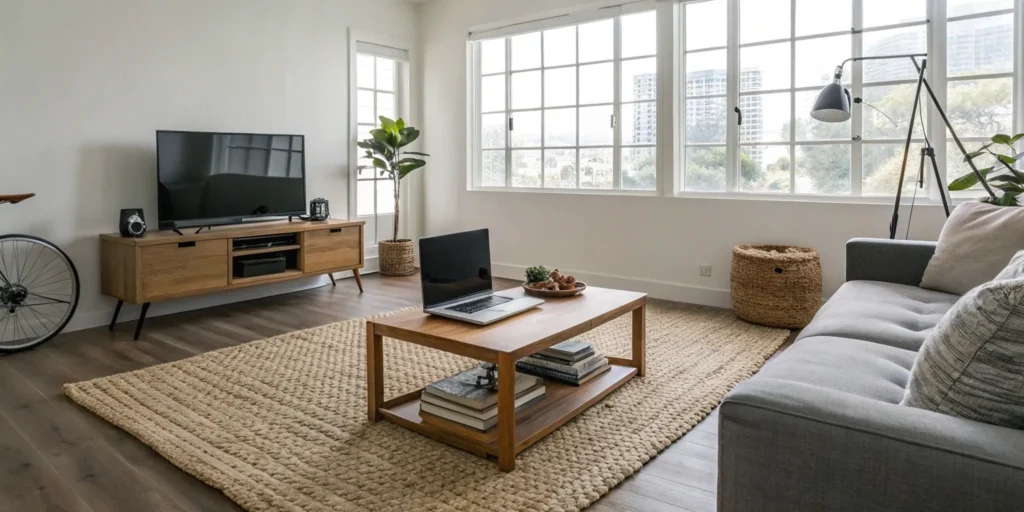
Your home should be your sanctuary, but renting can come with a unique set of uncertainties. A faulty wire in the wall, a leaky pipe from the apartment above, or even a simple accident can turn your life upside down in an instant. While your landlord is responsible for the building, they aren’t responsible for your personal well-being or your belongings. That’s why renters insurance exists. It’s more than just a policy; it’s a promise of security that ensures if the unexpected happens, you have the financial support to recover. Finding the best renters insurance coverage is about buying peace of mind, and this guide will show you exactly how to do it, step by step.
Key Takeaways
- Protect what your landlord’s policy won’t: Renters insurance is essential because it covers your personal belongings, protects you from liability if an accident happens in your home, and helps pay for temporary housing if your rental becomes unlivable.
- Customize your policy to fit your life: Determine the right amount of coverage by creating a home inventory to value your belongings, selecting a liability limit that protects your assets, and adding specific protection for valuable items that exceed standard limits.
- Find the best value with smart strategies: Lower your premium by bundling policies, asking for discounts for safety features in your home, and choosing a higher deductible. Always compare quotes based on equal coverage levels, not just the final price, to ensure you’re getting a great deal.
What is Renters Insurance (and Why is it a Must-Have)?
If you rent your home, you might think your landlord’s insurance policy has you covered. But here’s the reality: their insurance protects the building, not the life you’ve built inside it. That’s where renters insurance comes in. Think of it as a financial safety net for you and your belongings. It’s an affordable policy designed to protect you from the unexpected, whether that’s a kitchen fire, a break-in, or a guest taking a tumble in your living room.
Without it, you’d be on your own to replace everything you own or cover legal and medical bills if an accident happens. Renters insurance is one of the smartest and most affordable ways to protect your finances and give yourself peace of mind. It generally covers three key areas: your personal belongings, your personal liability, and any extra living expenses if your rental becomes uninhabitable. Let’s look at what that means for you.
Protect Your Belongings
Take a quick mental inventory of your apartment: your laptop, your couch, your TV, your clothes, your bike. Now, imagine having to replace all of it at once out of your own pocket. That’s the situation you could face after a fire, a burst pipe, or a theft. Renters insurance is designed to prevent that financial disaster. It helps cover the cost of repairing or replacing your things if they’re damaged or stolen. This coverage isn’t just for big-ticket items; it protects the wide range of personal property you own, from furniture to electronics, ensuring you can get back on your feet without draining your savings.
Cover Yourself with Liability Protection
Accidents happen, but liability coverage ensures they don’t turn into a financial catastrophe. This part of your policy protects you if you’re found responsible for injuring someone or damaging their property. For example, if a guest slips and falls in your apartment, liability coverage can help pay for their medical bills. Or, if you accidentally leave the sink running and it floods your neighbor’s unit below, it can cover the repair costs. This is the kind of necessary protection a security deposit simply doesn’t provide, as it also helps cover legal expenses if you’re sued. It’s all about protecting your assets and your future.
Secure a Place to Stay with Additional Living Expenses
What would you do if a fire or major storm damage made your rental unlivable? Finding and paying for a last-minute hotel or a temporary rental can be incredibly expensive and stressful. That’s where Additional Living Expenses (ALE) coverage, sometimes called “loss of use,” becomes a lifesaver. If a covered event forces you out of your home, this part of your policy helps pay for expenses like hotel bills, temporary rent, and even the cost of meals. It ensures you have a safe place to stay while your home is being repaired, so you can focus on getting life back to normal without the added financial burden of paying for temporary housing on top of your regular bills.
How to Choose the Right Renters Insurance Company
Once you know you need renters insurance, the next step is finding the right company. It’s about more than just picking the cheapest option. You want a partner who understands your needs, offers real support when you need it most, and provides a policy that genuinely protects your life. Think of it as choosing a reliable teammate who has your back, no matter what.
Look for Personalized Protection That Fits Your Life
Your life isn’t generic, so your insurance policy shouldn’t be either. The best renters insurance is tailored to cover what you actually own. Take a moment to think about your belongings. Do you have an expensive bike, a collection of vintage vinyl, or special jewelry? A standard policy might not fully cover these items. Look for a company that offers personalized insurance solutions and allows you to add extra protection for your most valuable possessions. This ensures you have the financial safety net you need if something happens to the things that matter most to you.
Find a Team That’s There When You Need Them
When you’re dealing with a stressful situation like a theft or fire, the last thing you want is to battle an automated phone system. The quality of a company’s customer service is just as important as its coverage. You need a team that will pick up the phone, answer your questions, and guide you through the claims process with compassion and clarity. Look for an agency that provides trusted guidance and has a reputation for being responsive and helpful. A great team can make a difficult experience feel much more manageable.
Get Coverage That Fits Your Budget
Many people overestimate the cost of renters insurance, but you might be surprised at how affordable it is. The national average is often less than the price of a few fancy coffees a month. Don’t let a tight budget stop you from getting essential protection. A good insurance provider will work with you to find a policy that delivers the coverage you need at a price you can handle. The peace of mind that comes from knowing your belongings are protected is well worth the small monthly premium. You can easily get a quote to see just how budget-friendly it can be.
What Should Your Renters Insurance Policy Cover?
When you’re looking for renters insurance, it’s easy to focus on the monthly price. But the real value of a policy is in its coverage. A great policy acts as a financial safety net, protecting your belongings, your savings, and even your temporary living situation if something goes wrong. Understanding the key components of a policy helps you choose protection that truly fits your life. Let’s break down the four essential types of coverage you should look for.
Get Paid to Replace Your Stuff: Replacement Cost vs. Actual Cash Value
Imagine your three-year-old laptop is stolen. “Actual cash value” coverage would pay you what that used laptop was worth today. “Replacement cost” coverage, however, gives you enough money to buy a brand new, similar model. When shopping for a policy, always opt for replacement cost. This ensures that if you have a covered loss, you’ll receive enough to replace your items at their current price without paying out of pocket. It’s a critical detail that makes a huge difference when you need to rebuild.
Protect Yourself with the Right Liability Coverage
Accidents happen, and if one occurs in your apartment, you could be held responsible. Liability coverage is the part of your policy that protects you if someone is injured at your home. It can help cover medical bills and potential legal costs if you’re sued, saving you from a major financial setback. Remember, your landlord’s insurance only covers the building itself, not your personal liability. This coverage is all about protecting you and your financial future from the unexpected.
Stay Afloat with Loss of Use Coverage
If a fire or major water leak makes your rental uninhabitable, where would you go? This is where “loss of use” coverage comes in. This part of your policy helps pay for necessary additional living expenses, like a hotel room and meals, while your home is being repaired. It’s designed to help you maintain your normal standard of living when you’re temporarily displaced. This coverage provides incredible peace of mind, ensuring you have a safe place to stay without draining your savings during an already stressful time.
Add Extra Protection for Valuables
Your standard renters policy is great for most items, but it often has low coverage limits for valuables like jewelry, fine art, or high-end electronics. If you own items worth more than the standard limit (often around $1,500), you’ll want to add extra protection. You can do this by “scheduling” your valuables with an endorsement or a floater policy. This provides specific, separate coverage for your most prized possessions, making sure they are fully protected if lost, stolen, or damaged. It’s a simple step to ensure everything you value is properly covered.
How Much Does Renters Insurance Cost?
One of the best things about renters insurance is how affordable it is, especially when you consider the peace of mind it provides. Most people are surprised to find out they can protect all their belongings for about the cost of a few fancy coffees each month. The national average for renters insurance is around $151 per year, which breaks down to roughly $13 a month.
Of course, your final price depends on a few key things, like where you live and how much coverage you choose. Think of it less like a fixed price and more like a custom plan designed just for you. Let’s break down what goes into that number so you can get a clearer picture of what your policy might cost.
See How Your Coverage Amount Affects Your Price
The biggest factor in your premium is the amount of coverage you select. The more protection you want for your personal belongings and the higher your liability limit, the more your policy will cost. For example, that average $13-a-month premium often includes about $30,000 in personal property coverage and $100,000 in liability protection. While it might be tempting to go with the lowest possible premium, make sure your coverage is enough to actually replace your things if something happens. A slightly higher monthly payment could save you thousands of dollars down the road.
What Factors Determine Your Premium?
Beyond your coverage limits, insurance companies look at a few other details to calculate your rate. Your deductible plays a big role; choosing a higher deductible (the amount you pay out of pocket on a claim) will usually lower your monthly premium. Your personal claims history and credit-based insurance score are also considered. Even safety features in your rental unit, like smoke detectors or a security system, can earn you a discount. Every detail helps paint a picture of your unique situation, which is why a personalized insurance solution is so important.
Does Your Location Change Your Rate?
Yes, where you live definitely impacts your renters insurance premium. Rates can vary from state to state, city to city, and even by ZIP code. Insurers consider local factors like crime statistics and the frequency of weather-related claims in your area. For instance, living in an area with a higher rate of theft might result in a slightly higher premium. But don’t let this worry you. Renters insurance remains incredibly budget-friendly, and in many places, you can find great coverage for as little as $10 a month. The best way to know for sure is to get a quote based on your specific address.
How Can You Save on Renters Insurance?
Renters insurance is one of the most affordable types of coverage you can buy, but that doesn’t mean you should overpay. Getting a great price on your policy is easier than you might think, and it often comes down to a few simple adjustments and asking the right questions. Smart strategies can lower your premium without forcing you to sacrifice important protection. Think of it as getting rewarded for the responsible choices you’re already making.
From combining your policies to having a fire extinguisher in your kitchen, there are several ways to find savings. Insurance companies want to work with responsible tenants, and they often offer discounts to reflect that. By taking a few proactive steps, you can make sure you’re getting the best possible rate for the coverage that protects your belongings and gives you peace of mind. We can help you explore all the available insurance solutions to find a policy that fits your life and your budget perfectly.
Bundle Your Policies for a Discount
One of the simplest and most effective ways to save money is by bundling your renters insurance with another policy, like your auto insurance. Most insurance providers offer a multi-policy discount when you trust them with more of your business. It’s a win-win: you get a lower overall price, and you get the convenience of managing your policies with a single provider. If you already have car insurance, ask your agent how much you could save by adding a renters policy. The discount is often significant enough to make your renters coverage feel practically free.
Get Rewarded for Safety Features
Your landlord isn’t the only one who appreciates you keeping your rental safe. Insurance companies often reward tenants who have protective devices installed in their homes. Things like smoke detectors, fire extinguishers, security alarms, and even deadbolt locks can translate into discounts on your premium. These features reduce the risk of theft or damage, which means you’re less likely to file a claim. When you get in touch with us, be sure to mention any safety and security features in your apartment or rental home so we can find every discount you deserve.
Find Savings for Loyalty and Payment Methods
Sometimes, saving money is all about how you pay. Many insurers offer a small discount if you choose to pay your entire annual premium at once instead of in monthly installments. This saves them administrative costs, and they pass that savings on to you. Similarly, signing up for automatic payments can sometimes shave a little off your bill. Don’t forget to ask about loyalty discounts if you’ve been with the same provider for a few years. These options aren’t always advertised, so it’s always a good idea to ask your agent what’s available.
How to File a Renters Insurance Claim
Dealing with damage or theft is stressful enough without having to worry about a complicated claims process. The good news is that filing a renters insurance claim is usually straightforward. Knowing the steps ahead of time can make a difficult situation feel much more manageable. Think of it as a simple checklist to follow to get things back on track. Here’s what you need to do, what you should prepare beforehand, and a few common missteps to avoid along the way.
Your Step-by-Step Guide to Filing a Claim
When something happens, your first priority is to make sure everyone is safe. Once the immediate situation is handled, you can start the claims process. Take a deep breath and follow these steps to get started:
- Document Everything: Before you clean up, take photos and videos of all the damage. Capture the scene from different angles and get close-ups of affected items. The more visual proof you have, the better.
- Notify Your Landlord: Let your landlord know what happened, especially if the building itself is damaged.
- File a Police Report (If Necessary): If your claim involves a crime like theft or vandalism, contact the police immediately and get a copy of the report for your records.
- Contact Your Insurance Company: The next step is to contact us at Feld Insurance. We’ll guide you through the specifics of your policy and explain what comes next.
Why a Home Inventory is Your Best Friend
A home inventory is simply a list of your personal belongings, along with their estimated value. Having one ready before you ever need to file a claim is one of the smartest things you can do. It serves as a detailed record that can make the process incredibly smooth, helping you prove what you owned and ensuring you get the right amount of compensation. You don’t need a fancy spreadsheet, either. The easiest way to create an inventory is to walk through your home and record a video of everything, narrating as you go. Open drawers and closets to capture everything you can. Save the video to the cloud so you can access it from anywhere.
Common Mistakes to Avoid When Filing
Filing a claim is a new experience for many people, and it’s easy to make a few mistakes. Being aware of these common slip-ups can help you have a much smoother experience. First, avoid providing incomplete documentation. This is why a home inventory and taking plenty of photos are so important. Second, don’t wait too long to file. Most policies require you to report a claim promptly, so start the process as soon as you can. Finally, make sure you understand what your policy covers. Taking a few minutes to review your coverage with your agent can prevent confusion and disappointment later. We’re always here to help you understand the details of your insurance services.
How to Compare Renters Insurance Policies
When you’re shopping for renters insurance, it’s tempting to just pick the policy with the lowest price tag. But the cheapest option isn’t always the best one for your needs. A great policy gives you confidence that you’re protected if something goes wrong, and that peace of mind comes from looking a little deeper.
Comparing policies means looking at the full picture: the coverage amounts, the company’s reputation, and the details hidden in the fine print. When you get a quote, you’re not just buying a price; you’re choosing a partner who will be there for you during a stressful time. Taking a few extra minutes to compare these key areas will help you find coverage you can truly count on.
Look Beyond the Price: What Do Reviews Really Say?
Getting several quotes is a smart first step, but make sure you’re comparing apples to apples. A policy might seem cheaper because it offers less personal property coverage or a lower liability limit. Before you decide based on price, check that each quote provides the same level of protection. Once you have comparable options, look at what real customers have to say.
Go beyond the star rating and read the reviews. Are people praising the quick and friendly service, or are they complaining about long wait times and unhelpful agents? Finding a team that provides trusted guidance can make all the difference. Look for comments about how the company handles questions and policy changes, as this often reflects how they’ll treat you during a claim.
Check the Quality and Speed of the Claims Process
Your insurance is only as good as its claims process. This is the moment of truth, and you want a company that makes it as painless as possible. When you file a claim, an adjuster will be assigned to review the damage and determine the payout. A great insurer will have a straightforward, transparent process that keeps you informed every step of the way.
Look for information on a company’s website about how to file a claim. Is it easy to find? Do they offer multiple ways to get in touch? The more prepared you are with photos and documentation, the smoother the process will be. Having an agent you can easily contact to ask questions and get help is a huge advantage when you’re trying to get back on your feet.
Read the Fine Print: What Isn’t Covered?
Every insurance policy has limits and exclusions, and it’s your job to know what they are before you sign up. Most standard renters policies cover your personal belongings, liability if someone is hurt in your home, and additional living expenses if you’re temporarily displaced. But what isn’t covered is just as important. For example, damage from floods and earthquakes is typically excluded and requires separate coverage.
Take a close look at the policy details. Are there limits on high-value items like jewelry or electronics? Does the liability coverage extend to incidents that happen away from home? Understanding these specifics helps you see the true value of your insurance options. Don’t be afraid to ask questions until you’re confident you know exactly what your policy does and doesn’t cover.
How Much Coverage Do You Actually Need?
Figuring out the right amount of renters insurance can feel like a guessing game, but it doesn’t have to be. The perfect policy isn’t a standard package; it’s one that’s built around your life and what you own. Think of it as a custom safety net. Too little coverage leaves you exposed if something goes wrong, while too much means you’re overpaying.
To find that sweet spot, you need to look at three key areas: your personal belongings, your potential liability, and what it would cost to live somewhere else temporarily. Taking the time to calculate these numbers is the most important step you can take toward getting a policy that gives you real peace of mind. Once you have an idea of what you need, our team can help you find a personalized insurance solution that fits just right. Let’s walk through how to determine the right numbers for your unique situation.
Take Stock: Create a Personal Property Inventory
The first step is to figure out how much your stuff is actually worth. Most of us underestimate the value of our belongings, but if you had to replace everything at once, the cost would add up fast. The best way to get an accurate number is to create a home inventory. Go through your apartment room by room and make a list of all your possessions and their estimated value. Don’t forget the big-ticket items like your laptop and TV, but also include furniture, clothes, kitchen gadgets, and books. Taking photos or a video as you go is a great way to document everything. This list will be essential for figuring out how much personal property coverage you need and will be a lifesaver if you ever have to file a claim.
Set a Liability Limit That Makes Sense for You
Liability coverage is about protecting you financially if someone gets hurt in your home. Imagine a friend trips over a rug and breaks their arm, or your overflowing bathtub damages your neighbor’s ceiling. Liability coverage helps pay for their medical bills and can cover your legal costs if they decide to sue you. Most standard policies include a base level of liability protection, often around $100,000. However, you should consider your own financial situation. If you have significant savings or assets, you may want to choose a higher limit to ensure you’re fully protected. It’s a small price to pay for the security of knowing one accident won’t derail your financial future.
Calculate Your “Just in Case” Living Expenses
What would you do if a fire or a major pipe burst made your apartment unlivable? That’s where Additional Living Expenses (ALE), or Loss of Use coverage, comes in. This part of your policy pays for necessary expenses like hotel stays, meals, and even laundry services while your place is being repaired. To figure out how much you need, think about the cost of living in your area. Estimate what you’d spend on a short-term rental, food, and other daily costs for a few weeks or even months. This coverage ensures that a disaster won’t just leave you without a home; it will also give you the funds to maintain your normal standard of living while you get back on your feet.
Common Renters Insurance Myths, Busted
There’s a lot of chatter out there about renters insurance, and not all of it is accurate. These common misunderstandings can leave you thinking you don’t need coverage or that it’s out of reach. Let’s clear the air and look at some of the biggest myths about renters insurance, so you can make a confident choice about protecting your home and your belongings.
Myth: “My Landlord’s Policy Covers Me.”
This is probably the most common misconception I hear. It’s easy to assume that because your landlord has insurance on the building, you’re covered too. But that’s not how it works. Your landlord’s policy is designed to protect their investment, which is the physical structure of the building. As one source puts it, “Your landlord’s insurance generally only covers the building where you live, not your personal belongings and your liability.” This means if there’s a fire, a break-in, or a visitor gets hurt in your apartment, you’re on your own without a renters policy. It’s a crucial distinction that highlights the need for your own personal insurance solutions.
Myth: “I Can’t Afford Renters Insurance.”
Many people write off renters insurance immediately, assuming it’s another expensive bill they can’t handle. The reality is, it’s one of the most affordable types of insurance you can buy. Think about the cost of replacing your laptop, furniture, and clothes all at once. It adds up fast. In contrast, “The average cost of a renter’s insurance policy is usually relatively affordable, with the average renter’s insurance policy costing just $184 per year.” That breaks down to about $15 a month, which is often less than a couple of fancy coffees. For that small price, you get peace of mind knowing your valuables are protected. You can always contact us for a personalized quote to see just how budget-friendly it can be.
Myth: “My Security Deposit is All I Need.”
Your security deposit and renters insurance serve two completely different purposes. A security deposit is money you give your landlord to cover potential damages you might cause to the rental unit itself, like a hole in the wall or stained carpets. It protects your landlord, not you. On the other hand, renters insurance protects your personal finances and belongings. As one expert explains, “Your security deposit is not the same as renters insurance. Renters insurance provides you the necessary protection that a security deposit cannot provide.” It covers things like theft of your property or liability if someone is injured in your home, which are situations your security deposit will never touch. It’s your personal safety net.
How to Get the Best Coverage for the Best Price
Finding the right renters insurance isn’t just about getting the cheapest plan; it’s about getting the best value. You want a policy that truly protects you without stretching your budget. With a few smart strategies, you can find comprehensive coverage that gives you peace of mind at a price that feels right. It’s all about knowing what to look for and how to tailor a policy to your specific needs. Let’s walk through how you can get the most out of your renters insurance.
Shop Smart When Comparing Quotes
When you start looking for quotes, it’s easy to just focus on the final price. But to make a true comparison, you need to be sure you’re looking at policies with the same coverage amounts. An apples-to-apples comparison means checking that the personal property limits, liability coverage, and deductibles are identical for each quote. Getting quotes from a few different companies is always a good idea to see what’s out there. An even better approach is to work with an independent agent who can do the shopping for you, ensuring you get a great rate on the coverage you actually need. We can help you find a personalized insurance solution that fits your life perfectly.
Select a Deductible That Works for You
Your deductible is the amount you pay out of pocket before your insurance coverage begins. Think of it as your share of the cost when you file a claim. You have some control here, and it directly affects your premium. Choosing a higher deductible will lower your monthly or annual payment, which can be a great way to save money. However, you need to be realistic. Make sure you choose a deductible amount that you could comfortably afford to pay on short notice. The goal is to find a balance between a lower premium and a deductible that won’t cause financial stress if you ever need to use your insurance.
Fine-Tune Your Policy for Maximum Value
A standard renters policy is a great start, but it might not cover everything you own. Most policies have limits on high-value items like jewelry, fine art, or expensive electronics. Take a moment to think about your belongings. If you have a special collection or a few pricey gadgets, you might need to add extra coverage, sometimes called a rider or endorsement, to make sure they’re fully protected. This is where you can really customize your policy for maximum value. By adding only the extra protection you need, you ensure you’re not paying for unnecessary coverage while still protecting what matters most. You can contact us to discuss your specific needs.
Related Articles
- What Does Renters Insurance Policy Cover? A Guide
- How to Buy Renters Insurance Online: A Simple Guide
Frequently Asked Questions
What if I have a roommate? Do we need separate policies? That’s a great question, and the short answer is yes, you should each have your own policy. Renters insurance is designed to cover you and your relatives living with you, not unrelated roommates. While some companies might let you share a policy, it can get complicated if you have to file a claim. Having separate policies ensures your personal belongings are covered for the right amount and that your individual liability protection is secure.
Does my policy cover my belongings if they’re stolen from my car or a hotel room? Yes, in most cases it does. One of the best features of renters insurance is that your personal property coverage typically follows you wherever you go, not just inside your apartment. So, if your laptop is stolen from your car or your luggage disappears on vacation, your policy can help cover the loss. There might be certain limits for off-premises claims, so it’s always a good idea to review that detail in your policy.
My landlord requires renters insurance. What’s the minimum I need? Your lease agreement will usually specify the minimum amount of liability coverage your landlord requires, which is often around $100,000. While it’s important to meet that requirement, don’t let it be your only guide. The landlord’s minimum doesn’t account for the value of your personal belongings. You should choose a personal property limit that’s high enough to replace all your things, from your couch to your clothes, if something were to happen.
Is damage from things like floods or my dog chewing the carpet covered? Standard renters insurance policies have some specific exclusions. Damage caused by flooding is almost never covered and requires a separate flood insurance policy. Similarly, while your liability coverage can protect you if your pet injures someone, it generally won’t cover damage your own pet causes to the apartment, like chewing the carpet or scratching a door.
How long does it take to get paid after filing a claim? The timeline for a claim can vary depending on its complexity and the documentation you provide. A straightforward theft claim might be resolved in a matter of days, while a more complicated claim involving major damage could take longer. The key to a speedy process is being prepared. Having a home inventory list and photos of the damage ready will help your insurance adjuster work much more efficiently to get you the funds you need.