

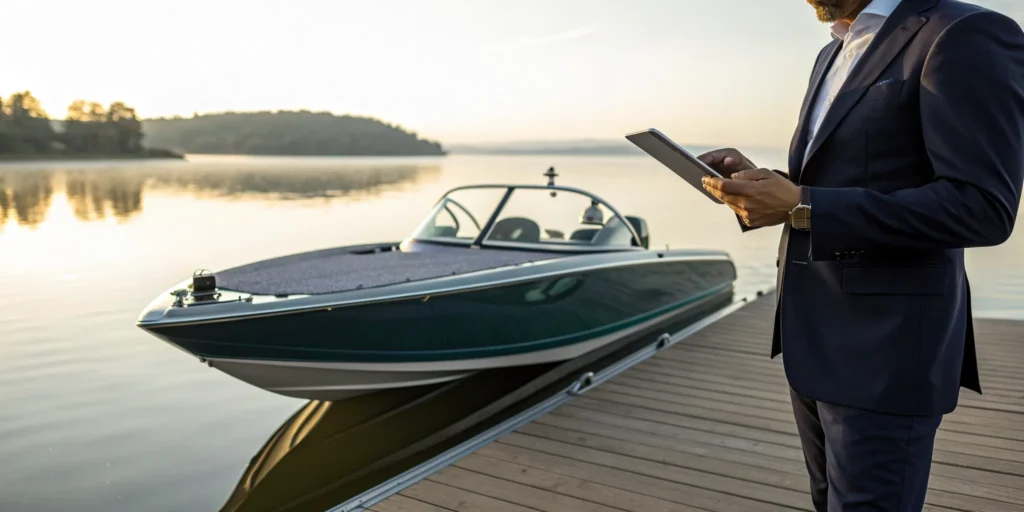
You can get an insurance estimate from a website in minutes, but a generic tool doesn’t understand your specific needs as a boater in Illinois. It doesn’t know the local lakes you fish or the value of the custom gear you’ve invested in. For coverage that truly fits, nothing beats a conversation with an expert who can tailor a policy just for you. An agent can find discounts you might miss online and explain your coverage in plain English, ensuring there are no surprises if you need to file a claim. Getting a personalized bass boat insurance quote provides real protection and peace of mind.
Key Takeaways
- Protect your investment and your savings: Bass boat insurance is a financial safety net that covers liability in an accident, pays for repairs, and protects your expensive fishing gear from theft or damage.
- Your choices influence your rate: Insurers look at everything from your boat’s horsepower and value to your safety course history and storage location, giving you opportunities to find a more favorable premium.
- Compare policies, not just prices: The best deal isn’t always the cheapest. Pay close attention to coverage limits, deductibles, and policy exclusions to make sure you’re getting protection that truly fits your needs as an angler.
What Is Bass Boat Insurance (And Why Do You Need It?)
Think of bass boat insurance as a safety net for your investment. It’s a specialized policy designed to protect you, your boat, and your wallet from the unexpected. While Illinois doesn’t legally require boat insurance, going without it is a risky choice. If your boat is damaged or you’re in an accident, you could face hefty repair bills or liability costs alone. A solid policy gives you the confidence to focus on fishing, knowing you’re covered. Let’s look at what that coverage includes and why it’s so important.
Breaking Down Your Coverage Options
When building a policy, you can pick the coverage that makes sense for you. Liability is a must-have, as it covers costs if you’re at fault in an accident. Comprehensive and collision coverage pay for repairs to your boat, whether from hitting a submerged log or from theft. You can also add protection for your personal effects, like expensive fishing gear, and on-water towing if you get stranded. The goal is to find comprehensive coverage that fits your boat and how you use it, so you’re never unprepared.
Agreed Value vs. Actual Cash Value Policies
One of the first choices you’ll make is how your policy will value your boat. An Agreed Value policy is straightforward: we agree on what your boat is worth when you sign up, and if it’s a total loss, that’s the amount you get paid. This type of policy also typically replaces damaged parts with new ones without deducting for depreciation. It’s usually the best option for newer boats or custom rigs. On the other hand, an Actual Cash Value (ACV) policy pays you the boat’s market value at the time of the loss, which accounts for depreciation. ACV policies often have lower premiums and can be a good fit for smaller boats, older models, or boats you own outright without a loan.
Uninsured and Underinsured Boater Coverage
You can be the safest captain on the lake, but you can’t control the actions of others. That’s where uninsured and underinsured boater coverage comes in. This protection steps in to cover your medical bills and repair costs if you’re in an accident caused by another boater who doesn’t have any insurance or doesn’t have enough to cover the damage. Since Illinois doesn’t mandate boat insurance, many boaters on the water might be uninsured. This coverage ensures that someone else’s lack of preparation doesn’t become your financial burden, protecting you from a situation that is completely out of your control.
Specialized Coverage for Your Engine and Equipment
For a serious angler, a dead motor is more than an inconvenience—it’s a day-ender. Mechanical breakdown coverage is an optional add-on that can be a real lifesaver. It specifically covers the lower unit of your outboard engine or the outdrive of your sterndrive if it fails due to a mechanical issue, not an accident. This is different from standard coverage, which only pays for damage from a collision or sinking. It’s often only available with an Agreed Value policy, but it provides an extra layer of security for one of the most critical and expensive parts of your bass boat.
Liability Protection for Fuel Spills and Wreck Removal
Your liability coverage does more than just pay for injuries or damage to another boat if you’re at fault in an accident. It also protects you from two potentially massive expenses: fuel spills and wreck removal. If your boat leaks fuel into the water, you could be responsible for the environmental cleanup costs, which can be incredibly high. Similarly, if your boat sinks, you are often legally required to have it removed. A good policy includes coverage for both fuel spill liability and wreck removal, protecting your savings from unexpected and significant costs.
Optional Add-Ons for Anglers
Beyond the standard protections, you can add specialized coverage that caters directly to the fishing lifestyle. These options address the unique risks and investments that come with being a dedicated angler.
Tournament Fee Reimbursement
If you’re a competitive angler, you know that tournament entry fees can add up. Tournament fee reimbursement coverage is designed for you. If a covered loss—like a breakdown or an accident on the way to the event—prevents you from competing, this coverage can refund your non-refundable entry fees. It’s a smart way to protect the money you’ve invested in your passion.
Fishing Guide Coverage
Do you occasionally take paying clients out for a day of fishing? If so, your standard recreational policy won’t cover you. Fishing guide coverage is an endorsement that provides the liability protection you need when operating on a for-hire basis. It allows you to guide up to six paying passengers, ensuring you’re properly covered while turning your hobby into a side business.
Other Available Coverage Options
A great day on the water starts with a safe trip to the launch. These additional coverages offer peace of mind for your boat, whether it’s on the water or on the road.
Trailer Coverage and Roadside Assistance
Your policy can also protect the trailer you use to haul your boat. But the real benefit is often the included roadside assistance. If your tow vehicle breaks down or you get a flat tire while towing your boat, this coverage dispatches help right to your location. It can save you from being stranded on the side of the highway with your boat in tow, turning a potential disaster into a manageable inconvenience.
Trip Interruption Assistance
For anglers who travel to fish, trip interruption coverage is a must. If your tow vehicle or trailer breaks down more than 100 miles from home, this benefit can help. It reimburses you for unexpected expenses like lodging, meals, and transportation while you’re stuck. It’s the kind of protection that lets you plan those long-distance fishing trips with confidence, knowing you have a safety net if things go wrong. If you have questions about which options are right for you, our team at Feld Insurance is here to help you build the perfect policy. Contact us today for a personalized quote.
Let’s Bust Some Common Boat Insurance Myths
Let’s clear up a couple of common boat insurance myths. First, many people think that because it’s not legally required, it’s not necessary. But an accident can lead to major financial loss, and insurance is your best defense. The second big myth is that your home insurance policy covers your boat. While some homeowners policies offer a tiny bit of coverage for small boats, it’s almost never enough for a valuable bass boat. A dedicated boat policy is the only way to be sure you’re properly protected.
Myth: My Homeowners Policy Provides Enough Coverage
This is one of the most common and costly assumptions boat owners make. While your homeowners policy might offer a small amount of coverage for a boat, it’s typically capped at around $1,000 to $1,500. Considering the price of a new bass boat, that amount wouldn’t even cover a new trolling motor, let alone significant repairs or a total loss. These policies also have strict limits on boat size and engine horsepower, meaning most bass boats won’t qualify for even that minimal coverage. Relying on your home insurance leaves you exposed to huge financial risks. A dedicated boat insurance policy is the only way to get the comprehensive protection your investment deserves.
How Insurance Protects You from Financial Risk
Ultimately, boat insurance is about financial security. Your bass boat is a significant investment, and a good policy protects it. If your boat is stolen or damaged, insurance helps cover the cost of replacement or repairs so you aren’t paying entirely out of pocket. More importantly, it protects you from liability costs. With thousands of boating accidents happening each year, the risk is real. If you cause an accident, the expenses can be overwhelming. Insurance steps in to handle those costs, protecting your savings. To see how affordable this peace of mind can be, get in touch with an agent for a personalized quote.
When is Boat Insurance Required?
While Illinois doesn’t have a statewide law forcing you to carry boat insurance, that doesn’t mean you can always go without it. In many situations, the decision isn’t entirely up to you. If you financed your boat or plan to keep it at a marina, you’ll likely find that insurance is a non-negotiable requirement. These rules aren’t just arbitrary; they’re in place to protect everyone’s financial interests, including your own. Lenders need to safeguard their loan, and marinas need to ensure their property and other boaters are protected from potential accidents. Let’s look at what they typically ask for.
Meeting Lender and Marina Requirements
If you have a loan on your bass boat, your lender will almost certainly require you to carry insurance. They have a financial interest in your boat until it’s paid off, and they want to protect that investment. Lenders typically mandate comprehensive and collision coverage for the boat’s full value, ensuring that if something happens, their asset is covered. Similarly, most marinas won’t let you dock without proof of liability insurance. This coverage is crucial because it pays for damages if your boat harms marina property or another vessel. Marinas implement these rules to protect themselves and their community of boaters from costly accidents. Before signing a slip agreement, always check their specific insurance requirements.
What Affects Your Bass Boat Insurance Quote?
Getting an insurance quote for your bass boat can feel a bit mysterious, but it’s actually a straightforward process. Insurance providers aren’t just picking a number out of a hat; they’re performing a detailed risk assessment. Think of it as a puzzle where each piece of information helps them build a picture of how likely you are to file a claim. The final quote reflects their calculation of that risk. The goal is to find a balance that provides you with the comprehensive coverage you need to protect your investment without breaking the bank.
Several key factors come into play, and they fall into a few main categories. First, there’s the boat itself: its age, size, and value are the foundation of the quote. Then, there’s its performance capability, particularly the power of its engine, which speaks to the potential for high-speed incidents. How and where you use and store your boat also tells an insurer a lot about the daily risks it faces. Finally, your personal boating experience and claims history are a major part of the equation. While you can’t change your boat’s length or its engine size, you do have control over other areas, like your safety record and where you store it. Understanding these elements will not only demystify your quote but also show you where you can make changes to find a more favorable rate.
How Much Does Bass Boat Insurance Cost?
Average Annual Premiums and Cost Examples
Let’s talk numbers. Budgeting for bass boat insurance is easier when you have a ballpark figure in mind. Most anglers find their annual premiums land somewhere between $200 and $500. A helpful rule of thumb is to set aside about 1% of your boat’s value for insurance each year. So, if you have a $20,000 boat, you might see a premium around $200. For a high-end, $100,000 rig, that could be closer to $1,000. Of course, this is just a starting point, as many factors influence the final cost, but it gives you a solid idea of what to expect.
Beyond your boat’s value, where you live and fish plays a huge role in your premium. Boaters in Illinois generally see different rates than those in coastal states. For example, someone in Minnesota might pay around $267 a year, while a boater in Florida could face premiums as high as $839 due to hurricane risks. Insurers also look at your personal profile, including your boating experience, whether you’ve taken any safety courses, and how you store your boat. Each of these details helps them understand the level of risk, which directly impacts your rate. Knowing what goes into your quote empowers you to find the right balance of comprehensive coverage and cost.
The Make, Model, and Value of Your Boat
The starting point for any insurance quote is the boat itself. Insurers will look at the make, model, length, and age of your bass boat. A newer, high-end model will naturally cost more to insure than an older, smaller one because the cost to repair or replace it is much higher. The boat’s value is a major factor, so having an accurate idea of what it’s worth is important. You can use resources like the NADAguides for boats to get a good estimate. The number of engines and any custom modifications can also influence the premium, as these add to the boat’s complexity and potential repair costs.
How Boat Materials Impact Your Rate
The material your bass boat is made of—whether it’s fiberglass, aluminum, or something else—plays a big role in your insurance quote. Insurers look at this because different materials have varying levels of durability and, more importantly, different repair costs. Fiberglass, a popular choice for bass boats, can be costly to fix correctly after a collision. Aluminum hulls might be tougher against dents and dings, but specialized welding could be needed for serious damage. Insurers assess these potential repair costs and the material’s overall resilience when setting your premium. A boat built with high-performance or exotic materials might also see a higher rate, as it suggests a greater risk and more expensive upkeep.
Does a Faster Boat Mean a Higher Premium?
A bass boat’s engine is a key part of its appeal, but it’s also a significant factor for insurance. A more powerful engine means higher speeds, which an insurer views as increased risk for accidents. It’s a simple correlation: the faster a boat can go, the greater the potential for a serious incident on the water. Insurers will assess your boat’s maximum speed and overall performance capabilities to gauge this risk. This doesn’t mean you can’t own a powerful boat, but you should expect its performance to be reflected in your premium. Prioritizing safe operation is always the best way to manage the risks that come with a high-performance engine.
Where You Fish and How You Store Your Boat
How you plan to use your boat matters. Are you using it for recreational fishing on the weekends, or are you competing in professional tournaments? Commercial use or racing will almost always result in a higher premium because the risk of damage or liability is greater. Where you store your boat is also important. A boat kept in a secure, locked garage or a protected marina is less likely to be stolen or damaged by the elements than one parked in an open driveway. Proving you have safe storage can often lead to a better rate, so be sure to mention your storage situation when getting a personalized quote.
Your Boating Experience and Past Claims
Finally, insurers will look at you, the operator. Your boating experience and track record play a huge role in determining your rate. If you’ve been boating for years and have a clean record with no previous claims, you’ll be seen as a lower risk. On the other hand, a history of accidents or claims can lead to higher premiums. One of the best ways to demonstrate your commitment to safety and potentially lower your rate is by completing a recognized boating safety course. Organizations like the BoatUS Foundation offer courses that are respected by many insurance providers and can sometimes qualify you for a discount.
How to Get a Bass Boat Insurance Quote
Getting a quote is your first step toward protecting your boat, and it’s a straightforward process. You have a few different paths you can take, from quick online tools to a detailed conversation with an expert. The right approach depends on how much time you have and how personalized you want your coverage to be. Let’s walk through the options so you can find the best fit for your needs.
Getting a Quick Quote Online
If you’re looking for a quick ballpark figure, online quote tools are a great place to start. Many large insurance carriers offer instant quotes directly on their websites. You simply enter some basic information about your boat and yourself, and the system generates an estimate in minutes. While these tools are convenient for initial research, they often provide a standard, one-size-fits-all policy. They can give you a general idea of cost, but they might miss the specific details that could save you money or provide better protection for your gear.
The Info You’ll Need for Your Quote
To get the most accurate quote, whether online or with an agent, it helps to have some information handy. Insurers will want to know the specifics of your vessel and how you use it. Before you start, gather these details:
- Boat Information: The make, model, year, length, and value of your bass boat.
- Engine Details: The number of engines and their total horsepower.
- Usage: How you plan to use the boat, such as for recreational fishing or tournaments.
- Storage: Where and how you store it during the season and in the off-season.
- Your Experience: Your history as a boater and any safety courses you’ve completed, along with your claims history.
Getting a Personalized Quote from an Agent
For a policy that truly fits your needs, nothing beats talking to an insurance agent. While online tools are fast, an agent can provide a personalized quote based on your unique situation. We can ask the right questions to understand how you use your boat, what gear you carry, and where you fish. This conversation allows us to find special discounts you might not find on your own and explain what your policy covers in plain English. It’s the best way to ensure you have the right protection without any gaps or surprises.
How to Compare Bass Boat Insurance Quotes
Once you have a few quotes in hand, it’s time to look closer. A lower price doesn’t always mean a better deal, especially if it leaves you with gaps in your coverage. Comparing quotes is about matching the policy details to your specific needs as a boat owner and angler. Think about how you use your boat, what gear you carry, and what level of risk you’re comfortable with. A great policy is one that fits your life on the water, not just your budget. Let’s break down the key areas to focus on so you can make a confident and informed choice.
What to Know About Coverage Limits and Deductibles
First, look at the coverage limits and deductibles. The coverage limit is the maximum amount the insurer will pay for a covered claim, while the deductible is the amount you pay out of pocket before your insurance kicks in. These numbers are influenced by your boat’s type, value, and engine power, as well as your boating experience. A cheaper premium might come with a very high deductible or low coverage limits, which could be costly if you need to file a claim. Make sure the policy provides enough liability coverage to protect your assets and that the deductible is an amount you can comfortably afford.
Is Your Expensive Fishing Gear Covered?
For any serious angler, this is a big one. Your rods, reels, fish finders, and other gear represent a significant investment. When comparing quotes, check the specific coverage offered for your fishing equipment. Some standard policies might offer a base amount, like $1,000, while more specialized plans can cover upwards of $10,000 in gear. Don’t just assume your equipment is covered. Look for the exact dollar amount listed in the policy and consider if you need to add extra protection. This single detail can be the deciding factor between two otherwise similar quotes.
Don’t Skip the Fine Print: What Isn’t Covered?
The fine print is where you’ll find what a policy doesn’t cover. These are called exclusions, and they are incredibly important to understand. For example, some insurers won’t cover boats that exceed a certain speed, are used for commercial purposes (even some tournaments), or are homemade. Reading the policy exclusions before you buy can save you from a major headache and a denied claim down the road. If anything is unclear, ask the agent to explain it. It’s much better to know the limitations of your policy upfront.
Common Policy Exclusions
Every policy has a list of what it won’t cover, and it’s your job to know what’s on it. Common exclusions often include normal wear and tear, like rust or corrosion, as well as manufacturing defects or mechanical breakdowns that aren’t caused by a specific accident. Insurers also typically exclude coverage for boats that can exceed a certain speed, often around 90 mph. Additionally, most standard policies will not cover your boat if it’s used for commercial purposes, such as chartering or fishing for hire. Understanding these policy limitations upfront is the best way to avoid a surprise if you ever need to file a claim.
Rules for Commercial and Tournament Use
If you fish in tournaments, you need to have a conversation with your insurance agent. While most policies cover recreational tournaments, some may require a special add-on or endorsement to ensure you’re protected. The key distinction is whether you’re a professional. If you earn more than half of your income from fishing, you’ll almost certainly need a commercial policy. Being transparent about your tournament participation is crucial. An agent can review your specific situation and make sure your policy matches your level of competition, giving you the confidence to focus on the fish instead of your coverage.
What Happens When You Need to File a Claim?
Finally, consider the company behind the policy. A low price from a company with poor customer service can turn a stressful situation, like filing a claim, into a nightmare. Look up reviews and see what other customers say about their claims experience. A responsive and helpful team can make all the difference. When you get a quote, it’s also a chance to gauge their service. Are they helpful? Do they answer your questions clearly? At Feld Insurance, we believe in building relationships, so feel free to contact our team to see how we can help you find the best protection.
Who Offers the Best Bass Boat Coverage?
When you start shopping for bass boat insurance, you’ll find a few different types of providers, each with its own strengths. The “best” coverage isn’t a one-size-fits-all policy; it’s the one that matches your boat, your budget, and how you spend your time on the water. Your decision will likely come down to whether you prefer the personalized touch of a local agent, the scale of a national brand, or the niche focus of a specialty insurer.
Working with a local agency means you get a partner who understands the specific needs of boaters in your area. They can offer tailored advice and be there for you when you need them most. National providers, on the other hand, often have robust online tools and apps that let you manage your policy on your own time. Then there are specialty companies that focus exclusively on marine insurance, offering deep expertise for unique situations, like professional tournament fishing. We’ll look at each of these options so you can feel confident choosing the right path for you.
Why Anglers Choose Feld Insurance
Many boat owners assume their homeowners insurance will cover their bass boat, but that’s rarely the case. Most homeowners policies have strict limits on boat size, engine power, and damage coverage, leaving you with significant gaps in protection. That’s why having a dedicated boat policy is so important for protecting your investment.
Working with a local expert at Feld Insurance means you get a personalized insurance solution designed just for you. We take the time to understand how you use your boat, from casual weekend fishing trips to more competitive outings. We’ll walk you through your options to ensure you have the right coverage for everything from physical damage to liability, giving you peace of mind every time you’re on the water.
Comparing the Big National Providers
You’ve probably seen commercials for large, national insurance companies, and many of them offer solid boat insurance options. These providers are known for their convenience, often allowing you to get a quote and purchase a policy entirely online in just a few minutes.
For example, companies like Progressive offer insurance for bass boats with features like 24/7 customer service and mobile apps for managing your policy on the go. While these providers offer broad accessibility and competitive rates, you might miss the one-on-one guidance that comes from a local agent who knows you and your community. It’s a trade-off between digital convenience and a personal relationship.
When to Consider a Specialty Insurer
If your boating life is a little more specialized, you might need an insurer that focuses exclusively on marine coverage. This is especially true for professional anglers or anyone who uses their boat for guide services or frequent fishing tournaments. A standard policy might not cover the unique risks associated with these activities.
Companies in this space offer special bass boat insurance that goes beyond typical coverage. These policies can protect high-value fishing gear, provide liability coverage for tournament participation, and even offer protection for your winnings. If you make a living on the water, a specialty insurer can provide the expert coverage you need.
How to Save Money on Your Bass Boat Insurance
Getting the right insurance for your bass boat doesn’t have to break the bank. While it’s tempting to just go for the lowest price you can find, a cheap policy often means you’re missing key protections that you’ll wish you had later. The smarter approach is to find a high-quality policy and then look for ways to lower the cost. Insurance companies want to work with responsible boat owners, and they offer plenty of discounts to reward safe habits and smart decisions.
Think of it like this: the lower your risk as a boater, the lower your premium can be. By taking a few simple steps, you can show insurers that you’re a great candidate for coverage and earn some serious savings in the process. From bundling your policies to brushing up on your safety skills, you have more control over your insurance costs than you might think. We’ll walk through a few of the most effective ways to get a better rate without sacrificing the peace of mind that comes with solid protection.
The Easy Way to Save: Bundle Your Policies
One of the easiest ways to save is by bundling your boat insurance with other policies, like your home or auto coverage. Insurance companies love loyal customers, and they often offer a multi-policy discount when you trust them with more of your business. For example, some carriers note that customers who bundle auto and home insurance can save an average of 5% on their car insurance alone. It’s a simple strategy that not only saves you money but also makes managing your policies much easier. Having everything under one roof means one point of contact and one less thing to worry about. At Feld Insurance, we can help you explore all your insurance options to find the perfect bundle for your needs.
Turn Your Safety Smarts into Savings
Proving you’re a safe and knowledgeable boater can directly translate into savings on your insurance premium. Many insurers offer discounts to boaters who complete an approved safety course. As GEICO points out, you can often get a discount for completing courses from trusted organizations like the BoatUS Foundation, U.S. Power Squadrons, or the U.S. Coast Guard Auxiliary. These courses teach you essential skills for handling your boat safely and confidently, which reduces the likelihood of an accident. In addition to formal training, having safety equipment like an automatic fire extinguishing system or a GPS unit on board can sometimes qualify you for even more discounts. Be sure to ask your agent what credits are available.
Are You a Pro? You Could Qualify for a Discount
If you’re a professional angler, your needs are different from those of a casual weekend boater. Your boat and gear are your livelihood, and some insurance providers recognize that with specialized coverage. This type of pro-angler insurance goes beyond a standard policy to protect things that are essential for your career. For instance, some policies offer reimbursement for tournament entry fees if an accident or breakdown keeps you from competing. It’s a valuable protection that acknowledges the unique risks you face. If you fish in tournaments, make sure you work with an agent who understands your world and can connect you with a policy that offers these specialized discounts and coverages.
Other Common Discounts to Ask About
The big discounts like bundling and safety courses get a lot of attention, but there are other, smaller savings that can really add up. Insurance providers often have a whole menu of discounts available, and many of them reward you for simple things you might already be doing. From being a responsible homeowner to how you choose to pay your premium, these opportunities are worth exploring. It’s always a good idea to ask your agent about every possible discount, because you never know which ones you might qualify for.
Discounts for Homeowners and Good Drivers
Insurers often see homeownership as a sign of stability and responsibility, which can sometimes translate into a discount on your boat policy. It’s another way they gauge your risk profile. Similarly, your record on the road can impact your rate on the water. A clean driving record with no accidents or violations suggests you’re a cautious person, and many companies will reward that with a good driver discount. These savings are often tied to bundling your home and auto policies with your boat insurance, which is one of the most reliable ways to lower your overall costs. When you trust one provider with more of your business, they’re happy to thank you with a better rate.
Savings for How You Pay and When You Boat
You can also find savings in the logistics of your policy. For instance, many insurers offer a discount if you pay your entire premium upfront for the year instead of in monthly installments. It saves them administrative work, and they pass that savings on to you. Another great discount for boaters in Illinois is the lay-up or winter storage credit. If your boat is out of the water and stored for several months during the off-season, you can get a reduced rate for that period since the risk of an accident is virtually zero. These aren’t always advertised, so it’s important to ask an agent specifically about payment and lay-up options to make sure you’re not missing out on these easy savings.
How to Make Your Final Policy Decision
You’ve gathered the quotes and reviewed your options. Now it’s time to make a final decision and get your bass boat protected. This last step is all about looking closely at the details to ensure you’re getting the right coverage for your needs, not just the lowest price. A little extra attention here can save you a lot of headaches down the road. By comparing your quotes thoughtfully and watching for a few common pitfalls, you can feel confident that you’ve made the best choice for your peace of mind on the water.
Tools to Help You Compare Quotes Side-by-Side
When you have multiple quotes in front of you, it helps to have a strategy. While you can get a bass boat insurance quote online to get a quick baseline, the best way to understand your exact cost is to get a quote based on your specific boat and situation. Every policy is different, so a side-by-side comparison is key. For a truly personalized experience, it’s smart to work with an independent insurance agent. These professionals can shop around with different companies to find you the best combination of coverage and price, saving you time and ensuring no detail is overlooked. At Feld Insurance, our team is ready to provide the trusted guidance you need to make an informed decision.
Red Flags to Watch For When Choosing Coverage
As you compare policies, keep an eye out for a few potential issues. First, one of the biggest myths about boat insurance is that you’re adequately covered under your home insurance. In most cases, this is not true; home policies offer very limited, if any, coverage for watercraft. Another point to verify is where you’re covered. Some policies limit the use of your boat to a specific area, so if you plan on trailering your boat to different lakes, confirm your policy travels with you. Finally, don’t assume that just because your state doesn’t require boat insurance, you don’t need it. State minimums are just that, minimums. The right insurance services protect your financial well-being far beyond any legal requirement.
Related Articles
Frequently Asked Questions
Is my expensive fishing gear covered by a standard bass boat policy? Not always, and usually not to the extent you might need. Most standard policies include a small amount of coverage for personal effects, but it might only be for a thousand dollars or so. If you have high-end fish finders, rods, and reels, you should look closely at the policy’s specific limit for fishing equipment and consider adding extra coverage to make sure your gear is properly protected.
My homeowners policy says it covers boats. Isn’t that enough? While it’s true some homeowners policies offer a little coverage for small watercraft, it is almost never enough for a bass boat. These policies typically have strict limits on boat length, horsepower, and value. More importantly, they often provide very little liability protection for accidents that happen on the water. A dedicated boat policy is the only way to be certain your investment and your assets are secure.
What’s the single best thing I can do to lower my insurance rate? If I had to pick just one, it would be to prove you’re a safe and responsible boater. The most direct way to do this is by completing a recognized boating safety course. Insurers see this as a sign of lower risk and often reward it with a discount. Bundling your boat policy with your home or auto insurance is another simple and highly effective way to reduce your overall cost.
Why should I bother with boat insurance if it’s not legally required in Illinois? Think of it as financial protection rather than a legal checkbox. Your bass boat is a major investment, and insurance is what protects it from theft or damage. Even more importantly, it protects you. If you’re found at fault in an accident on the water, you could be responsible for property damage and medical bills that can be financially devastating. Insurance is the safety net that protects your savings and your future.
What’s the real benefit of using an agent instead of just getting a quote online? Online tools are great for getting a quick estimate, but they can’t understand your specific situation. An agent can talk with you about how you use your boat, where you fish, and what kind of gear you have. This conversation allows them to find discounts you might miss online and build a policy that truly fits your needs, ensuring there are no surprises or gaps in your coverage if you ever need to file a claim.