

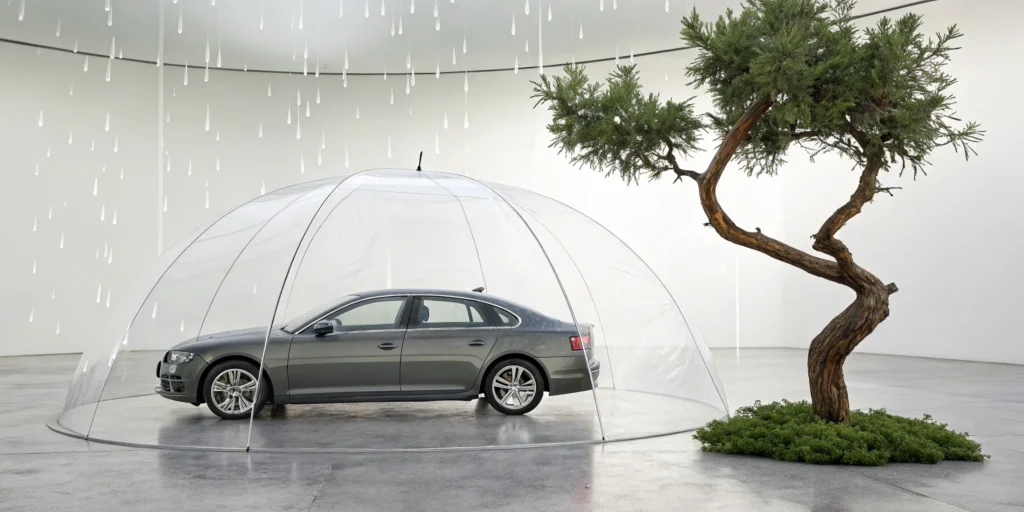
Driving in Central Illinois means you’re prepared for just about anything. From sudden thunderstorms near Springfield to deer crossing the road outside East Peoria, our local roads definitely keep us on our toes. These are the exact moments comprehensive insurance is made for. It’s different from collision coverage, which handles accidents with other vehicles. Comprehensive steps in for the unpredictable stuff, like storm damage or that unfortunate run-in with wildlife. But to feel truly protected, you need to know the details. So, what does comprehensive cover? This guide breaks it down, ensuring you have the right protection for where you live and drive.
Key Takeaways
- Think beyond the crash: Comprehensive insurance is your safety net for damage that isn’t from a collision. It handles unexpected events like theft, storm damage, or hitting an animal, which your standard collision policy won’t cover.
- Understand the math behind a claim: When you file a comprehensive claim, you pay your deductible first. Your insurance provider then pays for the rest of the repairs, but only up to your car’s actual cash value (its current market worth), not its original price.
- Evaluate your need for coverage: If you have a car loan or lease, comprehensive coverage is almost always mandatory. If you own your car, consider keeping it unless its value is so low that a potential insurance payout wouldn’t justify the cost of your deductible and premiums.
What Is Comprehensive Car Insurance?
When you’re building your auto insurance policy, you’ll come across a few different types of coverage. One of the most common, and sometimes confusing, is comprehensive insurance. Let’s clear up what it is, how it works, and what it means for your wallet.
How Comprehensive Coverage Protects You
Think of comprehensive insurance as a safety net for your car against almost everything except a collision. It’s an optional part of your auto insurance policy that helps pay for damage from events that are mostly out of your control. That’s why it’s sometimes called “other than collision” coverage. While collision coverage handles damage from hitting another car or an object (like a fence), comprehensive steps in for the unexpected curveballs life throws your way. It’s the coverage that protects your vehicle from things like theft, storms, or even a rogue shopping cart on a windy day.
Coverage for More Than Just Cars
So, what exactly does comprehensive coverage handle? It’s your financial backstop for a whole host of events that don’t involve a collision. In Central Illinois, this is incredibly important. Think about the severe thunderstorms that can bring hail, or the risk of hitting a deer on a rural road near Springfield or East Peoria. These are the exact scenarios where comprehensive coverage applies. It’s designed to pay for damage from theft, vandalism, fire, and falling objects (like a tree branch). It also covers damage from natural events like storms, wind, and floods. This type of protection is a key part of a well-rounded policy, ensuring you’re prepared for more than just accidents with other vehicles. It’s one of the many insurance services that provides true peace of mind on and off the road.
How Does It Actually Work?
So, what kind of curveballs are we talking about? Comprehensive coverage typically pays for damage from specific events like theft, vandalism, fire, floods, and hail. It also covers you if you hit an animal on the road or if a tree branch falls on your car during a storm. If a claim is approved, your policy will pay for repairs up to your car’s actual cash value (ACV). This isn’t what you paid for the car new; it’s what your vehicle was worth right before the damage occurred, factoring in depreciation. It’s a key detail to remember when thinking about how much coverage you’ll receive.
Your Premium and Deductible, Explained
When you file a comprehensive claim, you’ll first need to pay your deductible. A deductible is simply the amount you agree to pay out of pocket before your insurance coverage kicks in. You choose this amount when you set up your policy, with common options ranging from $500 to $1,500. For example, if a hailstorm causes $2,500 in damage and your deductible is $500, you’ll pay the first $500, and your insurance will cover the remaining $2,000. Choosing a higher deductible can often lower your monthly premium, but it’s important to pick an amount you’re comfortable paying. If you have questions about finding the right balance, we’re here to help you find a solution.
A Simple Deductible Example
Let’s make this more concrete. Imagine you’re driving home near Springfield and a deer jumps out, causing significant damage to your front end. The body shop quotes you $3,000 for the repair. If your comprehensive deductible is $500, you’ll pay that amount directly to the repair shop. After you’ve paid your part, your insurance policy steps in to cover the remaining $2,500. Your deductible is essentially your share of the loss before your coverage begins. It’s a straightforward way to split the cost, ensuring your car gets fixed without you having to foot the entire bill.
This system helps keep insurance affordable for everyone. By agreeing to cover a small portion of a potential claim yourself, you can often get a lower monthly premium. The key is to select a deductible that fits your budget. You want an amount you could comfortably pay on short notice without causing financial stress. If you’re unsure what deductible amount makes the most sense for your situation, that’s a perfect conversation to have with your insurance agent. They can help you weigh the pros and cons to find that sweet spot between your premium and out-of-pocket costs.
So, What Does Comprehensive Insurance Actually Cover?
When you think about car insurance, you probably picture a car crash. But what about all the other things that can damage your vehicle? From a hailstorm to a run-in with a deer, life is full of surprises. This is where comprehensive coverage comes in. It’s designed to protect your car from damage that isn’t caused by a collision with another vehicle. Think of it as your financial safety net for the unexpected events that are out of your control. Let’s look at a few specific situations where this coverage applies.
Does Comprehensive Cover Theft and Vandalism?
Discovering your car has been stolen or vandalized is an incredibly stressful experience. Comprehensive insurance is designed for these exact moments. If someone breaks into your car and smashes a window, this coverage helps pay for the repair. If your car is spray-painted or has its tires slashed, comprehensive insurance steps in to cover the costs. And in the worst-case scenario where your vehicle is stolen and not recovered, it helps cover the value of your car so you can get back on your feet. It’s a key part of a policy that provides protection for your vehicle against criminal acts.
Theft of Car Parts
It’s not just the entire car you have to worry about; thieves are increasingly targeting specific, valuable parts. You’ve probably heard about the rise in catalytic converter theft, but other components like airbags and expensive rims are also at risk. This is another area where comprehensive coverage is essential. If someone steals a part from your vehicle, your policy will help cover the cost of replacing it, as well as repairing any damage done in the process. For example, if a thief cuts out your catalytic converter, your insurance can help pay for a new one and fix the exhaust system. This type of protection is a core feature of a good comprehensive policy, giving you peace of mind that you’re covered even if your car isn’t stolen outright.
Damage from Weather, Floods, and Fires
Illinois weather can be unpredictable, and a sudden storm can do a number on your car. Comprehensive coverage is your shield against the elements. This includes damage from hail leaving dents on your roof, flooding that damages your engine, or strong winds that knock a tree branch onto your hood. Because these events are completely out of your control, having comprehensive coverage offers peace of mind. It ensures that a severe weather event doesn’t turn into a major financial burden. You can prepare for these situations by staying informed about severe weather safety.
Riots, Explosions, and Natural Disasters
While we hope you never have to face them, events like civil unrest, explosions, or major natural disasters are exactly the kind of large-scale, unforeseen situations comprehensive insurance is built for. These are risks that are completely out of your hands. If your car is damaged during a riot or from a nearby explosion, your comprehensive policy is what you’ll turn to for help with repairs. It also provides a crucial safety net for damage from natural disasters like tornadoes or earthquakes. While these events are thankfully rare, having this coverage ensures that a widespread catastrophe doesn’t also become a personal financial crisis for you and your family.
Hitting a Deer (and Other Animal Collisions)
Hitting an animal on the road is a scary and often unavoidable event, especially on the roads around Springfield and East Peoria. While it feels like a collision, your insurance company typically sees it differently. Damage from hitting a deer or another animal is usually covered under your comprehensive policy, not your collision policy. This is an important distinction because the deductible and impact on your policy can differ. This coverage helps pay to repair everything from a cracked grille to more serious front-end damage, ensuring a startling encounter doesn’t leave you with a massive repair bill.
Falling Trees, Hail, and Other Objects
Your car can get damaged even when it’s just sitting in your driveway or a parking lot. Comprehensive coverage also protects you from falling objects. Imagine a heavy branch breaking off a tree during a storm and landing on your car, or debris falling from a building or overpass. These incidents can cause significant dents, broken windshields, and other costly damage. Your comprehensive policy is there to handle the repairs for these types of non-collision events, giving you one less thing to worry about.
Damage from Road Debris and Falling Ice
It’s not just falling branches you have to worry about. Think about driving down the highway when a truck in front of you kicks up a rock that cracks your windshield. Or in the winter, when a sheet of ice flies off the roof of another car and hits your hood. These are common, frustrating moments that can lead to costly repairs. This is another area where comprehensive coverage is essential. It handles damage from road debris and falling ice—things that are completely out of your control. Your auto insurance policy should protect you from these everyday road hazards, not just major accidents.
What Isn’t Covered by Comprehensive Insurance?
Comprehensive coverage is fantastic for those unpredictable, non-collision events, but it’s important to know its limits. Think of it as one essential piece of your total protection puzzle, not the entire picture. Understanding what isn’t covered helps you see where other parts of your auto insurance policy step in to fill the gaps, ensuring you’re not caught by surprise when you need to make a claim. Let’s walk through some of the key things that fall outside of comprehensive coverage.
Collisions with Other Vehicles or Objects
This is the most common point of confusion. Despite its name, comprehensive insurance does not cover damage to your car if you hit another vehicle or an object, like a guardrail or a telephone pole. That specific job belongs to collision insurance. So, if you accidentally back into a fence or are in a fender bender, you’ll be relying on your collision coverage to handle the repairs for your vehicle. It’s a different tool for a different type of problem.
Routine Maintenance and Mechanical Breakdowns
Your car insurance is there for sudden and accidental damage, not for the routine costs of owning a vehicle. Things like replacing worn-out tires, old brakes, or fixing a mechanical issue that comes from age are considered maintenance. Comprehensive coverage won’t pay for these expenses. Similarly, if your engine fails due to normal use over time, that would be an out-of-pocket repair. Keeping your car in good shape is your responsibility as an owner.
Normal Wear and Tear
While comprehensive insurance is a lifesaver for unexpected damage, it’s important to know it doesn’t cover the natural aging process of your car. Think of it this way: your policy is for sudden events, not the slow and steady decline that comes with miles on the road. This means things like replacing worn-out brake pads, getting new tires because the tread is low, or dealing with engine trouble from regular use over many years fall under routine maintenance. These are costs you’ll need to cover yourself. Keeping up with your car’s maintenance is the best way to prevent these issues and is a key part of responsible car ownership. Understanding what is and isn’t covered is a crucial part of managing your overall auto insurance policy.
Personal Items Inside Your Vehicle
If someone breaks into your car and steals your laptop or your gym bag, comprehensive coverage will help pay to repair the broken window, but it won’t replace your stolen items. Your personal belongings are typically protected under a homeowners or renters insurance policy, even when they aren’t physically in your home. It’s a great idea to check that policy to see what your coverage limits are for items stolen from your vehicle.
A Few More Things to Know
A few other important things aren’t covered by comprehensive insurance. It won’t pay for medical bills if you or a passenger are injured in an incident; that’s handled by medical payments coverage or personal injury protection. It also doesn’t cover legal expenses if someone sues you after an accident, which is what your liability coverage is for. Finally, it won’t cover the cost of a rental car while yours is in the shop after a collision.
Driving Other People’s Cars
What happens if you borrow a friend’s car and get into an accident? It’s a common question, and the answer usually comes down to a simple rule: insurance follows the car, not the driver. If you’re driving a friend’s vehicle, their auto insurance policy is considered the primary coverage in the event of a claim. This holds true as long as you are a legal driver and have their permission to drive their car. So, if you’re behind the wheel and a tree branch falls on the hood, it would be the car owner’s comprehensive policy that would cover the damage, not yours. Your own insurance might act as secondary coverage in some situations, but the vehicle owner’s policy is always the first line of defense.
Comprehensive vs. Collision: What’s the Difference?
When you’re building your auto insurance policy, two of the most common options you’ll see are comprehensive and collision coverage. It’s easy to get them mixed up, but they protect your car in very different situations. Think of them as two separate safety nets for your vehicle. Collision covers damage from, well, a collision, while comprehensive handles a wide range of other incidents. Understanding how each one works is the key to making sure you have the right protection for your car and your budget. Let’s break down what sets them apart, when you’d use them, and how they pay out when you need them most.
Defining Comprehensive and Collision Coverage
The easiest way to remember the difference is to focus on the cause of the damage. Collision insurance covers damage to your car when you hit another vehicle or an object, like a fence, a pole, or a guardrail. It applies whether you’re at fault or not.
On the other hand, comprehensive insurance covers damage from events that are not a collision. This includes things mostly out of your control, like theft, vandalism, fire, hail, or hitting an animal. If a tree branch falls on your car during a storm or your window gets smashed in a parking lot, your comprehensive coverage is what you’ll turn to. It’s the policy that protects you from life’s unexpected, non-driving mishaps.
Which Coverage Applies to Your Claim?
So, when do you actually need these coverages? If you finance or lease your car, your lender will almost always require you to carry both comprehensive and collision to protect their investment. If you own your car outright, the choice is yours.
Many people keep both for peace of mind, but you might consider dropping them if your car is older and has a low market value. If the cost of the coverage and your deductible is close to or more than what your car is worth, it may not be financially practical. However, if you live in an area with frequent severe weather or high rates of vehicle theft, keeping comprehensive coverage can be a smart move, even on an older car.
What About Pothole Damage?
Driving around Central Illinois, especially after a rough winter, means you’re bound to encounter a few potholes. If you hit one and end up with a bent rim or alignment issues, you might wonder if your insurance can help. The answer is yes, but it’s your collision coverage that steps in here, not comprehensive. This is a common point of confusion because it doesn’t involve another car. Pothole damage is typically treated as a single-car collision. Before your policy pays for repairs, you’ll need to cover your deductible. So, if the damage is $1,200 and your deductible is $500, you’d pay the $500 and your insurance would handle the remaining $700. For minor damage, it might not be worth filing a claim, but for significant repairs, it can be a huge relief.
Understanding Your Payout: ACV vs. Replacement Cost
It’s important to understand how you get paid if you file a claim under either policy. Both comprehensive and collision insurance typically pay for repairs up to your vehicle’s actual cash value (ACV), minus your deductible. The actual cash value is what your car was worth right before the damage occurred, factoring in its age, mileage, and overall condition.
This means the payout isn’t based on what you originally paid for the car or what a brand-new replacement would cost. It reflects the current market value. For example, if your five-year-old car is totaled, the insurance payment will be based on what a similar five-year-old car sells for today, not the price of the latest model.
Do You Need Comprehensive Coverage?
Deciding whether to add comprehensive coverage to your auto policy comes down to a few key factors. It’s not always a clear-cut choice, and what works for one person might not be the right fit for you. Your decision will likely depend on your car’s financing, its current value, and your personal budget. Thinking through these points can help you find the right balance between protection and affordability, ensuring you’re not paying for coverage you don’t need or leaving yourself exposed to unexpected costs. Let’s walk through the main considerations.
When Your Lender or Lessor Requires It
While comprehensive coverage is typically an optional part of an auto insurance policy, there’s one major exception. If you are leasing or financing your vehicle, your lender will almost always require you to have it. Why? Because until your car is paid off, the lender has a financial interest in it. Comprehensive coverage protects their investment from events like theft, vandalism, or storm damage. If you own your car outright, the choice is entirely yours. But for anyone with a car loan or lease, this coverage is usually non-negotiable. It’s a standard requirement to protect the asset until the title is in your name.
Is It Worth It for an Older Car?
If you own your car outright, take a moment to think about its value. A good rule of thumb is to compare the car’s actual cash value to the cost of your comprehensive coverage plus your deductible. If your car is older and not worth much, you might end up paying more for the insurance than you would ever receive from a claim. For example, if your car is worth $2,000 and your deductible is $1,000, the most your insurance would pay out is $1,000. You have to decide if paying the annual premium for that potential payout makes financial sense for you.
Considering the Cost and Value
Let’s talk about the bottom line: money. Deciding on comprehensive coverage often comes down to weighing the cost against the value it provides, and it’s a calculation that’s unique to every driver. It’s not just about fitting another line item into your monthly budget; it’s about understanding what you stand to lose if something unexpected happens to your car. A hailstorm, a deer on a country road, or a theft from your driveway can all lead to significant repair or replacement costs. Thinking through the financial side helps you find that sweet spot between being over-insured and leaving yourself vulnerable. This balance is key to making a smart decision that gives you both protection and peace of mind.
State Requirements vs. Full Protection
Illinois law requires you to have liability coverage to drive legally, but it doesn’t mandate comprehensive. This is where the line between state requirements and full protection becomes clear. Liability protects other people from damage you cause, but it does nothing for your own car in a non-collision event. However, as we mentioned, if you have a loan or lease, your lender steps in and makes the decision for you. They will almost always require you to carry comprehensive coverage to protect their financial stake in your vehicle until it’s paid off. This ensures their asset is covered against theft, storms, and other damage.
Comparing Average Costs
One of the best things about comprehensive coverage is that it offers a lot of protection for a relatively low cost. It’s typically much less expensive than collision coverage, making it a great value for the peace of mind it provides against so many different types of damage. When you file a claim, you’ll pay your deductible, and your insurance will cover the remaining repair costs up to your car’s actual cash value (ACV). This is your car’s market worth, not its original sticker price. To decide if it’s right for you, use this simple guideline: compare your car’s ACV to the annual cost of your comprehensive premium plus your deductible. If the numbers don’t add up, it might be time to reconsider.
Choosing a Deductible That Works for You
Your deductible is the amount you agree to pay out of pocket before your insurance coverage begins. Think of it as a trade-off. If you choose a higher deductible, your premium (the amount you pay for the policy) will usually be lower. Conversely, a lower deductible means a higher premium. This is a personal choice that depends on your financial situation. Could you comfortably pay a $1,000 deductible tomorrow if a tree fell on your car? If not, a lower deductible might be a better fit, even if it means a slightly higher monthly payment. We can help you find a balance that gives you both peace of mind and a price that fits your budget when you contact us for a quote.
Related Articles
- What Does Fully Comprehensive Insurance Cover Mean?
- What Does Full Coverage Car Insurance Really Include?
- Full Coverage Car Insurance Guide | Feld Insurance
- Full Coverage Car Insurance: A Complete Guide – Feld Insurance
Frequently Asked Questions
Is comprehensive insurance the same thing as “full coverage”? That’s a great question, and it’s a point of confusion for a lot of people. “Full coverage” isn’t an official type of insurance policy. Instead, it’s a common term people use to describe a policy that includes three main parts: liability, collision, and comprehensive coverage. So, while comprehensive insurance is a key piece of what people consider full coverage, it’s not the whole picture on its own.
Will filing a comprehensive claim make my insurance rates go up? Generally, a comprehensive claim is less likely to affect your premium than an at-fault collision claim. This is because the events covered, like weather damage or theft, are considered outside of your control. However, filing multiple comprehensive claims within a short period could lead your insurer to re-evaluate your risk and potentially adjust your rate at renewal time.
If my car is broken into, will comprehensive insurance replace my stolen belongings? Comprehensive coverage is designed to repair the damage done to your vehicle itself, so it would help pay for a broken window or a damaged door lock. It does not, however, cover the personal items that were stolen from inside your car, like a phone or a laptop. For that, you would typically look to your homeowners or renters insurance policy, which usually provides coverage for your personal property even when it’s not in your home.
How do I choose the right deductible for my comprehensive coverage? The best way to choose a deductible is to pick an amount you know you could comfortably pay out of pocket without causing financial stress. A higher deductible, like $1,000, will result in a lower monthly premium. A lower deductible, like $500, means you’ll pay less if you have to file a claim, but your premium will be a bit higher. It’s all about finding the right balance for your personal budget.
Why does my lender or leasing company require me to have comprehensive coverage? When you finance or lease a car, the lender technically owns part or all of the vehicle until the loan is paid off. They require you to carry both comprehensive and collision coverage to protect their financial investment. If the car were stolen or totaled in a flood, this coverage ensures there is money to pay off the loan balance, protecting both you and the lender from a major financial loss.