

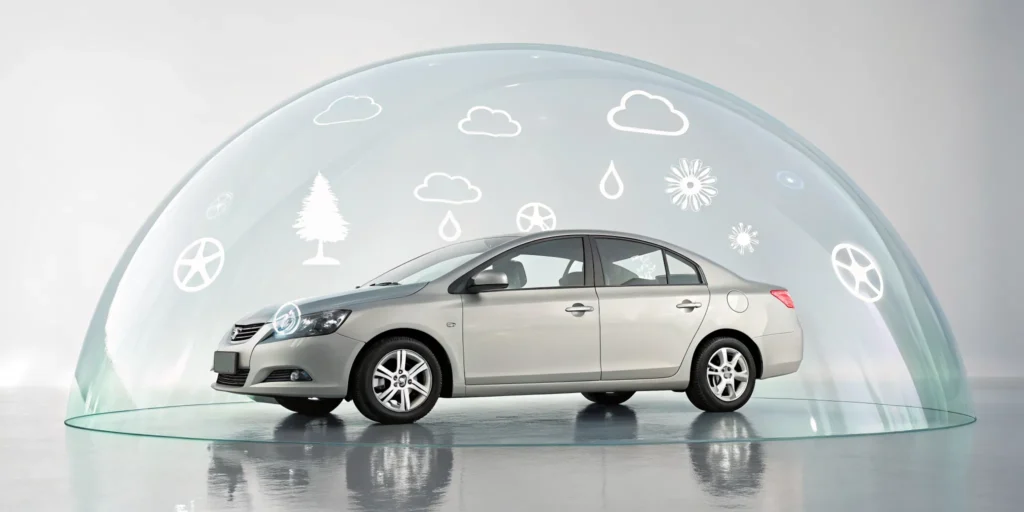
Most of us think car insurance is just for crashes, but that’s only half the story. What about the things that have nothing to do with other drivers? A rogue shopping cart in a parking lot, a hailstorm that leaves dents all over your roof, or hitting a deer on your way home. In these moments, your collision coverage won’t help. This is exactly why you need comprehensive coverage car insurance. It’s often called “other than collision” for a reason. This specific protection fills that critical gap, covering the unexpected damages that can happen when you’re not in an accident.
Key Takeaways
- Know what it covers: Comprehensive insurance is for non-crash incidents, paying for damage from events like theft, storms, vandalism, or hitting a deer, while collision coverage handles accidents with other vehicles or objects.
- Evaluate your personal need: Consider your car’s value, your local risks like weather and theft, and your financial ability to handle a major repair to decide if this coverage is a smart investment for you.
- Manage your premium with your deductible: You can adjust the cost of your policy by choosing your deductible, which is the amount you pay for a claim before insurance helps. A higher deductible typically means a lower premium.
What Exactly Is Comprehensive Car Coverage?
When you think about car insurance, you probably think about accidents. But what about all the other things that can damage your car? From hailstorms and falling tree branches to theft and vandalism, plenty of risks have nothing to do with a collision. That’s where comprehensive coverage comes in.
Think of it as protection for the unexpected. Comprehensive insurance helps pay to repair or replace your vehicle if it’s damaged by an event that is not a car crash. It’s the part of your policy that handles damage from things mostly outside of your control, giving you an extra layer of security.
Where It Fits in Your Auto Insurance Policy
Comprehensive coverage is typically an optional part of your auto insurance policy. However, if you lease or finance your car, your lender will almost always require you to carry it to protect their investment. It’s a key component of what many people call “full coverage,” a term that usually refers to a policy that includes liability, collision, and comprehensive protection. By combining these different types of auto insurance, you create a safety net that covers a wide range of potential scenarios on and off the road.
The Link Between Comprehensive and Collision Policies
It’s helpful to think of comprehensive and collision as two sides of the same coin. While both protect your car from physical damage, they apply to different scenarios. Collision insurance is straightforward—it covers damage to your car when you hit another vehicle or an object, regardless of who was at fault. Comprehensive coverage, on the other hand, is for those non-crash incidents, like theft, vandalism, storm damage, or hitting a deer. Though they are separate, they work together to form the foundation of what many call a full coverage policy. Having both ensures your vehicle is protected from a wide range of events, not just accidents on the road.
Comprehensive vs. Collision: What’s the Real Difference?
It’s easy to mix up comprehensive and collision coverage, but the distinction is simple. Collision coverage helps pay for damage to your car when you hit another vehicle or an object, like a fence or a guardrail. It also covers damage from single-car accidents, such as a rollover.
Comprehensive coverage, on the other hand, is for non-crash events. It covers damage from things like theft, fire, floods, vandalism, or hitting an animal. A good way to remember the difference is to ask yourself: was the damage caused by a collision? If the answer is no, it’s likely a job for your comprehensive coverage.
Coverage Beyond Your Car
Comprehensive coverage isn’t limited to the car you drive to work every day. The same logic of protecting your assets from unexpected, non-collision events applies to your other valuable vehicles, too. Think about your weekend toys and vacation vehicles—they often represent a significant investment and face their own unique set of risks. Whether it’s a motorcycle, a boat, or an RV, these vehicles are just as vulnerable to theft, weather damage, and other incidents. Ensuring they have the right protection is just as important as insuring your primary car, giving you peace of mind no matter what you’re driving.
Motorcycles, Boats, and RVs
Your motorcycle, boat, or RV faces many of the same non-collision risks as your car, and sometimes even more. A motorcycle is more susceptible to theft and vandalism, a boat can be damaged by a severe storm at the dock, and an RV can be a target for break-ins or sustain damage from falling branches at a campsite. Comprehensive insurance can protect a range of vehicles from these exact scenarios. Just like with a car, if you finance one of these recreational vehicles, your lender will likely require you to carry comprehensive coverage. If you own it outright, you’ll need to weigh its value against your ability to cover a major repair or total loss. At Feld Insurance, we can help you find personalized insurance solutions to make sure all your adventures are properly protected.
What Will Comprehensive Insurance Actually Cover?
Think of comprehensive coverage as your car’s safety net for almost everything besides a collision with another vehicle. While collision coverage handles accidents where you hit another car or object, comprehensive steps in for the unexpected, unpredictable events that can happen when you least expect them. It’s the part of your auto insurance policy that protects your vehicle from damage that isn’t caused by a typical car crash.
This type of coverage is sometimes called “other than collision” coverage, which is a great way to remember its purpose. It’s designed to handle a wide range of incidents, from natural disasters to theft. If you’ve ever worried about a hailstorm damaging your new car or what you’d do if you hit a deer on a country road, comprehensive coverage is what gives you peace of mind. It helps pay to repair or replace your vehicle, minus your deductible, for these specific types of claims. It’s a crucial layer of protection, especially for newer cars or if you have a loan or lease. Below, we’ll break down the main categories of protection it offers, so you can see exactly how it works to keep you covered.
Damage from Weather, Fire, and Floods
Life in Illinois means dealing with unpredictable weather, from severe thunderstorms and hail to the risk of flooding. Comprehensive insurance is your protection against these forces of nature. If a heavy hailstorm leaves dents all over your car’s roof or a fallen tree branch from a windstorm shatters your windshield, this coverage helps pay for the repairs. It also covers damage from other non-collision events like fires and floods. Essentially, it protects your vehicle from a variety of unpredictable natural disasters that are completely out of your control, so you aren’t left with a massive repair bill after a storm passes.
Windstorms, Lightning, Earthquakes, and Explosions
While earthquakes might not be top of mind here in Illinois, they perfectly illustrate the kind of rare but destructive events comprehensive coverage is built for. The same goes for damage from powerful windstorms that can topple trees onto your car or a lightning strike that fries your vehicle’s electrical system. These aren’t everyday worries, but the repair costs can be staggering if they happen. Comprehensive insurance is your financial shield against these ‘acts of God.’ It also covers damage from other sudden events, like an explosion near where your car is parked. This protection is designed to handle a wide range of incidents that have nothing to do with your driving, giving you confidence that you’re covered for the truly bizarre and unexpected.
Protecting Your Car from Theft and Vandalism
One of the most valuable benefits of comprehensive coverage is how it protects you from criminal acts. If your car is stolen, comprehensive insurance will help cover the cost of replacing it, based on its actual cash value. This can prevent a major financial crisis, especially if you still owe money on the vehicle. The coverage also applies to vandalism. So, if someone intentionally scratches your paint, breaks a window, or otherwise damages your car, you can file a claim to get it fixed. This protection against theft and malicious mischief ensures your investment is secure, whether your car is parked in your driveway or a public lot.
Hitting an Animal or Dealing with Falling Objects
Driving in our area often means sharing the road with wildlife. A collision with a deer can cause significant damage to your vehicle, and it’s a situation where you’re not at fault. Comprehensive insurance is specifically designed to cover these incidents. It also handles damage from falling objects, like a rock kicked up by another car on the highway or debris from an overpass. These are sudden, often unavoidable events that can lead to costly repairs. Having comprehensive coverage means you won’t have to pay out-of-pocket to fix the damage from these kinds of unexpected encounters on the road.
Understanding “No-Fault” in Comprehensive Claims
The term “no-fault” can be a bit confusing, so let’s clear it up. Some states have “no-fault” insurance systems, where your own policy’s Personal Injury Protection (PIP) covers your medical bills after an accident, regardless of who was responsible. However, Illinois is an “at-fault” state. When it comes to comprehensive claims, the “no-fault” concept works a little differently. Since you aren’t at fault for events like a hailstorm or hitting a deer, these are often considered “no-fault” incidents. This simply means you file a claim under your own comprehensive coverage without it affecting your driving record in the same way an at-fault accident would. It’s important to understand that no-fault car insurance as a system doesn’t typically cover vehicle damage anyway—it’s for injuries. So, for damage from theft, weather, or animals, your comprehensive policy is what steps in.
What Isn’t Covered by Comprehensive Insurance?
It’s easy to hear the word “comprehensive” and think it covers absolutely everything. While it does protect your car from a wide range of non-collision incidents, it’s not a catch-all policy. Understanding what isn’t included is just as important as knowing what is. This clarity helps you make sure you have the right protection in place, with no surprises down the road. Let’s walk through the main things that fall outside of comprehensive coverage.
Damage from an Accident with Another Vehicle
This is the most common point of confusion. Comprehensive coverage does not pay for damage if you collide with another vehicle or an object, like a guardrail or a mailbox. That’s the specific job of collision insurance. Think of it this way: if a hailstorm damages your car while it’s parked, comprehensive has your back. But if you accidentally hit a patch of ice and slide into a pole, you’ll need collision coverage to handle the repairs. The two coverages work as a team to protect your car from different types of physical damage.
Regular Maintenance and Wear and Tear
Your car insurance is designed to protect you from sudden and accidental events, not the predictable costs of owning a vehicle. That’s why comprehensive coverage doesn’t apply to routine wear and tear. This includes things like replacing old tires, worn-out brake pads, aging belts, or getting a new battery. These are considered maintenance expenses that come with keeping your car in good running order. Just like you budget for oil changes, you should also plan for these eventual replacements. Your policy is there for the unexpected, not the inevitable.
Your Medical Bills or Liability Costs
Comprehensive coverage is all about your car, not the people inside it or around it. It will not cover medical bills for injuries to you, your passengers, or anyone in another vehicle. For that, you’ll need other parts of your auto insurance policy, like medical payments coverage or personal injury protection. Similarly, it doesn’t cover damage you cause to someone else’s property or injuries you cause them in an accident. That’s the role of liability insurance, which is legally required and protects you financially if you’re found at fault.
Is Comprehensive Coverage Worth the Cost?
Deciding on the right insurance coverage often comes down to two key questions: Is it required, and can I afford it? Comprehensive coverage is no different. While it offers valuable protection, it’s important to understand the rules and costs associated with it before adding it to your policy. Let’s walk through when you might need it and what you can expect to pay.
When Your Lender Might Require It
First things first: state law doesn’t typically require you to carry comprehensive coverage. However, that doesn’t always mean it’s optional. If you have a loan on your car or if you’re leasing it, your financial institution will almost certainly require it as a condition of your agreement. This is because the lender or leasing company has a financial stake in the vehicle and wants to protect their investment from things like theft, fire, or storm damage until the car is paid off. Once you own your car outright, the choice is entirely yours.
What Factors Influence Your Premium?
The cost of comprehensive insurance isn’t one-size-fits-all. Your premium depends on several factors, including your vehicle’s make, model, and current value. Your driving history and even your location in Illinois play a part. While national car insurance statistics show a wide range of average costs, your rate is ultimately personal. At Feld Insurance, we look at your specific situation to find a rate that makes sense for you. The goal is to balance solid protection with a price that fits your budget, giving you confidence on and off the road.
How Your Deductible Changes Your Rate
One of the biggest levers you can pull to manage the cost of comprehensive coverage is your deductible. The deductible is the amount of money you agree to pay out-of-pocket for a claim before your insurance coverage begins to pay. Think of it as your share of the repair cost. Choosing a higher deductible usually results in a lower premium, while a lower deductible means you’ll pay more for the policy itself. For example, if a storm causes $2,500 in damage and you have a $500 deductible, you’d pay the first $500, and we would cover the remaining $2,000. We can help you explore different auto insurance options to find the right balance for your needs.
Common Deductible Amounts
When you’re setting up your comprehensive coverage, you’ll find that the most common deductible amounts are $500 and $1,000. These are popular because they offer a good balance between your monthly premium and the out-of-pocket cost for a claim. However, you usually have a wider range to choose from, often anywhere between $100 and $2,000. The key is to remember the trade-off: a higher deductible typically lowers your premium, while a lower deductible will increase it. When choosing your car insurance deductible, think about what you could comfortably pay tomorrow if a tree branch fell on your car. Finding that sweet spot is crucial for your financial peace of mind.
Special Options for Glass Repair
A cracked windshield is one of the most common comprehensive claims, and many insurance policies treat glass damage a little differently. Some insurers offer a fantastic perk: zero-deductible repairs for small chips. This encourages you to get minor damage fixed quickly before it spreads and requires a full, more expensive replacement. For a full windshield replacement, some policies include a specific deductible for glass repair that is much lower than your standard comprehensive deductible—say, $100 instead of $500. These options vary between providers, so it’s always a good idea to ask what’s available. We can help you review these details to make sure your policy includes the little extras that make a big difference.
Understanding Payouts: Actual Cash Value (ACV)
When your car is stolen or damaged beyond repair, you’ll naturally wonder how the insurance payout is determined. This is where the concept of Actual Cash Value, or ACV, comes in. After you pay your deductible, your comprehensive coverage payout is based on your car’s ACV. This isn’t what you originally paid for the car, but what it was worth right before the incident happened. The calculation considers factors like its age, mileage, and overall condition. The purpose is to give you the funds to replace your vehicle with a similar one, helping you get back on your feet without a huge financial setback.
How to Decide If You Need Comprehensive Coverage
Deciding whether to add comprehensive coverage to your auto policy comes down to your specific situation. There’s no single right answer, but thinking through a few key factors can help you make a confident choice. It’s all about balancing cost with protection to find what works for you. Let’s walk through what you should consider to determine if this coverage is a good fit for your needs and budget.
Consider Your Car’s Value and Age
First, take a hard look at your car’s actual cash value. If your car is older and not worth much, paying a monthly premium for comprehensive coverage might not be the most practical financial move. A good rule of thumb is to compare the car’s value to your deductible and the annual cost of the coverage. If your deductible is $1,000 and your car is only worth $2,000, you might decide the extra cost isn’t justified. For a low-value vehicle, especially if your deductible is high, you could end up paying more for coverage than you’d ever receive from a claim.
Assess Your Local Risks and Driving Habits
Think about where you live and park your car every day. Here in Illinois, we see our fair share of unpredictable weather, from damaging hailstorms to falling tree branches after a big storm. Comprehensive coverage is designed for these exact scenarios. You should also consider other risks specific to your neighborhood. If you park on a busy street or live in an area with higher rates of theft or vandalism, this coverage offers a crucial layer of protection. A secure garage minimizes some risks, but you can’t always avoid parking in public places.
Weighing the Cost vs. Your Peace of Mind
Ask yourself a straightforward question: If your car was stolen or totaled by a falling tree tomorrow, could you afford to repair or replace it without financial strain? For many people, the answer is no. If you don’t have an emergency fund set aside to cover a major, unexpected expense, comprehensive coverage can be a smart financial choice. It’s an investment in your financial security and peace of mind. Our auto insurance services are designed to help you find a balance that protects your vehicle and fits your budget.
Common Myths About Comprehensive, Busted
You’ve probably heard friends or family talk about having “full coverage,” but it’s important to know this isn’t an official insurance product. It’s simply a common phrase people use to describe a policy that bundles several types of protection. Typically, when someone says they have “full coverage,” they mean their policy includes liability, collision, and comprehensive insurance. Understanding that comprehensive is just one part of that package is key. It works alongside other coverages to give you a broad safety net, but it won’t cover everything on its own.
Related Articles
- What Does Fully Comprehensive Insurance Cover Mean?
- What Does Full Coverage Car Insurance Really Include?
- Full Coverage Car Insurance: A Complete Guide – Feld Insurance
Frequently Asked Questions
What’s the easiest way to remember the difference between comprehensive and collision? Think about what caused the damage. If you hit another car or an object (like a fence or a pole), that’s a job for collision coverage. If the damage was caused by almost anything else, like a hailstorm, a fire, theft, or hitting a deer, that’s what comprehensive coverage is for. It handles the non-crash incidents that are mostly out of your control.
So, is “full coverage” just another name for comprehensive insurance? Not quite. “Full coverage” is a common phrase people use, but it isn’t an official insurance term. It usually describes a policy that bundles three main protections: liability, collision, and comprehensive. So, comprehensive coverage is a key ingredient in what people call a full coverage policy, but it works alongside the other two to create a broad safety net for your vehicle.
When should I consider dropping comprehensive coverage on my car? A good time to reevaluate is when your car’s value drops significantly. A practical way to decide is to compare the car’s actual cash value with the combined cost of your annual premium and your deductible. If you find that you would pay more for the coverage and deductible than the car is even worth, it might be a good financial decision to remove it from your policy.
If my car is stolen, how exactly does comprehensive coverage help? If your car is stolen and can’t be recovered, your comprehensive coverage will pay you its actual cash value, which is the market value of your vehicle right before the theft. This payment, minus your deductible, gives you the funds to either replace your car or pay off any remaining loan balance. It provides a crucial financial backstop against a major loss.
Does comprehensive insurance cover smaller things, like a cracked windshield? Yes, in most cases, a cracked or shattered windshield is covered. Damage from a rock kicked up by another vehicle on the highway is a perfect example of an incident handled by comprehensive coverage. It falls under the category of damage from falling objects or road debris. It’s always a good idea to confirm the specifics of your glass coverage, but this is a very common type of comprehensive claim.