

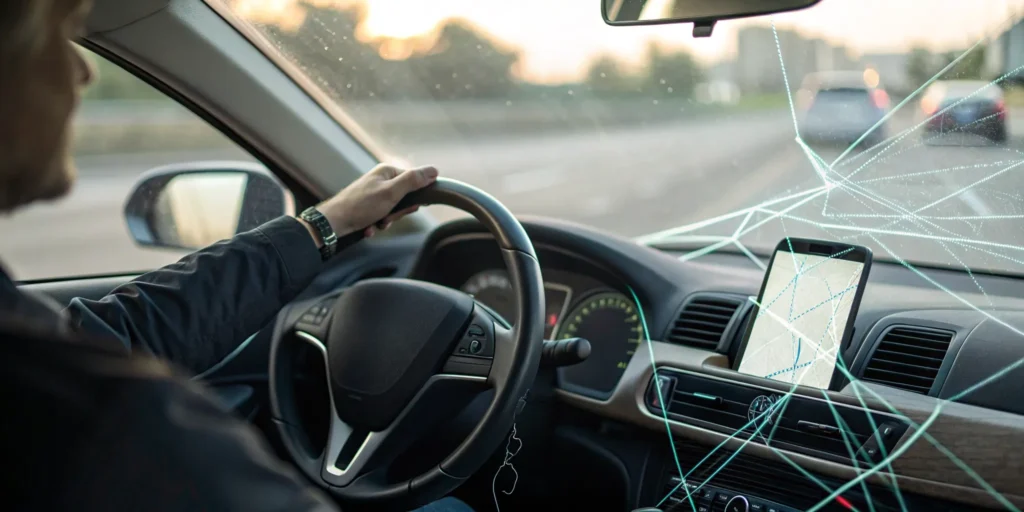
Technology has personalized everything from our movie nights to our workout plans. So, why is your car insurance still stuck in the past? A usage-based insurance program brings that same custom-fit approach to your auto policy. Instead of lumping you in with everyone else, it uses data from your car or smartphone to get a real picture of your driving. This means your safe habits—like smooth braking and sticking to the speed limit—can finally earn you the discounts you deserve. It’s a simple shift: you pay based on how you drive, not on statistics. We’ll explore how it all works and what you need to consider.
Key Takeaways
- Your driving habits directly influence your rate: UBI programs use technology to track your real-world driving, meaning your safe habits like smooth braking and low mileage can lead to a more personalized and potentially lower premium.
- UBI involves a trade-off between data and discounts: You agree to share your driving information in exchange for a potentially lower rate, so it’s crucial to understand that some programs may increase your premium if the data shows risky driving patterns.
- Find the right program for your lifestyle: Since UBI programs vary, compare what each one tracks and how discounts are calculated to find one that rewards your specific driving style, whether you’re a low-mileage commuter or a careful city driver.
What is Usage-Based Insurance (UBI)?
If you’ve ever felt like your car insurance rate doesn’t quite match your careful driving habits, usage-based insurance might be for you. Often called UBI, this type of policy helps determine your premium based on how you drive, how much you drive, and when you’re on the road. It’s a more personalized approach that gives you a degree of control over what you pay. Instead of relying only on traditional factors, UBI programs use technology to get a clearer picture of your actual driving behavior, rewarding safer drivers with potential discounts.
The Rise of Telematics in Auto Insurance
The technology that makes usage-based insurance possible is called telematics. Think of it as a small assistant that observes your driving habits, usually through a small device you plug into your car or an app on your smartphone. According to the National Association of Insurance Commissioners (NAIC), these wireless devices transmit data about your driving in real time back to your insurance company. This direct line of communication allows insurers to create a more personalized pricing model. Instead of relying solely on broad statistics, they can see how you actually handle your vehicle, rewarding your safe habits with a rate that’s tailored just for you.
From Mileage Trackers to Modern Tech
The idea of tracking driving for insurance isn’t brand new, but the technology has come a long way. The first usage-based insurance programs were fairly simple. As the NAIC notes, early versions started by offering discounts based on how many miles you drove, using GPS systems to track the distance. While that was a good start, it was only a small piece of the puzzle. Today’s telematics systems are much more sophisticated. They can monitor a whole spectrum of driving behaviors, including your speed, how hard you brake, the sharpness of your turns, and even what time of day you’re usually on the road, giving a much more complete picture of your driving style.
How Common is UBI Today?
If you’re thinking UBI is a niche option, you might be surprised to learn how mainstream it has become. This approach to insurance is no longer a novelty; it’s a rapidly growing standard. The NAIC projected that by 2020, around 70 percent of all auto insurers would be using telematics in some form. With most new cars rolling off the assembly line already equipped with this technology, participating in these programs is more accessible than ever. This widespread adoption is great news for drivers, as it creates more opportunities to find a policy that truly fits. At Feld Insurance, we help our clients in Springfield and East Peoria sort through these modern programs to find the personalized solutions that reward their safe driving.
How UBI Differs From Your Current Policy
Traditional car insurance policies calculate your rate using a wide range of factors, including your age, where you live, your driving record, and even your credit score. While these details give insurers a general idea of risk, they don’t tell the whole story about how you personally handle your vehicle. UBI is different because it adds your real-world driving data into the mix. It combines those traditional risk factors with information collected through telematics technology to create a more accurate, real-time picture of your risk on the road. This means your good driving habits can directly translate into savings.
A Look at Traditional Insurance Rating Factors
Let’s pull back the curtain on what goes into a standard auto policy premium. Insurers have long used a set of traditional rating factors to predict risk. These include your age, location, the type of car you drive, your claims history, and in many states, your credit-based insurance score. Each piece of information helps them build a statistical profile to estimate the likelihood you’ll file a claim. For instance, living in a bustling area might result in a different rate than a quieter rural town. While these details provide a general risk assessment, they don’t capture the full picture of your personal driving habits. They’re based on broad averages, not on whether you’re a cautious driver who avoids late-night trips. This is exactly the gap that UBI aims to fill.
What Are the Different Types of UBI?
Not all UBI programs are the same. They generally fall into two main categories, so you can find one that best fits your lifestyle. The first is a driving-based model, which focuses on your habits behind the wheel, like your braking, acceleration, and the times of day you typically drive. The second is a mileage-based model, which is simpler and primarily tracks how many miles you drive. Some insurers, like American Family, even offer different programs that let you choose whether you want to be rewarded for driving safely or for driving less.
Pay-As-You-Drive (PAYD) and Distance-Based
If you work from home or your daily commute is just a few miles, a Pay-As-You-Drive (PAYD) program could be a great fit. This model is refreshingly straightforward: your insurance rate is directly tied to the number of miles you put on your car. It’s a distance-based approach that benefits anyone who drives less than the average person. Instead of paying a flat rate that assumes you’re constantly on the road, PAYD programs charge drivers based on how much they drive. This is perfect for retirees, city residents who rely on public transit, or anyone with a second car that mostly stays in the garage. It’s a simple and fair way to make sure your premium reflects your actual car usage.
Pay-How-You-Drive (PHYD)
On the other hand, maybe you drive a fair amount but consider yourself a very safe driver. That’s where Pay-How-You-Drive (PHYD) programs come in. This model is less concerned with your total mileage and more focused on your behavior behind the wheel. It uses telematics to monitor habits like hard braking, sudden acceleration, cornering speed, and even the time of day you’re driving. The idea is to reward safe driving habits with potential discounts. If you consistently avoid late-night trips and practice smooth, defensive driving, a PHYD program can help you earn a lower rate that reflects your skill and caution on the road, giving you more control over your premium.
The Tech That Tracks Your Driving
So, how does your car report back to your insurance company? The magic behind UBI is a technology called telematics. This system typically uses a small device you plug into your car or an app on your smartphone to gather data. It tracks specific driving behaviors, such as hard braking, rapid acceleration, your speed, and how you handle turns. Some apps can even detect phone use while driving. This information is then used to create a driving score, which your insurer uses to calculate potential discounts. While it involves sharing data, it’s the key to getting a rate that truly reflects you as a driver.
How Does Usage-Based Insurance Work?
So, how does an insurance company actually know if you’re a safe driver? It’s simpler than you might think. Usage-based insurance programs use technology to gather information about your driving habits, creating a personalized picture of your risk on the road. This data is then used to help determine your premium. Instead of relying solely on traditional factors like your age and driving record, UBI adds your real-world driving behavior into the mix. The entire process is designed to be straightforward, giving you a chance to show your insurer that you deserve a better rate. Let’s break down how it all comes together.
Apps vs. Plug-ins: How They Track Your Driving
Insurance companies typically track your driving in one of two ways: through a smartphone app or a small device that plugs into your car’s onboard diagnostic (OBD-II) port. Both methods collect data over an initial monitoring period, which usually lasts a few months. The mobile app uses your phone’s sensors to record driving events, while the plug-in device, often called a telematics device, does the same directly from your vehicle. The goal is to gather enough information to create an accurate snapshot of your typical driving style. This data helps your insurer understand how you handle your car day-to-day, from short trips to the grocery store to your daily commute.
What Driving Habits Affect Your Premium?
Insurers focus on specific behaviors that are strong indicators of a safe driver. While every program is slightly different, they generally evaluate a core set of habits. Your insurer will look at how hard you brake, how quickly you accelerate, and your average speed. They also consider the times of day you drive, since late-night trips can be riskier, and the total number of miles you log. Some of the most advanced programs can even detect phone use while the car is in motion. By focusing on these key metrics, the program builds a profile that reflects your safety and attentiveness behind the wheel.
Key Data Points Insurers Monitor
When you enroll in a UBI program, the technology focuses on a few key behaviors to create a personalized picture of your driving style. The most common data points include hard braking, sudden acceleration, and cornering, as these can indicate aggressive or distracted driving. Your speed is also monitored, not just in relation to the speed limit, but also how smoothly you maintain it. The total miles you drive and the time of day you’re on the road are also important factors. This information, gathered through a smartphone app or a small device plugged into your car, helps insurers move beyond general statistics and base your rate on your individual habits behind the wheel.
The Impact of Late-Night Driving
You might wonder why it matters when you drive. Insurers pay close attention to late-night hours, typically between midnight and 4 a.m., because this is statistically the riskiest time to be on the road. Factors like reduced visibility, a higher chance of encountering tired or impaired drivers, and fewer witnesses contribute to this increased risk. While a one-off late drive home from a concert won’t tank your score, a consistent pattern of late-night driving can be one of the strong indicators that influences your premium. Understanding how these habits are viewed can help you have a more productive conversation about your coverage options and find a policy that truly fits your lifestyle.
How Insurers Calculate Your UBI Discount
After the initial monitoring period, your insurance company analyzes all the collected data to calculate a driving score. This score is what directly influences your rate. If your habits demonstrate that you are a consistent, safe driver, you could qualify for a significant discount on your auto insurance premium. It’s a direct reward for your good driving. On the other hand, if the data shows patterns of risky behavior, like frequent speeding or hard braking, your rate could stay the same or even increase. The outcome is tied directly to the data, making your premium a more accurate reflection of your personal driving risk.
The Evolving Use of Driving Data
This shift toward using real-time driving data marks a significant evolution in how insurance works. For a long time, your rate was determined by broad statistics based on your age, location, and driving record. UBI changes the game by adding your personal driving habits to the equation. This approach is becoming more common because it allows insurers to associate costs with individual and current driving behaviors rather than just relying on past trends. It means your premium can be a truer reflection of your safety on the road, giving you more direct influence over what you pay for your auto insurance.
Is a Usage-Based Insurance Program Worth It?
Usage-based insurance programs can be a fantastic way to save money, but they aren’t the right fit for everyone. Like any financial decision, it’s smart to weigh the benefits against the drawbacks before you sign up. The biggest upside is the potential for a lower premium based on your actual driving. On the other hand, you’ll need to be comfortable sharing your driving data and aware that risky habits could increase your costs with some carriers. Let’s break down what you need to consider.
The Biggest Perk: Saving Money on Insurance
The most compelling reason to try a UBI program is the chance to lower your car insurance premium. Instead of relying only on traditional factors like your age and driving record, usage-based car insurance puts you in control of your rate. If you’re a safe, low-mileage driver who avoids late-night trips and sudden stops, you can be rewarded for those good habits. Many drivers see significant savings, often between 10% and 35%, and most insurance companies offer an immediate discount just for enrolling. This approach allows your insurance costs to more accurately reflect how you actually drive day-to-day.
Potential Savings: A Real-World Example
Let’s talk numbers, because that’s where UBI really gets interesting. The savings aren’t just a vague possibility; they can be substantial. Many drivers who consistently practice safe habits see their premiums drop by 10% to 35%. Think about what that could mean for your annual budget. Plus, many insurers offer an immediate discount of around 5% to 10% just for enrolling in the program, giving you savings right from the start. The idea is simple: your rate should be a fair reflection of your risk. If you’re a low-mileage driver who brakes smoothly and avoids late-night trips, a UBI program gives you the chance to prove it and be rewarded. It’s one of the most direct ways to control your car insurance rate.
Beyond the Discount: Other UBI Perks
While saving money is a huge motivator, the benefits of usage-based insurance don’t stop at your wallet. The same technology that monitors your driving for discounts can also provide other valuable perks that improve your driving experience and enhance your safety on the road. Because the telematics data gives a more accurate picture of risk, it opens the door for features that go beyond a simple premium reduction. From helping you become a more fuel-efficient driver to providing a safety net in an emergency, these added benefits offer real-world value and an extra layer of peace of mind every time you get behind the wheel.
Improved Fuel Economy
Have you ever noticed how much your driving style affects your gas mileage? The same habits that UBI programs reward—like smooth acceleration and gentle braking—are also the key to better fuel economy. When you avoid sudden stops and quick bursts of speed to improve your driving score, you’re also reducing your engine’s workload and, in turn, its fuel consumption. According to the National Association of Insurance Commissioners, this connection means you’ll likely improve your fuel economy. It’s a win-win: you save money on your insurance premium and at the gas pump, all by adopting a safer, more efficient driving style.
Faster Emergency Response
One of the most powerful, yet often overlooked, benefits of UBI technology is its potential to help in an emergency. The real-time tracking that monitors your driving can also serve as a crucial safety feature. Many telematics systems are equipped with crash detection capabilities. If you’re involved in a serious accident, the device or app can automatically send an alert to emergency services with your precise location. This can significantly accelerate response time, ensuring you get help as quickly as possible, even if you’re unable to make the call yourself. It’s an invaluable feature that provides an extra layer of security for you and your loved ones on the road.
What About Your Data Privacy?
To get these personalized rates, you have to agree to share your driving data, which is a major hesitation for many people. The telematics device or mobile app tracks detailed information, including your location, speed, braking habits, and the times of day you’re on the road. While insurance companies have robust security measures, there’s always a potential risk of a cyberattack that could compromise data. You have to decide if you’re comfortable with this trade-off. For some, the potential savings outweigh the privacy concerns, but for others, keeping their driving data private is the top priority.
The Risk: Could Your Rate Actually Increase?
While UBI programs are marketed as a way to save, a discount isn’t always guaranteed. If the data shows patterns of what the insurer considers risky driving, like frequent hard braking, rapid acceleration, or speeding, your rate could go up at renewal time. It’s important to know that not all programs handle this the same way. Some companies promise your rate will only go down or stay the same, but others will penalize unsafe driving with a higher premium. Before you commit, ask your insurance agent specifically how their program works. Understanding the rules upfront will help you avoid any unwelcome surprises.
How to Choose the Best Usage-Based Insurance Program
Once you decide to explore usage-based insurance, you’ll find that every company’s program is a little different. Choosing the right one comes down to understanding the details and matching them to your own driving habits. Think of it like picking any other type of insurance policy; you want the one that offers the best value for your specific situation. Some programs are more focused on how many miles you drive, while others place a heavy emphasis on avoiding things like hard braking or late-night trips.
Comparing UBI programs means looking beyond the advertised discount. You’ll want to dig into what data is collected, how that data is used to calculate your rate, and whether the program can penalize you for risky driving. It’s also smart to consider the user experience. Is the app easy to use? How transparent is the company about your driving score? Taking the time to ask these questions will help you find a program that not only saves you money but also feels fair and straightforward. At Feld Insurance, we believe in providing comprehensive coverage that fits your life, and that includes helping you understand all your options.
What to Look For in a UBI Program
When you’re comparing UBI programs, the first step is to understand what they track. Most insurers focus on a few key behaviors to build a picture of your driving style. They’ll typically look at how fast you drive, how quickly you accelerate, and how hard you brake. They also consider when you drive, as late-night hours can be riskier, and how many miles you cover. Some of the more advanced programs can even detect phone use while you’re behind the wheel. Knowing which factors a specific program weighs most heavily can help you decide if it’s a good match for your daily routine.
Important Questions to Ask Your Insurance Provider
Before you enroll in any UBI program, it’s essential to have a clear conversation with your insurance provider. This is your chance to understand exactly what you’re signing up for and ensure there are no surprises down the road. To make sure you have all the information you need, here are a few key questions to ask:
- What specific data do you track? Does it include my location and phone use, or just habits like braking and speed?
- Can my rate increase based on my driving data, or will it only go down or stay the same?
- Which driving behaviors have the biggest impact on my score?
- How is my personal data protected and secured?
- Is the tracking continuous, or does it end after an initial monitoring period?
Getting clear answers is the best way to feel confident in your choice. A trusted agent can walk you through the specifics of each program, so don’t hesitate to ask these questions directly.
How Do the Discounts Actually Work?
The main appeal of UBI is the potential for a discount, but it’s important to know how those savings are calculated. Many programs offer a small discount just for signing up. From there, your actual savings, which can range from 10% to 35%, will depend on your driving score over a set period. A crucial question to ask is whether the program can also increase your premium. While some insurers only use UBI to offer discounts, others may raise your rates if your driving habits are considered risky. Always read the fine print to understand both the potential rewards and the risks.
Match Your Driving Style to the Right Program
The best UBI program for you is one that aligns with your natural driving habits. If you’re a cautious driver with a short commute who avoids peak traffic, you’re an ideal candidate to save money. People who work from home or rarely drive long distances also stand to benefit. On the other hand, if your job requires you to be on the road during busy hours, or if you tend to brake suddenly in city traffic, you might not see significant savings. Be honest about your driving style to determine if a UBI program is the right choice. If you’re unsure, we’re always here to help you figure it out.
Usage-Based Insurance Myths, Busted
Usage-based insurance programs are becoming more common, but with any new technology, there’s a lot of chatter and some confusion. You might have heard things that make you hesitant or, on the other hand, sound a little too good to be true. It’s time to clear the air and separate the myths from reality. Understanding how these programs actually work is the first step in deciding if one is a good fit for you and your family.
At Feld Insurance, we believe in giving you straightforward information so you can feel confident in your choices. Let’s walk through some of the most common myths about usage-based insurance and get to the bottom of what you can really expect.
Myth: You’re Guaranteed to Save Money
This is one of the most persistent myths about UBI. While the main appeal of these programs is the potential to save money, a discount isn’t automatic just for signing up. Your rate is directly tied to your driving habits. If the data shows you consistently drive safely by avoiding things like hard braking, rapid acceleration, and late-night trips, you have a great chance of earning a lower premium. However, if your driving habits are considered high-risk, your rate could stay the same or even increase with some carriers. Think of it less as a guaranteed coupon and more as a way to get a personalized rate that truly reflects how you drive.
Myth: Your Personal Data Isn’t Safe
It’s completely valid to be concerned about privacy. After all, UBI programs work by collecting data about your driving. These programs track metrics like mileage, speed, braking patterns, and the time of day you drive, but they aren’t monitoring your conversations or tracking your exact location for unrelated purposes. Reputable insurance companies have strict privacy policies that outline exactly what data is collected and how it’s used. Before enrolling, it’s always a good idea to review the program’s terms and understand how the insurer handles your personal information. This transparency helps ensure you’re comfortable with the trade-off between data sharing and a potentially lower premium.
Myth: You Have to Be a Perfect Driver
You don’t need a flawless driving record to benefit from a UBI program. These programs are designed to reward consistently safe drivers, not just those who have never had a single driving mishap. If you’re a mindful driver who generally follows the speed limit, avoids distracted driving, and brakes smoothly, you’re a great candidate. The goal is to show a pattern of low-risk behavior. On the other hand, drivers who frequently speed or brake hard may not see a benefit. UBI is about rewarding your everyday safe habits, not demanding perfection on the road. It gives you the chance to let your good driving speak for itself.
Is a UBI Program Right for You?
Deciding whether to switch to a usage-based insurance program comes down to your personal driving style and comfort level. While the potential for savings is appealing, it’s not the right fit for everyone. The key is to honestly assess your habits behind the wheel and understand what these programs are really looking for. Think of it as a partnership: you agree to share your driving data, and in return, your insurer may offer a rate that more accurately reflects your risk on the road. Before you make the switch, let’s walk through a few key considerations to help you determine if a UBI program aligns with your life.
Take an Honest Look at Your Driving
The foundation of any UBI program is your behavior on the road. These programs set your car insurance price based on how you drive, how much you drive, and when you drive. If you’re someone who consistently avoids hard braking, sudden acceleration, and late-night trips, you’re likely a great candidate. Take a moment to think about your typical commute or errands. Do you generally stick to the speed limit? Are you a low-mileage driver? If you can confidently say you practice safe driving habits, you may qualify for some significant discounts. Just remember, this is a two-way street; some programs might raise your rates if your driving data shows consistent risk factors.
When Is Traditional Insurance the Better Choice?
Usage-based insurance isn’t a one-size-fits-all solution. If you have an aggressive driving style, frequently find yourself in heavy stop-and-go traffic, or simply aren’t comfortable with your habits being tracked, UBI might not be for you. For example, if your daily commute through Springfield involves a lot of sudden stops, the telematics might interpret that as hard braking, which could negatively impact your score. Not everyone will save money with UBI, and if you tend to slam on the brakes or speed up quickly, your insurance cost could actually increase. In these cases, a traditional insurance policy that relies on more conventional factors might be the more predictable and cost-effective choice.
Your Checklist for Choosing the Right Program
If you’ve decided UBI is worth exploring, the next step is finding the right program. Insurers offer different models; some focus more on total miles driven, while others weigh driving behaviors like braking and speed more heavily. This flexibility allows you to find a program that lets you personalize your car insurance rate based on your specific strengths as a driver. The most important piece of advice here is to read the fine print. Before committing, always check to see if a program can increase your rates based on your driving data. Understanding the full terms will help you make an informed decision and avoid any surprises down the road.
Related Articles
- The Ultimate Guide to Cheap Car Insurance
- Insurance Policy 101: A Simple Guide for Beginners
- Get a Better Car Insurance Quote: A Simple Guide
Frequently Asked Questions
Will one bad drive, like a sudden stop to avoid an accident, hurt my score? Not usually. Insurance companies understand that real-world driving isn’t perfect and that sometimes a hard brake is necessary for safety. These programs are designed to look for consistent patterns over time, not to penalize you for a single, isolated event. Your score is based on your overall driving habits during the monitoring period, so one unusual trip is unlikely to have a major impact.
How long does the insurance company track my driving? This varies between insurance providers. Most programs have an initial review period, which could last anywhere from 90 days to a full six-month policy term. During this time, the app or device gathers data to establish your driving score. After this period, some companies will apply your earned discount and stop active monitoring, while others may continue to track your driving to adjust your rate at each renewal. It’s a great question to ask your agent before you sign up.
What happens if I don’t like the program after I start? Can I opt out? Yes, you can typically opt out of a UBI program if you decide it isn’t a good fit for you. If you cancel, you will likely lose any initial discount you received for enrolling. Your premium would then be recalculated based on traditional factors, just like a standard policy. The process is usually straightforward, but it’s always best to confirm the specific terms with your insurer.
Besides saving money, are there any other benefits to using a UBI program? Absolutely. Many UBI apps provide direct feedback on your driving habits, which can help you become a more aware and safer driver. Seeing data on your braking or acceleration can highlight areas for improvement you might not have noticed otherwise. Some advanced programs also offer extra features, such as trip logs, vehicle diagnostics, or even automatic crash detection that can alert emergency services.
Will my insurance company know exactly where I am at all times? This is a common and completely valid concern. While the technology does use location data to track things like mileage and driving routes, the primary focus is on your driving behaviors, not your specific destinations. Reputable insurers have strict privacy policies that govern how your data is used and protected. They are interested in identifying risk patterns (like speeding or hard braking), not in tracking your personal errands.