

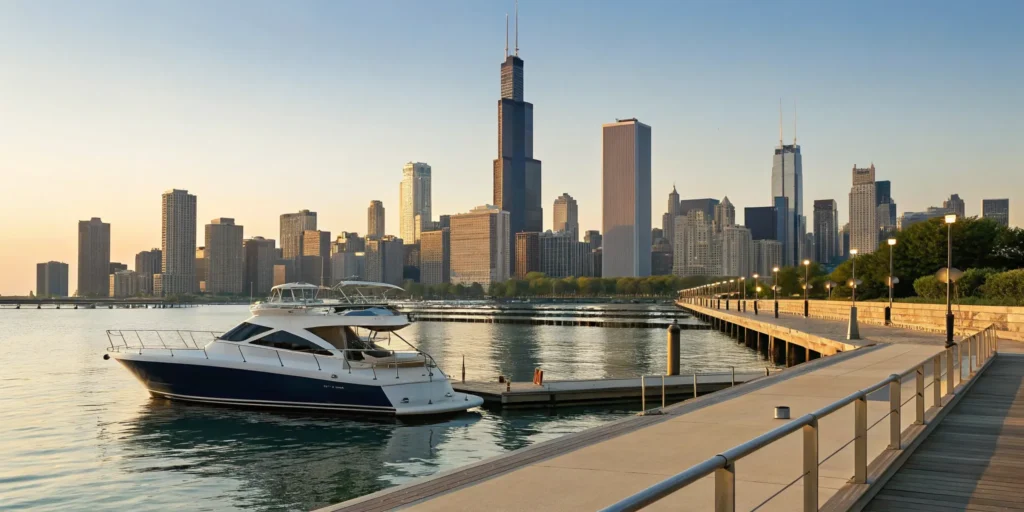
Getting your boat ready for a season on Lake Springfield is an exciting time. You check the engine, stock the cooler, and plan your first trip. But what about protecting your investment? While Illinois law doesn’t always require boat insurance, that single fact can be misleading. In reality, most marinas won’t let you dock without liability coverage, and your lender will certainly require a policy if you have a loan. This guide cuts through the confusion surrounding boat insurance Illinois. We’ll cover the practical requirements you’ll face and the essential coverages that provide real peace of mind.
Key Takeaways
- Insurance is a practical necessity: Even though Illinois law doesn’t require it for every boat, most marinas and lenders do. You’ll likely need proof of insurance to dock, store, or finance your vessel.
- Build a policy that protects everything: A comprehensive plan goes beyond just your boat. Ensure your policy includes liability for others, physical damage coverage for your vessel, and protection for your personal gear and passengers.
- Take proactive steps to lower your premium: You can reduce your insurance costs by completing a boating safety course, bundling your policy with your home or auto insurance, and equipping your boat with safety gear.
What’s Boat Insurance and Why Do You Need It in Illinois?
Think of boat insurance as a financial life jacket for your watercraft. It’s a specific type of policy designed to protect you, your boat, and others from the unexpected. While Illinois law doesn’t require every boater to carry insurance, going without it is a significant risk. Many marinas and lenders will require you to have coverage before you can dock or finance your boat. More importantly, a good policy protects your investment and your savings from the costs of accidents, theft, or damage. It’s about making sure a mishap on the water doesn’t sink you financially.
How Insurance Protects Your Wallet from Boating Mishaps
A perfect day on the Illinois River can change in an instant. A sudden storm can cause damage, an unseen object can damage your hull, or a simple mistake can lead to an accident involving another person. Without insurance, you’re personally responsible for covering repairs, medical bills, and legal fees. Boat insurance steps in to handle these costs, protecting you from potentially devastating expenses. Having the right comprehensive coverage means you can handle these situations without draining your savings, allowing you to get back on the water sooner.
Are These Common Boat Insurance Myths Costing You?
Let’s clear up a few common misconceptions about boat insurance. First, just because it isn’t always legally required doesn’t mean it’s pointless. It’s your primary defense against major financial loss. Second, don’t assume your boat is safe just because it’s in storage for the winter. Insurance protects against theft, fire, and other damage that can happen off-season. Finally, your homeowner’s policy is not a substitute for boat insurance. Most home policies offer very limited, if any, coverage for watercraft, leaving you exposed if you rely on it alone.
Boat with Confidence on Illinois Waterways
The best part of owning a boat is the freedom and fun it provides. The right insurance policy gives you the confidence to enjoy every moment without worrying about the “what ifs.” Knowing you’re protected allows you to relax and make memories with family and friends on Lake Springfield or the Peoria Lakes. It’s about peace of mind. If you’re ready to explore your options and find a policy that fits your needs, our team is here to help. Feel free to get in touch with us for a personalized quote.
Is Boat Insurance Legally Required in Illinois?
When you’re getting ready to enjoy a day on Lake Springfield or the Illinois River, the last thing you want to worry about is legal trouble. So, let’s talk about boat insurance requirements in Illinois. While the state law might surprise you, the practical reality of owning and operating a boat often means that having a good policy isn’t just a smart idea, it’s a necessity.
Understanding the difference between legal mandates and practical requirements is key to making sure you’re properly protected. Even if the state doesn’t force you to have insurance, other organizations will. It’s all about protecting their investment and their property, and ultimately, it helps protect you, too. Let’s break down what you need to know before you head out on the water.
Beyond the Law: When You’re Required to Have Coverage
Let’s get straight to the point: the state of Illinois does not legally require you to carry boat insurance. Unlike car insurance, there isn’t a state law that mandates a minimum level of coverage for your personal watercraft. However, that’s not the end of the story. In practice, you will almost certainly need insurance to operate your boat. Most marinas will not let you dock without proof of liability coverage, and if you have a loan on your boat, your lender will require a policy to protect their investment. So, while you won’t get a ticket from the state for being uninsured, you may not be able to use or finance your boat without it.
Will Your Lender or Marina Require Insurance?
If you financed your boat, your lender has a significant financial stake in it until the loan is paid off. To protect that asset, they will almost always require you to carry comprehensive and collision coverage. This ensures that if the boat is damaged or stolen, their investment is covered. Similarly, marinas require proof of liability insurance before they will rent you a slip. This protects the marina’s property and the other boats docked there from any damage you might cause. Think of it as their way of ensuring that a simple docking mishap doesn’t turn into a massive financial and legal headache for everyone involved.
What Happens If You Boat Without Insurance?
Even if you own your boat outright and dock it on your own property, hitting the water without insurance is a major financial risk. An accident can happen in seconds, and the costs can be staggering. Without liability coverage, you would be personally responsible for any injuries or property damage you cause to others. And without protection for your own boat, you could lose your entire investment from theft, vandalism, or a storm. A solid boat insurance policy is what stands between you and a potential financial disaster, giving you the peace of mind to truly enjoy your time on the water.
Illinois Boating Laws You Need to Know
Beyond insurance, being a responsible boat owner in Illinois means knowing the rules of the water. State laws are in place to keep everyone safe and ensure that all vessels are properly accounted for. Think of these regulations as the official handbook for boating—they cover everything from how your boat should be registered to the safety equipment you need on board. Following them isn’t just about avoiding a fine; it’s about contributing to a safe and enjoyable environment for everyone out on the lake or river. It’s a key piece of the puzzle, right alongside having a solid insurance policy to protect your investment.
This might seem like a lot to remember, but the core requirements are straightforward. The most important ones involve your boat’s official paperwork. Just like your car needs a title and registration to be legally on the road, your boat needs its own set of documents to be legally on the water. Understanding these requirements is the first step to a stress-free boating season. Let’s go over the essential documents you’ll need to have in order before you cast off.
Registration, Title, and Sticker Requirements
In Illinois, your boat needs three key pieces of identification to be legal: a Certificate of Number (which is your registration), a Certificate of Title, and current expiration stickers. It’s a good idea to handle all of this well before boating season kicks off. Your registration is valid for three years and always expires on September 30th, so be sure to mark your calendar. You can find all the forms and details you need to register your watercraft on the Illinois Department of Natural Resources website. Getting this paperwork sorted out early means you won’t have any last-minute delays keeping you from the water.
Keeping Proof of Registration Onboard
Once you have your Certificate of Number, don’t just file it away at home. Illinois law requires you to have this document on board with you at all times while you’re operating the boat. Think of it like your driver’s license—if a law enforcement officer from the IDNR or local police asks to see it, you need to be able to produce it. The easiest way to comply is to keep it in a waterproof bag or compartment with your other essential items. This simple habit ensures you’re always prepared and can avoid an unnecessary citation, letting you focus on enjoying your day.
What Does Boat Insurance Actually Cover?
Think of boat insurance not as a single item, but as a bundle of different coverages designed to protect you, your passengers, and your vessel. Understanding what each piece of coverage does is the first step toward building a policy that fits your specific needs. We’ll look at the three core components of a typical boat policy: liability, physical damage, and coverage for you and your belongings. Getting familiar with these will help you have a more productive conversation when you’re ready to find the right insurance solutions for your boat.
Protecting Others (and Yourself) with Liability Coverage
Accidents happen, even to the most careful boaters. Liability coverage is your financial safety net if you’re found at fault for an incident that injures someone or damages their property. Imagine you accidentally bump another boat at the marina or a guest slips and gets hurt on your deck. This is where liability coverage steps in. It helps pay for the other person’s repair bills or medical expenses. Crucially, it also covers the associated legal fees if the situation leads to a lawsuit, protecting your personal assets from a potentially costly legal battle.
How to Protect Your Boat from Damage and Theft
While liability covers others, what about protecting your own boat? That’s the job of hull and comprehensive coverage. This part of your policy pays for repairs or replacement if your boat itself is damaged. It typically covers a wide range of non-collision incidents that are often out of your control, like theft, vandalism, fire, or damage from a severe weather event. This coverage is essential for safeguarding your investment against the unexpected, ensuring a mishap doesn’t mean the end of your time on the water. A good policy gives you peace of mind both on and off the lake.
Collision vs. Comprehensive Coverage
When you’re looking at physical damage protection for your boat, it’s usually broken down into two main categories: collision and comprehensive. Collision coverage is exactly what it sounds like—it pays for repairs if your boat is damaged in a collision with another boat or an object, like a dock or a submerged log. Comprehensive coverage, on the other hand, is for non-collision events. This is your protection against things like theft, vandalism, fire, or damage from a storm or falling tree branch. While they cover different types of incidents, both are key to a truly well-rounded policy. Having both collision and comprehensive coverage ensures your investment is protected from almost any physical threat, giving you the confidence to enjoy your time on the water. It’s a core part of the complete protection we help our clients build.
Covering Your Gear, Your Guests, and Yourself
A boat policy can also extend protection to you, your passengers, and your stuff. Medical payments coverage is a great feature that helps pay for medical bills if you or anyone on your boat is injured in an accident, regardless of who was at fault. It ensures immediate care is covered without a lengthy debate over liability. Additionally, personal property coverage helps replace items you bring on board, like expensive fishing gear or electronics. When you work with an agent who provides trusted guidance, they can help you make sure your policy limits are high enough to cover your valuables.
Specialized Coverage Options for Boaters
Beyond the core protections, you can tailor your boat insurance policy with specialized add-ons that address the unique risks of life on the water. Think of these as extra layers of security designed for specific situations, from a dead battery in the middle of the lake to an accident with an uninsured boater. These options allow you to build a truly comprehensive plan that matches how you use your boat. Exploring these coverages helps ensure there are no gaps in your protection, giving you the confidence to handle whatever comes your way. Let’s look at some of the most valuable options available.
Uninsured/Underinsured Boater Coverage
You can be the safest captain on the water, but you can’t control the actions of others. Uninsured/underinsured boater coverage protects you if you’re involved in an accident caused by another boater who has little or no liability insurance. If they can’t pay for your medical bills or repairs to your boat, this coverage steps in to cover the costs. It’s a critical safeguard that ensures your finances aren’t jeopardized by someone else’s lack of responsibility. Without it, you could be left paying for everything out of your own pocket, even when the accident wasn’t your fault.
On-Water Towing and Assistance
Breaking down on the water is more than just an inconvenience; it can be a stressful and expensive situation. On-water towing and assistance coverage is like roadside assistance for your boat. If you run out of fuel, have a dead battery, or experience an engine failure, this optional service helps cover the cost of a tow back to the nearest marina or repair facility. Having this protection means you won’t be stuck with a surprisingly large bill for a simple tow. It provides peace of mind, knowing that help is just a phone call away if you find yourself stranded.
Wreckage Removal and Fuel Spill Liability
If your boat sinks or is severely damaged, you are often legally responsible for the aftermath. Wreckage removal coverage pays for the costs associated with recovering your boat from the water, which can be a complex and expensive process. Similarly, fuel spill liability covers the cleanup costs if your boat leaks fuel or oil into the water, helping you comply with environmental regulations. These situations can lead to enormous expenses and potential fines, but having the right insurance solutions in place protects you from these significant financial burdens and helps you be a responsible boat owner.
Watersports Liability Coverage
If you love towing friends and family on tubes, skis, or wakeboards, watersports liability coverage is a must-have. While your standard liability policy offers protection, this specialized add-on provides an extra layer of coverage for the unique risks associated with these high-energy activities. It helps pay for medical expenses if a guest is injured while participating in a watersport behind your boat. Adding this to your policy ensures that a fun day on the lake doesn’t turn into a financial nightmare if an accident happens, allowing everyone to enjoy the thrill with greater peace of mind.
Mechanical Breakdown and Trailer Coverage
Two often-overlooked areas of protection are your boat’s motor and its trailer. Mechanical breakdown coverage helps pay to repair or replace vital parts of your motor if they fail unexpectedly due to a mechanical issue, not from normal wear and tear. Think of it as an extended warranty for your engine. Additionally, while your auto insurance may cover liability while you’re towing, it likely won’t cover physical damage to the trailer itself. Boat trailer coverage fills this gap, paying to repair or replace your trailer if it’s damaged in an accident or stolen, ensuring you can always get your boat to and from the water.
How Much Does Boat Insurance Cost in Illinois?
One of the first questions on every boat owner’s mind is, “How much is this going to cost?” It’s a fair question, but the answer isn’t a simple, one-size-fits-all number. The price of boat insurance in Illinois can vary quite a bit because it’s tailored to you, your boat, and how you use it. Think of it like car insurance; a sports car driven daily will have a different premium than a sedan used for weekend errands. The same logic applies to your watercraft.
While we can look at state averages to get a general idea, your final premium will depend on a unique mix of factors. These include everything from the size and horsepower of your boat to where you store it during the off-season. Your personal boating experience also plays a significant role. The best way to get a clear picture of what you’ll pay is to get a quote based on your specific situation. Our team can walk you through the options and find a policy that fits your needs and budget, giving you the peace of mind you deserve on the water.
What’s the Average Cost for Illinois Boaters?
To give you a starting point, the average cost for boat insurance in Illinois is around $263 per year. It’s helpful to see this number as a baseline, not a guarantee. Some boaters will pay less, while others, particularly those with larger or more powerful boats, will pay more. This average gives you a ballpark figure to consider as you budget for your boating season. Remember, this cost covers essential financial protection that could save you thousands in the event of an accident, theft, or damage, making it a worthwhile part of your annual expenses.
A Rule of Thumb for Estimating Costs
If you’re looking for a quick way to estimate your potential insurance costs, a good rule of thumb is to budget about 1.5% of your boat’s total value. For example, if your boat is worth $30,000, you might expect to pay around $450 per year for insurance. However, this is just a starting point. The actual percentage can range anywhere from 1% to 5% based on several factors, including the size of your boat, its engine capacity, and the type of coverage you choose. This simple calculation gives you a realistic figure to work with as you explore your options and helps you understand how different insurance solutions are priced.
What Determines Your Boat Insurance Rate?
So, what exactly determines your final rate? Insurance providers look at several key factors to assess risk. The type, size, and power of your boat are major considerations; a small fishing boat will cost less to insure than a large speedboat. How you use your boat matters, too. A boat used for occasional recreational trips poses a different risk than one used for commercial purposes. Where you store your boat and your history of past claims also come into play, as they help build a complete picture of your unique situation. We can help you explore all your coverage options.
How Your Deductible Affects Your Premium
Your deductible is the amount of money you agree to pay out-of-pocket for a covered loss before your insurance kicks in to cover the rest. Think of it as a balancing act: when you choose a higher deductible, you’re taking on more of the initial financial risk yourself. In return, insurance companies typically offer you a lower premium. Conversely, a lower deductible means less out-of-pocket cost for you if you file a claim, but it usually results in a higher annual premium. This makes adjusting your deductible a practical way to manage your insurance costs, but it’s crucial to select an amount you’re genuinely comfortable paying if an unexpected event occurs.
How Your Boat Type and Boating History Impact Your Cost
Let’s get a little more specific. The details of your boat, like its age and the horsepower of its engine, directly impact your premium. A newer boat with a high-powered engine typically costs more to insure because it has a higher value and potential for risk. Your experience on the water is just as important. A boater with years of experience and a clean record is often seen as a lower risk, which can lead to more favorable rates. On the other hand, a history of insurance claims can signal a higher risk and may increase your premium.
What Are the Most Common Boat Insurance Claims in Illinois?
Spending a day on Lake Springfield or the Illinois River is one of the best parts of summer, but it’s wise to be aware of the risks. Knowing what kind of claims are most common can help you understand why having the right insurance policy is so important. It’s not just about protecting your boat as an asset; it’s about protecting your finances and your peace of mind when something unexpected happens. From sudden storms to busy holiday weekends on the water, being prepared is your best strategy.
Common Claims: Storm Damage, Collisions, and Theft
Illinois weather can be unpredictable. A calm afternoon can quickly turn into a scramble for safety as a severe thunderstorm rolls in. High winds, hail, and falling branches can cause significant damage, whether your boat is docked, on a lift, or out on the water. We also see claims for damage that happens during off-season storage. Beyond weather, theft is another serious concern. It’s not just about someone stealing the entire boat; it’s often the theft of expensive equipment like GPS units, fishing gear, or trolling motors. Without the right comprehensive coverage, you could be left paying for these costly losses yourself.
Understanding Risks from On-Water Accidents to Off-Season Storage
Accidents happen, even to the most careful boaters. Collisions with other vessels, docks, or submerged objects are some of the most frequent and expensive claims. If you’re found at fault for an accident that injures someone or damages their property, you could face a serious lawsuit. This is where liability coverage is crucial. In fact, Illinois law requires boaters to carry minimum liability coverage for this very reason. Beyond collisions, the seasonal nature of boating brings its own risks. Damage from improper winterization or discovering an issue after months in storage can lead to claims, though it’s important to remember that normal wear and tear is typically not covered by insurance.
How Can You Lower Your Boat Insurance Costs?
Owning a boat is a fantastic investment in your leisure time, but insurance can feel like just another bill. The good news is you have more control over your premium than you might think. Insurance providers reward responsible boat owners, and taking a few simple steps can lead to significant savings. By being proactive about safety and smart about your policies, you can keep your costs down without compromising on the protection you need for peace of mind on the water. Let’s look at some practical ways you can lower your boat insurance costs.
Easy Savings: Boater Safety Courses and Policy Bundles
One of the most direct ways to save is by completing an approved boating safety course. Insurers see this as a sign that you’re a lower-risk operator, and many offer a discount for it. Another easy win is bundling your policies. If you already have home or auto insurance, adding your boat policy with the same provider can unlock a multi-policy discount. It’s a simple way to get rewarded for your loyalty across all your insurance needs. You can also ask about potential savings for paying your premium in full for the year or for maintaining a claims-free record. These small discounts can really add up.
More Discounts: How Safety Gear and Storage Can Lower Your Rate
Insurance companies love to see that you’re taking steps to protect your boat. Equipping your vessel with safety gear like fire extinguishers, a GPS system, or reliable navigation lights can often trim your premium. In fact, these items can sometimes lower your cost by 5% to 10%. Where you keep your boat also matters. If you store your boat in a secure facility during the winter off-season, you may qualify for a layup discount. This reduces the risk of theft and weather damage, and your insurer will often pass those savings on to you. Be sure to mention these details when you request a quote.
Additional Discounts to Ask About
Beyond the standard discounts for safety courses and equipment, there are several other ways to save that you might not know about unless you ask. Insurance providers often have a menu of potential discounts available, but they aren’t always advertised front and center. Being a proactive and informed boat owner can make a real difference in your annual premium. It’s worth having a conversation with your agent about your specific situation, from how you prefer to pay your bill to your history as a customer. These details can unlock savings that add up over time, making your policy even more affordable.
Loyalty and Claims-Free Rewards
Insurance companies appreciate safe, long-term customers and often reward them for it. If you’ve been with the same provider for several years, ask if they offer a loyalty discount. Similarly, maintaining a claims-free record is one of the best ways to demonstrate that you’re a responsible boater. Many insurers will reduce your premium after you’ve gone a certain number of years without filing a claim. This is their way of thanking you for being a lower risk. Building a long-term relationship with an insurer you trust can lead to these kinds of perks, reflecting the peace of mind that comes from a solid partnership.
Paid-in-Full and Multi-Boat Savings
How you pay your premium can also lead to savings. If your budget allows, ask about a discount for paying your entire annual premium in one lump sum. This saves the insurer administrative costs, and they often pass a portion of those savings on to you. It’s a simple switch that can lower your overall cost. Additionally, if you own more than one watercraft, like a boat and a jet ski, insuring them together on the same policy can trigger a multi-boat discount. This works on the same principle as bundling your boat insurance with your other insurance solutions, rewarding you for bringing more business to one provider.
How to Choose the Right Boat Insurance Provider
Finding the right insurance provider is about more than just checking a box; it’s about finding a partner who understands your needs and can give you confidence every time you head out on the water. The best provider for you will offer the right blend of comprehensive coverage, fair pricing, and supportive customer service. It’s worth taking the time to explore your options to find a company you can rely on if you ever need to file a claim. Think of it as choosing a first mate for your financial security. You want someone knowledgeable, dependable, and ready to help you handle any situation, from minor mishaps at the dock to more serious incidents. Taking a thoughtful approach now ensures you can relax and enjoy your time on Illinois’ beautiful lakes and rivers, knowing you’re well-protected.
Don’t Just Get One Quote: How to Compare Policies
Your first step is to do a little comparison shopping. It’s a good idea to request quotes from a few different insurance providers to get a feel for the market. While cost is important, you’ll want to look beyond the price tag. Compare the coverage options, deductibles, and any exclusions listed in the policies. Does one offer more robust liability limits? Does another include coverage for your fishing gear or personal effects? Understanding the different types of boat insurance coverage available will help you make a true apples-to-apples comparison and choose a policy that genuinely meets your needs.
Do You Need a Marine Survey to Get a Quote?
You might hear the term “marine survey” and wonder if it’s a hurdle you’ll have to clear just to get a quote. The answer is: it depends. Many insurance companies require a professional inspection, especially if your boat is older—often over 10 years—or on the larger side. This survey gives the insurer a clear picture of your vessel’s condition, seaworthiness, and true value, which helps them write an accurate policy. However, it’s not a universal requirement for every boat or every insurer. Some companies may not ask for one, particularly for newer or smaller boats. The best approach is to ask upfront. When you work with an agent who provides trusted guidance, they can tell you exactly what’s needed for your specific boat, saving you time and potential headaches.
Should You Work with a Local Insurance Agent?
Instead of spending your weekend calling multiple companies, you can simplify the process by working with a local, independent agent. An independent agent isn’t tied to a single carrier. Instead, they can compare options from many insurers to find the best coverage and price for your specific boat and lifestyle. A local agent also brings invaluable knowledge of our Illinois waterways and the unique risks boaters face here. At Feld Insurance, we pride ourselves on providing that trusted guidance. We get to know you and your boating habits to recommend personalized insurance solutions that give you complete peace of mind, so you can focus on making memories on the water.
Common Mistakes to Avoid When Buying Boat Insurance
Choosing the right boat insurance is a big decision, and a few common missteps can leave you without the protection you thought you had. Knowing what to look for and what to avoid can save you from financial stress down the road. Let’s walk through some of the most frequent mistakes boat owners make so you can feel confident in your coverage.
Are You Underinsured? How to Avoid Common Coverage Gaps
It’s tempting to grab the first policy you find just to get it done, but this can lead to major headaches later. A common mistake is assuming your home insurance policy will cover your boat. While it might offer a tiny bit of protection, it almost never includes essentials like third-party liability, salvage costs, or theft from a marina. Specialist boat insurance is designed for the unique risks that come with owning a boat, ensuring you’re properly protected on and off the water. Even when your boat is stored for the season, a dedicated policy provides crucial protection against fire, theft, and accidental damage.
How to Spot Red Flags Before Choosing an Insurer
A low price doesn’t always mean a good deal. When you’re comparing policies, look out for red flags in the fine print. Some policies, for example, will limit where you can use your boat, which could be a problem if you plan to explore different Illinois waterways. Another thing to watch for is a generic, one-size-fits-all policy. Your boat has unique risks, and you need coverage that reflects that. Getting a policy from a provider that specializes in boat insurance often means you get better coverage for less. The best way to avoid these issues is to seek trusted guidance from an agent who can help you find a policy tailored to your vessel.
Related Articles
Frequently Asked Questions
Is my boat covered under my homeowner’s insurance policy? It’s a common question, but the answer is almost always no, not in any meaningful way. Most home insurance policies provide very limited coverage for watercraft, and it usually doesn’t include liability protection for accidents on the water. Relying on your home policy leaves you exposed to major financial risks, which is why a dedicated boat insurance policy is so important.
Do I still need insurance if my boat is paid off and I store it at home? Even if a lender or marina doesn’t require you to have it, going without insurance is a significant gamble. If you cause an accident, you are personally responsible for any injuries or property damage, which could put your savings and other assets at risk. A policy also protects your investment from theft, fire, or storm damage that can happen even when your boat is stored safely on your property.
Should I keep my boat insurance active during the winter? Yes, keeping your policy active year-round is a very smart move. Your boat is still vulnerable to risks like theft, vandalism, fire, or damage from a collapsing roof or heavy snow while it’s in storage. Many expensive claims happen during the off-season, and canceling your policy to save a few dollars could cost you your entire boat if something unexpected occurs.
What kind of information will I need to get an accurate quote? Getting a quote is a straightforward process. To make it as quick and accurate as possible, it helps to have some key details ready. This includes the year, make, and model of your boat, its length, and its engine horsepower. We’ll also want to know where you typically use and store it, a bit about your boating experience, and if you’ve completed any safety courses.
Does boat insurance cover things like my fishing gear or water skis? Yes, it can. This is usually covered under a part of the policy called personal effects coverage. This protection is designed for items that aren’t permanently attached to your boat, like expensive fishing equipment, electronics, or towable water toys. When we talk, we can make sure your policy has the right limits to cover the gear you bring on board.